
Lieferung heute & morgen

Qualitätsgarantie

Willkommens-Angebote freischalten: KOSTENLOSE Lieferung | Bis zu 80 % RABATT | Kostenlose 30-Tage-JoyPlus-Testphase
App herunterladen
The search for the right musical toy for a baby can quickly become overwhelming. The market offers a vast array of products, all promising to support your child's development and provide hours of entertainment. However, not every flashing, sound-making toy is a worthwhile purchase. Certain design features can even have the opposite effect, leading to frustration for both child and parent. This guide will help you avoid common purchasing pitfalls and make an informed decision.
Before we dive into recommendations, it's important to understand the three most common mistakes that lead to an unfortunate choice:
To avoid these pitfalls, you should check three crucial criteria before making a purchase. These will help you objectively assess the quality and utility of a musical toy.
The manufacturer's age recommendation is more than just a rough guideline. It indicates the developmental stage for which the toy was designed. For instance, a motor skills toy for a child aged 12 months and up is designed to encourage grasping, pressing, and exploring. Always look for the CE mark, which confirms that the product meets EU safety standards. Another important feature is a securely screwed battery compartment, which prevents toddlers from accessing the batteries. Materials should be explicitly declared as BPA-free and tested for harmful substances.
A good musical toy stimulates the senses without overwhelming them. Look for products with volume control or naturally softer sounds, like those found in a classic baby music box. Diverse textures, gentle light effects, and varied melodies foster curiosity and auditory perception. A toy that responds to the child's actions—for example, by making a sound when moved—teaches the principle of cause and effect.
An interactive toy for toddlers should offer more than just passive entertainment. Features that promote fine motor skills, hand-eye coordination, or logical thinking create lasting play value. A good example is a learning toy for ages 1 and up that introduces numbers, colours, or animal sounds. Toys that are part of an expandable system are particularly long-lasting. This allows new elements to be added to maintain the child's interest over a longer period.
Based on the criteria above, we have identified several products that are well-suited for different requirements and age groups.
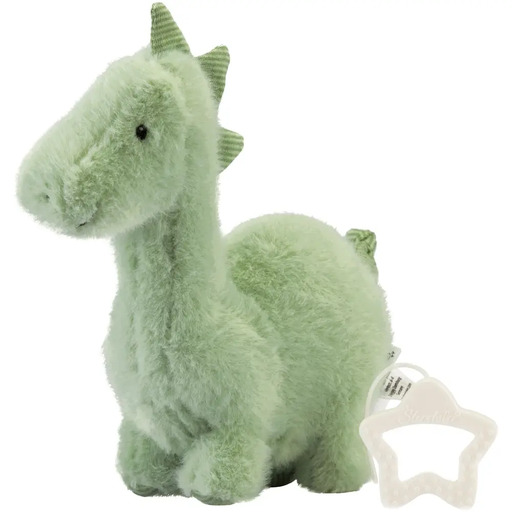
Why It's a Great Fit: Perfect for the very youngest. The music box is made from soft materials and plays a gentle melody ("Mozart's Lullaby"), which has a calming effect and can support a bedtime ritual. It's a classic and safe newborn gift.
It prevents overstimulation with a single, gentle melody and the absence of flashing lights. The focus is on tactile and auditory soothing.
The musical mechanism is removable via a zipper, making the plush figure machine-washable—a crucial advantage for hygiene.
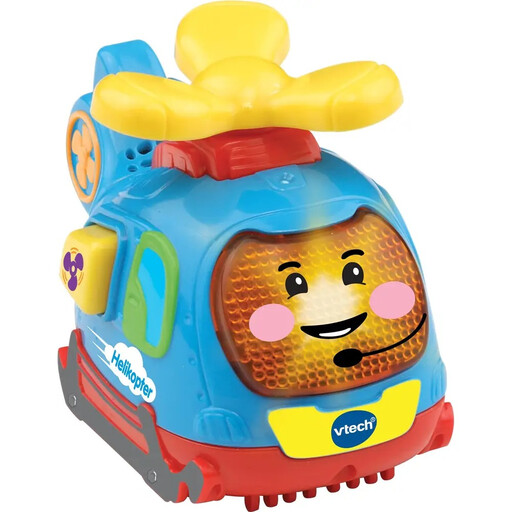
Why It's a Great Fit: This interactive vehicle is designed for toddlers who are beginning to explore their motor skills. It responds to movement and has buttons that play songs and phrases, which promotes an understanding of cause and effect.
It sidesteps the short-lived appeal trap by being compatible with other playsets in the "Toot-Toot Drivers" world. This allows the play experience to be constantly expanded, keeping it interesting.
Actively promotes motor skills by pushing the vehicle and pressing the buttons. The combination of songs, phrases, and sounds also supports language development.
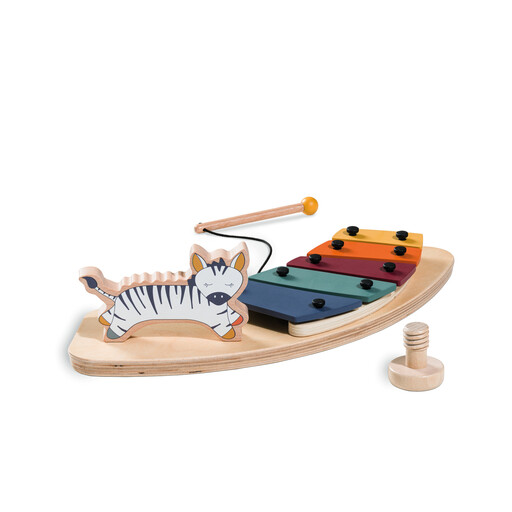
Why It's a Great Fit: This toy was specifically designed to attach to the play trays of hauck high chairs. It keeps the child meaningfully engaged while freeing up parents' hands, all while promoting musical and motor skills.
Solves the problem of limited use cases. It can be securely attached to the high chair so it won't fall off, but it can also be used on its own, making it portable.
Made from durable wood from FSC-certified forests. It is a battery-free, purely mechanical musical toy that trains hand-eye coordination and a sense of rhythm.
We have compiled a complete, up-to-date list of products that fully meet these strict selection criteria and UK safety regulations.
1. How do I safely clean musical toys for babies? Most plastic musical toys can be wiped down with a slightly damp cloth and mild soap. Never fully submerge electronic components in water. For plush toys with a music function, check if the musical mechanism is removable, as with the Sterntaler music box. If so, the plush cover can be machine-washed according to the care instructions.
2. From what age are musical toys beneficial? This largely depends on the type of toy. Simple, soft music boxes are suitable from birth for soothing. Interactive toys with buttons and more complex functions are generally intended for babies from around six months of age, who can already sit up independently and grasp objects with purpose. Always check the manufacturer's age recommendation on the packaging.
3. Are loud toys harmful to my baby's hearing? Toys with a very high, non-adjustable volume can be problematic for a baby's sensitive hearing. When buying, look for models with a volume control or those that naturally produce gentle tones. Toys sold in the UK must comply with legal noise limits, but a moderate volume is always preferable.