
Lieferung heute & morgen

Qualitätsgarantie

Willkommens-Angebote freischalten: KOSTENLOSE Lieferung | Bis zu 80 % RABATT | Kostenlose 30-Tage-JoyPlus-Testphase
App herunterladen
As a Joybuy Product Recommendation Officer, I see the daily challenges faced by renters, DIY enthusiasts, and decor lovers. A common problem is the desire to securely mount objects without permanently damaging walls or surfaces with drill holes or aggressive adhesives. This is precisely where flexible mounting solutions come in.
This article introduces how Nano Tape works and explains what to look for when making your selection. We also present a curated list of products designed for various applications around the home and workshop.
To find the right solution for your project, a few technical features are crucial. The following points will help you objectively evaluate the properties of adhesive tapes.
The holding power of an adhesive tape is one of its most important characteristics. Products labelled as extra-strong mounting tape are generally suitable for heavier objects. Adhesion is often determined by the material composition. Gel adhesive tape, which is made from an acrylic gel base, typically offers high initial tack and excellent load distribution. Always check the manufacturer's specifications for maximum load capacity and the surfaces for which the tape is suitable (e.g., tile, wood, glass, metal).
A key advantage of modern adhesive tapes is the ability to remove them without a trace. A residue-free tape is particularly important for rental properties or delicate surfaces like painted wood or high-end furniture. Some products, especially reusable tape with a nano-gel base, can be cleaned with water and dried after use to restore their stickiness. This makes them a resource-friendly option for temporary fixtures.
Not every strong double-sided tape is suitable for every environment. For use in humid areas like bathrooms or kitchens, the tape should be water- and moisture-resistant. UV resistance is relevant if the tape is exposed to direct sunlight, such as on a window. The width and thickness of the tape also play a role: narrower tapes are ideal for delicate decorations, while wider tapes provide more stability for larger objects like mirrors or small shelves.
Based on the criteria mentioned, we have compiled a selection of products that meet different requirements for mounting and protection.

Why it stands out: This tape uses a combination of gel-acrylic and nanotechnology. This structure allows for strong adhesion while ensuring residue-free removal. Its standout feature is its reusability: after rinsing with water and air-drying, the tape can be used again.
Benefits:
Who it's for: Ideal for renters and decor enthusiasts who need a flexible solution for hanging pictures without drilling and want to reposition items frequently without damaging surfaces.
View Product: Art3d Nano Gel Tape
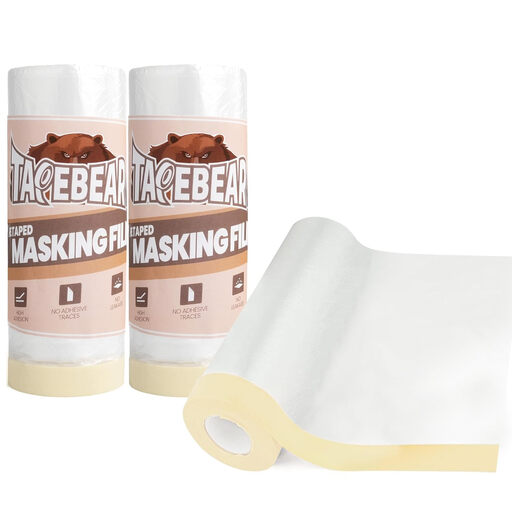
Why it stands out: This solution combines a tear-resistant masking film with a pre-attached adhesive tape. With a width of 140 cm per roll, it is perfect for quickly protecting large surfaces like furniture, floors, or vehicles during renovation and painting jobs.
Benefits:
Who it's for: A practical solution for DIYers and professionals who need to protect large surfaces efficiently and securely during renovation, painting, or construction projects.
View Product: TAPEBEAR Masking Film

Why it stands out: This duct tape offers high strength and flexibility with a thickness of 9 mil (0.23 mm) and a natural rubber-based adhesive. It is designed for demanding repair, bundling, and sealing tasks, yet can still be torn by hand.
Benefits:
Who it's for: An all-rounder for the workshop, home, and construction site. Suitable for quick repairs, bundling cables, sealing cracks, or other tasks that require a strong and resilient tape.
View Product: TAPEBEAR Duct Tape
The products featured cover common use cases. However, if you need a solution for a very specific purpose or wish to compare more alternatives, you can find additional options in our broader product category.
Explore Our Full Range of Adhesives
1. How much weight can Nano Tape hold? The load-bearing capacity of Nano Tape varies depending on the manufacturer, material thickness, and surface texture. Manufacturers typically specify a maximum load per unit of area (e.g., kilograms per square centimetre). For heavy objects, it is advisable to check the manufacturer's specifications carefully and use a larger adhesive area. Smooth, non-porous surfaces like glass, tile, or metal provide the best adhesion.
2. Can you use Nano Tape on wallpaper? Using Nano Tape on wallpaper, especially on paper or wood-chip types, is generally not recommended. The strong adhesion of the tape can damage the top layer of the wallpaper or even the underlying plaster upon removal. For such delicate surfaces, specialised, less aggressive adhesive solutions like adhesive nails for wallpaper are often the safer choice.
3. How do you remove Nano Tape without leaving residue? To remove Nano Tape, it should be peeled off the surface slowly and evenly. Gently twisting or wiggling the tape can help release the bond. Avoid yanking it abruptly, as this could damage the surface. If the adhesion is very strong, gently warming the tape with a hairdryer (on a low setting) can soften the adhesive and make removal easier.