
Lieferung heute & morgen

Qualitätsgarantie

Willkommens-Angebote freischalten: KOSTENLOSE Lieferung | Bis zu 80 % RABATT | Kostenlose 30-Tage-JoyPlus-Testphase
App herunterladen
A nappy bag for your pushchair should keep nappies, wet wipes, bottles and personal items neatly organised without weighing the pushchair down unnecessarily. In practice, however, several common buying assumptions can lead to poor decisions. A large bag isn't automatically well organised, water-repellent material isn't waterproof, and lots of compartments don't make up for a poor attachment system.
A large main compartment can seem practical at first glance. But if nappies, spare clothes and bottles are piled on top of each other, it takes far too long to get to what you need when changing. What makes more sense are clearly separated internal compartments, zip pockets for keys and your mobile phone, and an easily accessible pocket for wet wipes.
Not every baby bag fits securely on every handlebar. Look for adjustable clips, Velcro fastenings or attachment straps, and check that they are compatible with your pushchair. A bag should not be loaded so heavily that it could cause the pushchair to tip over. With some models, it's also sensible to remove the bag from the handlebar before lifting your child out.
A water-repellent nappy bag will generally protect the contents from light splashes and is often easier to wipe clean. However, this is not the same as being fully waterproof. For everyday life in the UK, easy-care surfaces and sealable compartments are often more important than a marketing claim without specific care instructions.
For short walks, a compact nappy bag with changing mat is often sufficient. A model weighing between 200 and 450 grams can be easily placed in the pushchair basket or attached to the handlebar. For day trips or travel, a larger capacity may be useful. As well as the external dimensions, check whether the bag actually fits into your pushchair's basket.
An integrated, fold-out changing mat provides a separate surface when you're out and about. It should open out fully and be cleanable with a damp cloth after use. This doesn't replace supervision: you should never leave your baby unattended during a nappy change. Soiled textiles should be stored separately from clean nappies, for example in a water-repellent internal pocket.
A nappy bag to wear cross-body is quick to hand for short trips. A nappy backpack distributes the weight across both shoulders and can be more comfortable for longer journeys. A nappy bag as a backpack also leaves your hands free, for example when getting in and out of the car or carrying a toddler.
Pay particular attention to:
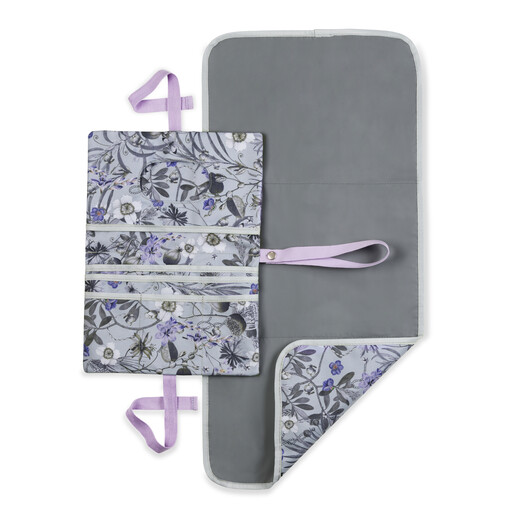
Why this product fits the profile: The compact bag, measuring 17 × 24 × 5 cm and weighing 200 g, is ideal for short trips where you only need the bare essentials for nappy changes.
The internal compartment for nappies and accessories, plus an external zip pocket, help with basic organisation. According to the product information, the water-repellent material can be wiped clean with a damp cloth.
Includes changing mat, lightweight design and can be attached to the pushchair with a carrying strap and press stud.
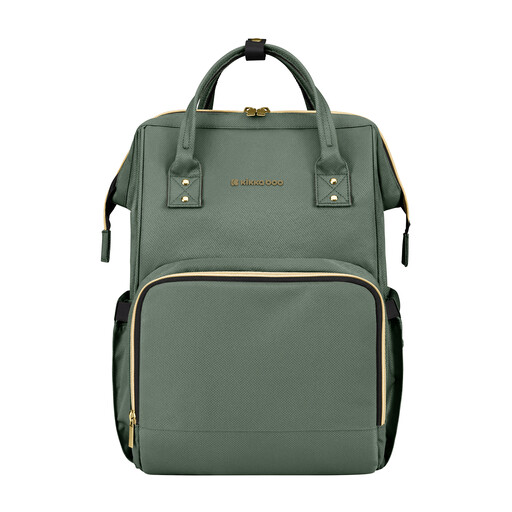
Why this product fits the profile: Measuring 18 × 32 × 41 cm and weighing 0.8 kg, with multiple carrying options, this mama bag is designed for carrying a full range of baby essentials during everyday use or on outings.
The wide opening with a metal frame makes it easy to see everything inside. Three insulated bottle pockets, a compartment for damp clothing and several organiser pockets keep different items separate.
Includes changing mat, pushchair clips and can be used as a handbag or backpack. The specifications state 100 % polyester as the material.

Why this product fits the profile: With a stated volume of 9 litres, this backpack is ideal for parents who need their hands free while out for a walk, travelling or carrying their child.
14 compartments, six of which have zips and one is for wet wipes, help reduce messy storage. The attachment straps are designed for a pushchair handlebar.
Can be worn as a shoulder bag, cross-body bag or handbag, and includes a changing mat. The PU leather material is described as water-repellent and easy to care for with a damp cloth.
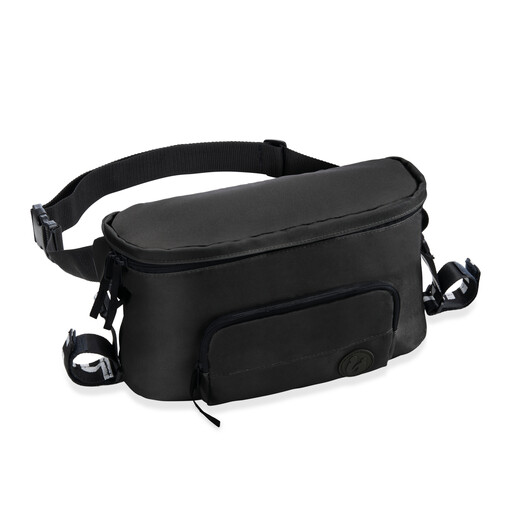
Why this product fits the profile: Measuring 17 × 11 × 32 cm and weighing 240 g, this **pushchair organiser** is designed for small items you need to hand, such as your mobile phone, keys, dummy or bottle.
Adjustable Velcro fastenings allow flexible attachment. Zips on the compartments keep the contents secure; the bag can also be worn on your body if needed.
2-in-1 use as an organiser or bag, plus machine-washable polyester at 40 °C according to the product information.
We've put together a complete, regularly updated list of products that fully meet these strict selection criteria and the safety regulations in force in the EU.
Only attach a nappy bag to the straps or clips designed for that purpose, and be mindful of your pushchair's weight limits. Heavy items should be placed as low as possible in the basket. Regularly check the stitching, zips and attachments. If you notice any visible damage, stop using the bag on your pushchair.
That depends on how much baby gear you need to carry and your pushchair model. For short trips, a compact organiser is often enough. If you also need to take spare clothes, several bottles and a changing mat, you'll probably need a larger baby bag or a nappy backpack. The key factors are compatible attachments, the bag's own weight and a clear internal layout.
Permanent attachment is possible as long as the bag is securely fastened and not overloaded. Check the clips and straps regularly. Remove the bag before lifting your child out if the product's safety instructions recommend this, or if the weight distribution could affect the pushchair's stability.
Empty the bag regularly, wipe wipe-clean surfaces with a damp cloth and follow the care instructions. Damp clothing should be transported in a dedicated compartment or a separate bag. A changing mat should be checked after every use and cleaned if it becomes soiled.