People who regularly transfer scans
If you regularly move large batches of scanned files, consider the NAS connection alongside the other components of your network.


If you regularly transfer large batches of scans, compare the NAS network port with the entire connection between it and your computer. If you mainly need to store files that you rarely access, a two-bay device with a 1-GbE connection may be enough. Choose compatible drives and plan for a separate copy that you can restore from: a fast connection and a RAID mirror are no substitute for a backup.
If you regularly move large batches of scanned files, consider the NAS connection alongside the other components of your network.
If you need to be able to recover scans after deletion, a fault or an attack, plan for a separate backup and a tested way to restore your files. The Federal Office for Information Security recommends keeping backups separate and preparing for recovery.
If several devices need access to your scan archive, it’s important to keep files organised and assign access permissions appropriately.
First compare the entire transfer route, then consider your backup and sharing needs. Next, check which drives and backup destinations you’ll need for the system you have in mind.
| Buying consideration | What to check before buying | Who is it important to? |
|---|---|---|
| Transfer route and file speeds | NAS and computer connections, as well as the network equipment between them; the size and frequency of transfers. | If I regularly move large batches of scans, I check the entire network route rather than just the NAS port. Around 36% of consumers prioritise frequent file transfers. |
| Recoverability | A separate backup destination, regular backups and a practical, tested restore process. | If important scans need to be recoverable after a fault or attack, I plan for a copy that’s separate from the NAS. Around 29% of consumers prioritise being able to recover their document archives. |
| Shared storage and access permissions | The devices and shared folders you need; access permissions suited to the documents in question. | If several people or devices use the scans, I want to organise storage and access properly. Around 21% of consumers say shared scan storage is their main concern. |
| Complete system setup | What’s included with the enclosure, the full drive model number and NAS compatibility; plan for a separate backup destination too. | If I’m putting together a complete archive, I want to know which drives and backup components I’ll need. Around 14% of consumers prioritise having the right complete setup, including the drives. |
The connection specification describes the NAS, not the file transfer speeds you’ll actually achieve on your network.
Check the connections on the computers involved and the network equipment between them too. Choose a NAS to suit your everyday transfer needs.
A separate copy protects against different faults and attack scenarios from a drive configuration within the same NAS.
Plan for an additional backup destination and test that you can restore your scans from it.
A separate backup destination and regular maintenance are also part of the ongoing running costs.
According to QNAP, the TS-264-8G does not include hard drives. You’ll need to plan for compatible drives separately before you can use it.
Check what’s included with the specific enclosure, along with the full model number and compatibility information for each drive.
Depending on your setup, you may also need compatible internal drives and a separate backup destination.
The TS-264-8G is a two-bay NAS for buyers comparing connections and frequent transfers.
The DRIVESTOR 2 Pro Gen2 AS3302T v2 is a two-bay option with a 2.5-GbE connection.
The DiskStation DS223 is a useful point of comparison for centralised storage and file sharing if a faster network connection isn’t a priority.
WD Red and WD Red Plus are internal drive ranges for buyers who already have a NAS enclosure or want to choose drives separately.
N300 is a range of internal 3.5-inch hard drives for buyers choosing a NAS drive separately.
The products below include NAS enclosures for frequent transfers, as well as internal drives for an existing, compatible NAS.
 Image unavailable
A relevant NAS enclosure for frequent transfers if the rest of your network can also make use of its connections.
Four drive bays; two 2.5-GbE ports; expandable to up to nine bays. The connection specification doesn’t guarantee a particular transfer speed. Plan for a separate backup.
 Image unavailable
Worth considering for a growing scan archive if you’re looking for a NAS enclosure with multiple drive bays and your network can support your transfer needs.
Eight drive bays; two 2.5-GbE ports; optional 10-GbE upgrade. The connection specification doesn’t guarantee a particular transfer speed. A separate backup is needed to ensure you can recover your files.
 Image unavailable
A relevant two-bay enclosure for a scan archive with frequent transfers if the rest of your network can support its 2.5-GbE port.
Two bays for 2.5- or 3.5-inch drives; 2.5-GbE and Gigabit Ethernet ports; RAID 0, RAID 1 or JBOD. Listed as diskless, so you’ll need to plan for drives separately. RAID is no substitute for a separate backup.
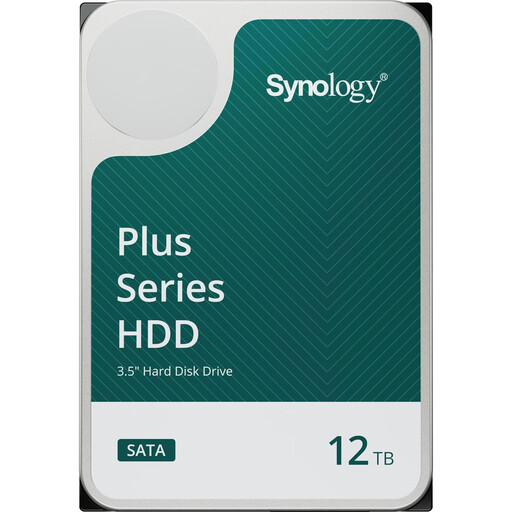 Image unavailable
Worth considering as additional storage for an existing, compatible NAS enclosure. The hard drive alone doesn’t provide network access.
12 TB; 3.5 inches; SATA III; CMR. Check compatibility with your specific enclosure and plan for a separate backup.
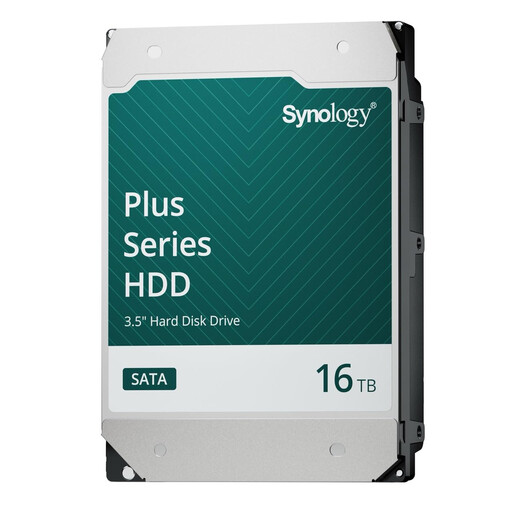 Image unavailable
Worth considering as additional storage for an existing, compatible NAS enclosure. The internal hard drive alone won’t enable network transfers.
16 TB; 3.5 inches; SATA 6Gb/s; CMR. Check compatibility with the enclosure before buying; you’ll still need a separate backup.
No. For important documents, you should also plan for a separate backup and test that you can restore your files. The Federal Office for Information Security recommends keeping backups separate from the live network, as well as preparing for recovery.
Decide which devices and people can read or edit files, and set up a backup process with a tested restore procedure. The Federal Office for Information Security explains how to assign access permissions to network drives according to need, and why it’s important to be prepared for recovery.
It depends on the model and the offer. QNAP states that the TS-264-8G is supplied without an HDD, so check what’s included with the specific enclosure. If necessary, plan for compatible drives and a separate backup destination.
If you process scans containing personal data in a context covered by the GDPR, you may need technical and organisational measures proportionate to the risk. The Federal Commissioner for Data Protection and Freedom of Information includes protection against unauthorised access and accidental loss among the relevant measures. The obligations that apply depend on the specific processing involved.