What should you look for when buying?
Internal NAS hard drive
A good fit if: You have a NAS with a suitable drive bay and plan to back up over your home network. Before buying, check the full NAS and drive model details, along with the manufacturer's compatibility information.
Bear in mind: A NAS needs to be set up and kept running. To protect against damage to the entire site, you’ll also need an additional backup stored separately.
External USB hard drive
A good fit if: You mainly want to back up one work computer and store the drive separately after copying your files.
Bear in mind: You’ll need to organise the connections, backup runs and recovery tests yourself. You can’t connect an internal NAS hard drive directly via USB without a suitable enclosure.
The German Federal Office for Information Security recommends keeping a backup separately, while Synology stresses that RAID alone is not a backup. The right hard drive is just one part of your backup plan.
| What you need |
What to check before buying |
Who should pay particular attention? |
| Recoverable backups |
Plan for file versions, an additional copy stored separately and occasional recovery tests. The German Federal Office for Information Security recommends keeping backups separately. |
If I want to restore earlier versions of my photos, I’ll plan for more than one copy that is always accessible. Around 33% of consumers put being able to restore their photos first. |
| Compatibility with a NAS or computer |
Compare the full drive model with your NAS model, bay, form factor and connection; check the manufacturer's compatibility list. If you don’t have a NAS, first check whether an external USB option is what you actually need. |
If I already have a NAS, I want to avoid choosing a drive that doesn’t fit the enclosure or meet its support requirements. Around 25% of consumers prioritise compatibility between the drive, NAS and support. |
| Space for your archive and file versions |
Allow for the storage already in use, expected growth and space for the versions you want to keep. Bear in mind that the usable space after setup will be less than the stated capacity. |
As my photo archive grows, I want enough capacity to keep multiple versions for as long as planned. Around 25% of consumers put having enough space for archive growth first. |
| Use in a home office |
Check where you’ll put the NAS, how long you expect it to run and the specifications for the complete NAS system, not just the hard drive. Also consider whether you have planned for another backup medium. |
If the NAS is near my workspace, I want to know how the whole system will fit into my routine and how much maintenance it needs. Around 17% of consumers prioritise keeping day-to-day running and maintenance straightforward. |
NAS drives at Joybuy
The selection below includes internal Synology NAS hard drives. Before buying, check that your NAS supports a compatible 3.5-inch SATA bay; these drives are not USB hard drives that you can plug in directly.
 No image available
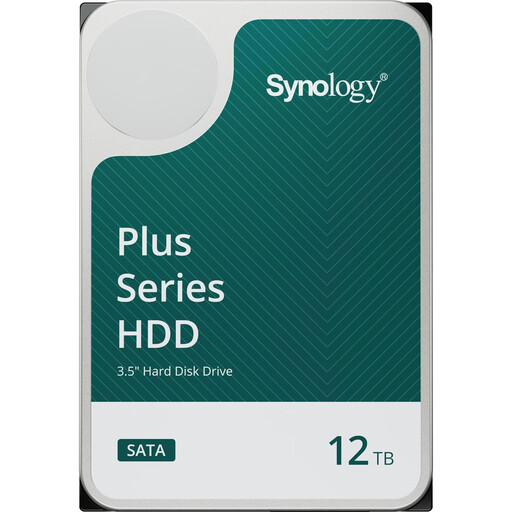
Synology HAT3310-12T 12TB
This internal NAS hard drive may suit a photo archive with a corresponding storage requirement, provided your NAS supports its installation.
12 TB, SATA III, 3.5 inches, 7.200 U/min, 512 MB cache, CMR and helium.
Joybuy
 No image available
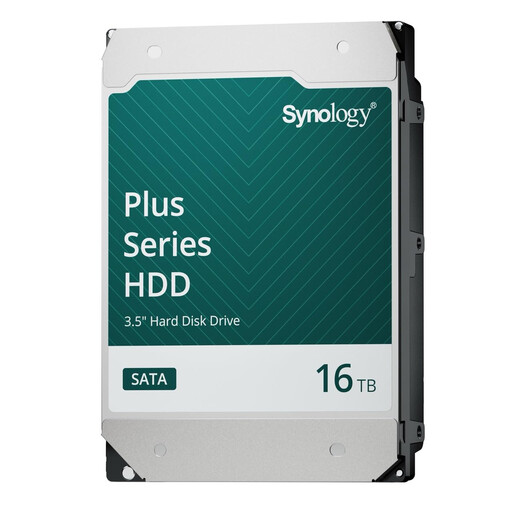
Synology HAT3310-16T 16TB
If the size of your photo archive and planned backup versions justify the extra space, check that this internal NAS hard drive is compatible with your enclosure.
16 TB, SATA 6 Gb/s, 3.5 inches, 7.200 U/min, CMR and 1.2M Hours MTBF.
Joybuy
 No image available
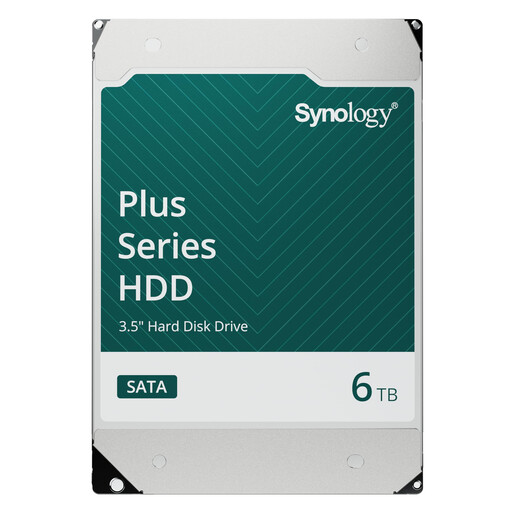
Synology HAT3300-6T 6TB
The 6-TB version may suit photo backups if its capacity meets your archive, growth and versioning needs, and your NAS supports it.
6 TB, SATA 6 Gb/s, 3.5 inches, 5.400 U/min, CMR and 1M Hours MTBF.
Joybuy
Frequently asked questions
How do I choose the capacity if my photos are stored on my PC?
First, check how much storage your photo archive currently uses, then allow for expected growth and space for planned backup versions. Bear in mind that the usable space after setup will be less than the stated capacity; the Synology Knowledge Center recommends keeping local copies with multiple versions.
Can I connect an internal NAS hard drive directly to my work computer via USB?
Not without a suitable enclosure or adapter. The Synology HAT3300-4T is specified as an internal 3.5-inch SATA hard drive; the German Federal Office for Information Security describes external USB hard drives as a separate option for backup copies.
What should I check after setting up photo backups?
Check that the intended photos are being backed up and test recovery by restoring selected files. To protect against damage to the entire site or to devices that remain connected, keep an additional copy stored separately; Synology also recommends keeping local copies with multiple versions.
What’s the difference between a drive warranty and protection for my photos?
A drive warranty is no substitute for backups and does not automatically protect you from losing stored photos. For the HAT3300-4T, Synology states a three-year warranty from the purchase date shown on the receipt; check the relevant terms for other models.
Does the GDPR apply to a personal photo archive stored on my NAS?
According to the German Federal Commissioner for Data Protection and Freedom of Information, the GDPR does not apply to processing carried out solely for personal or family purposes. This exemption no longer applies, for example, if you publish other people's photos online; work-related or public use should be assessed separately.
Where should I take an old hard drive for disposal in Germany?
Electrical and electronic waste must be taken to an authorised collection point, such as a local council facility. The German Federal Ministry for the Environment also lists manufacturers and retailers as possible authorised collection points; before handing over or disposing of a drive, the German Federal Office for Information Security recommends securely erasing personal data.


