What should you look for when choosing one?
First, plan for usable storage and future growth. Then check compatibility with your NAS and decide whether you’ll only be archiving files or editing directly from the NAS.
| Consideration |
What to check before buying |
Who it matters most to |
| Usable capacity and growth |
Allow for your existing projects and future growth; check the available volume capacity for your specific RAID configuration. |
If you store completed projects centrally, you’ll need enough usable storage for planned growth too. For around 29% of consumers, capacity is the top concern. |
| Separate backup |
Plan for an independent backup destination and a recovery test; don’t treat redundancy within the NAS as an independent backup. |
If you have projects that would be hard to replace, you’ll want to be able to restore a copy if the NAS or files are affected. For around 29% of consumers, recoverability is the main concern. |
| Shared access and editing |
Check your workflow, the number of simultaneous users and the network connection to each workstation; take software requirements into account. |
If several people edit projects together, you’ll need a suitable connection from the NAS to each workstation. Shared access is the top selection criterion for around 24% of consumers. |
| Compatibility and system requirements |
Match the full model number, form factor and interface against the specifications for your particular NAS; plan for any additional storage and network components. |
When fitting a drive to an existing NAS, you’ll want to be sure you can identify the model and device series correctly. For around 18% of consumers, integration is the main consideration. |
Joybuy products for NAS archives
The products below are internal hard drives for Synology NAS systems, designed for archiving. Before buying, check that the full model is compatible with your particular NAS.
 No image available
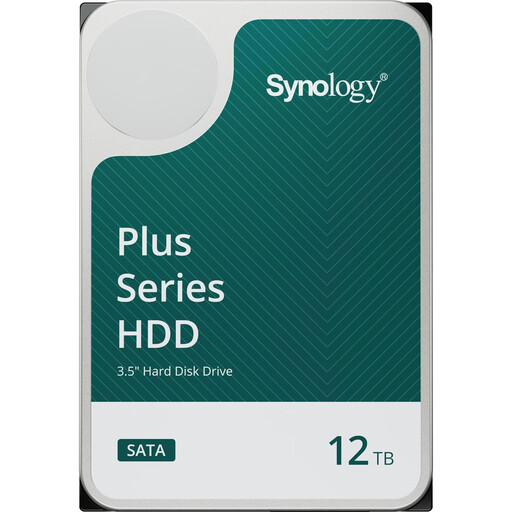
Synology HAT3310-12T, 12-TB NAS hard drive
For a NAS archive with a growing collection of projects; the product description states that it should only be used with compatible Synology NAS systems.
12 TB, CMR, SATA III, 3.5 inches, 7,200 RPM, 512 MB cache, helium; stated workload: 180 TB/year.
View at Joybuy
 No image available
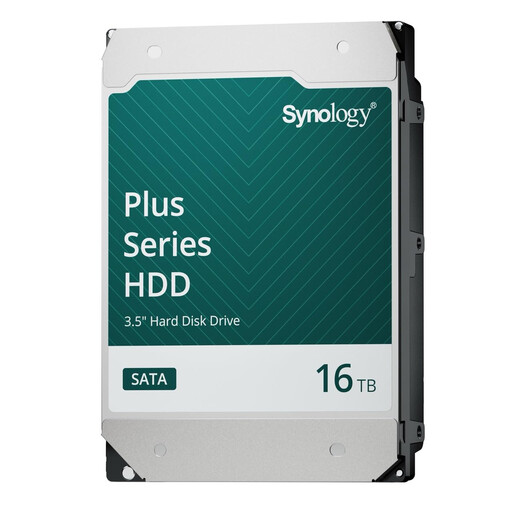
Synology HAT3310-16T, 16-TB NAS hard drive
For a NAS archive with high storage demands; the product description specifies compatible Synology NAS systems as a condition of use.
16 TB, CMR, SATA 6 Gb/s, 3.5 inches, 7,200 RPM; stated workload: 180 TB/year.
View at Joybuy
 No image available
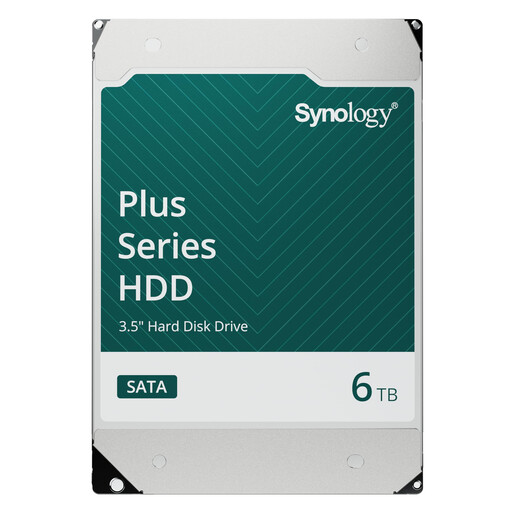
Synology HAT3300-6T, 6-TB NAS hard drive
For a NAS archive with moderate storage demands; the product description states that it should only be used with compatible Synology NAS systems.
6 TB, CMR, SATA 6 Gb/s, 3.5 inches, 5,400 RPM; stated maximum transfer rate: up to 202 MB/s.
View at Joybuy
Frequently asked questions
How much storage space is actually available for projects after installation?
This depends, among other things, on the number of drives, RAID type, NAS model and volume. Calculate the configuration for your device; Synology notes that volume metadata can further reduce the space available for files.
Are mirrored NAS drives enough for an archive backup?
Not if you need an independent way to recover your data after damage to the NAS or problems with files. Synology recommends a 3-2-1 backup strategy with an external copy; plan for an additional backup destination and a recovery test.
What should I consider when editing collaboratively with Premiere Productions?
For Premiere Productions, Adobe recommends using SMB to connect to shared storage, with consistent share names or drive letters across workstations. Adobe also recommends keeping a local media cache on the system drive or a fast, directly connected SSD. For this workflow, Adobe specifies at least 1 Gbit/s per workstation; Adobe recommends 10 Gbit/s or more for footage above HD resolution, larger Productions or several simultaneous users.
What other components should I plan for a video archive?
Check whether you have a NAS enclosure, the number of hard drives required for your configuration, suitable network components and a separate backup destination. What else you need will depend on your current setup and planned workflow.


