
Same-day & Next-day Delivery

Quality Guaranteed

Unlock Your Welcome Offers: FREE Delivery | Up to 80% OFF | Free 30-day JoyPlus trial
Download the APP
Nata de coco, the firm and slightly sweet coconut gel, is enjoying growing popularity. Whether as an ingredient in tropical desserts, a topping for bubble tea, or a refreshing snack, these versatile coconut jelly cubes are an indispensable part of Asian cuisine. However, there are a few pitfalls to watch out for when buying. At first glance, many products look similar, but they can differ significantly in quality, sugar content, and intended use. This guide will help you avoid the most common mistakes and find the right product for your needs.
Before you decide on a product, you should be aware of two common issues that often lead to an unsatisfactory result:
To ensure you get a product that meets your expectations, you should check three core aspects.
The most important factor is the form in which the nata de coco is offered. Each format is optimised for a different purpose:
A look at the ingredient list reveals a lot about the quality. Look for the percentage of nata de coco. A higher content (e.g., 25% or more in drinks, over 50% in products in syrup) generally promises a better texture and a more intense coconut experience. Also, check the other ingredients. Products that use real fruit juice instead of just flavourings often offer a more natural taste. For coloured coconut gel (red or green), food colourings are used, and their labelling (E-numbers) may be relevant for some consumers, especially parents.
To make your decision easier, we have matched some products based on typical use cases.
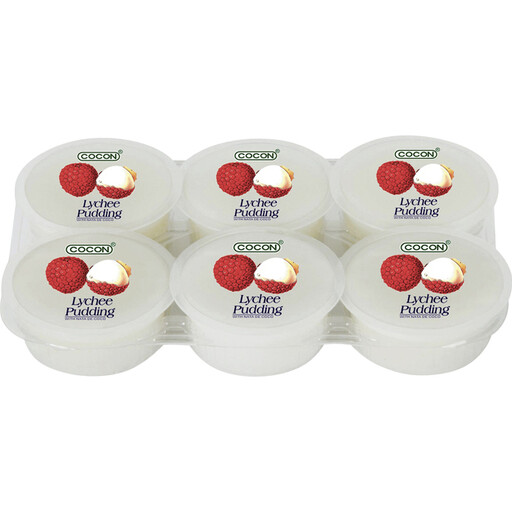
Why This Fits Their Persona: Ideal for families or individuals looking for a quick, fruity, and ready-to-eat snack. The single-serving portions are convenient for on-the-go or as a light dessert after a meal.
This product is clearly positioned as a dessert. The 12% nata de coco content is balanced for the pudding texture, providing the desired bite without being watery.
Convenient 80g single-serving cups; refreshing lychee flavour; ready to eat right out of the pack.
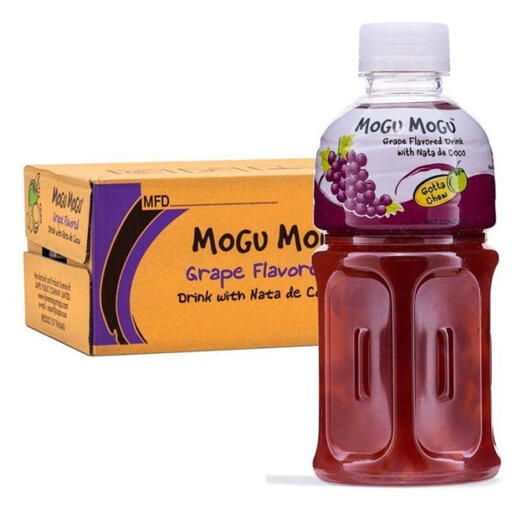
Why This Fits Their Persona: Perfect for anyone seeking the unique "chew and drink" experience. This nata de coco drink is a trendy beverage that quenches thirst while also serving as a light snack.
The Mogu Mogu brand is known for its high coconut gel content. With 25% nata de coco, it fully meets the expectation for a firm, chewy texture and doesn't disappoint with a low ratio of gel.
High content of chewy pieces; bulk pack for stocking up; authentic flavour from Thailand.
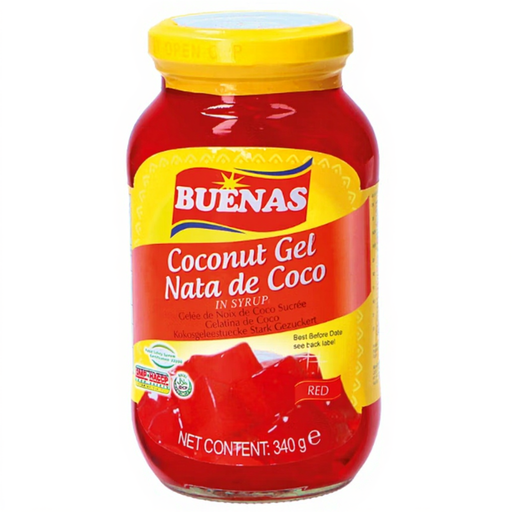
Why This Fits Their Persona: The ideal choice for those who want to prepare authentic Asian desserts like halo-halo or add a colourful, textured topping to their own drinks and ice cream creations.
This product avoids the hidden sugar trap by being a base ingredient. You have full control over the sweetness by using the syrup as needed or rinsing the cubes.
Maximum versatility for your own recipes; high coconut gel content (62%); vegan and Halal-certified.
If you're looking for other flavours or formats, our main category features a wide selection of products, carefully chosen based on their objective features.
1. How should I store opened nata de coco? Nata de coco that is packed in syrup should be transferred to an airtight, non-metallic container and stored in the refrigerator after opening. It is recommended to consume it within a few days to maintain its freshness and texture. Always follow the specific instructions on the product packaging.
2. Is nata de coco naturally sweet? No, pure nata de coco has a very neutral to slightly sour taste. It is created through the bacterial fermentation of coconut water. The sweetness familiar from most commercial products comes exclusively from the added sugar or syrup in which the cubes are preserved.
3. Can you use nata de coco in savoury dishes? Although it is primarily known for tropical sweets and desserts, nata de coco can also be used in some savoury dishes due to its neutral flavour and unique texture. After thoroughly rinsing off the syrup, it can serve as a textural element in certain Asian salads or cold appetisers, for example.