
Lieferung heute & morgen

Qualitätsgarantie

Willkommens-Angebote freischalten: KOSTENLOSE Lieferung | Bis zu 80 % RABATT | Kostenlose 30-Tage-JoyPlus-Testphase
App herunterladen
Sensitive skin places unique demands on daily care. The market for natural cosmetics is constantly growing, but the vast selection and lofty marketing claims often make the decision difficult. As a Joybuy Product Recommendation Officer, my role is to provide you with objective criteria to find products that truly suit your skin's needs. This guide will help you avoid common purchasing pitfalls and make an informed choice.
Many products advertise their natural qualities, but not all deliver on their promises. Pay attention to these points to avoid disappointment:
To find the right care, you should focus on verifiable facts. The following three parameters are essential for making a good purchasing decision.
The International Nomenclature of Cosmetic Ingredients (INCI) lists all of a product's components in descending order of concentration.
Reliable seals help distinguish genuine natural cosmetics from marketing promises.
Not every natural cosmetic is suitable for every skin type. The texture and composition must match the specific need.
Based on the objective criteria mentioned above, we have compiled a selection of products for different user profiles.
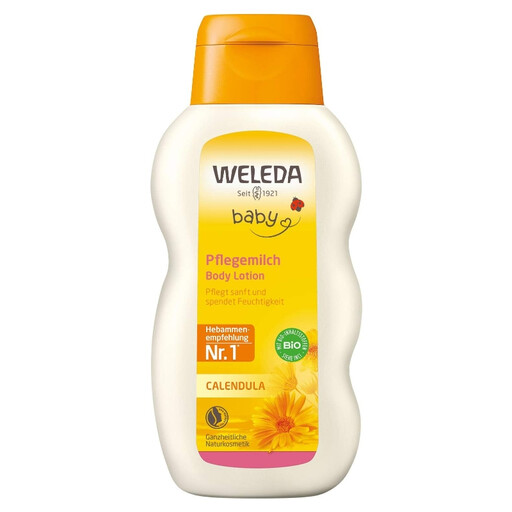
Why This Fits Their Persona: Ideal for parents seeking reliable and natural basic care for their baby's sensitive skin. The lightweight lotion is suitable for daily use all over the body.
The product carries the NATRUE seal, ensuring certified natural cosmetic quality without misleading promises. The ingredients are transparently declared.
Contains an extract of organic calendula, known for its skin-soothing properties. The lightweight texture absorbs well and nourishes with almond and sesame oil.
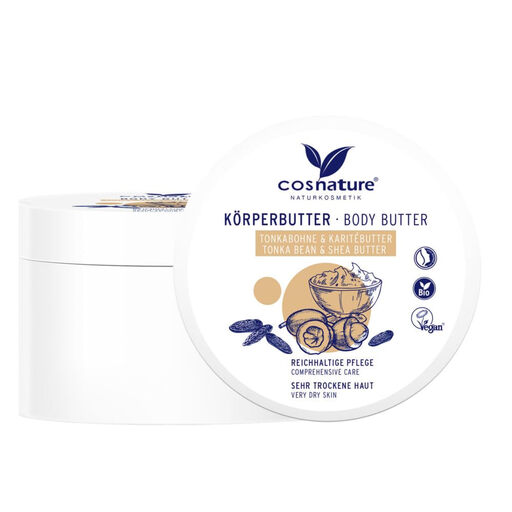
Why This Fits Their Persona: Perfect for individuals with very dry, tight skin who are looking for intensive, long-lasting moisture for their body.
This product is both NATRUE-certified and vegan. This provides double assurance regarding its ingredients and manufacturing philosophy.
The rich formula with shea butter, cocoa butter, and almond oil intensively supplies the skin with lipids and moisture, noticeably improving the skin's appearance.
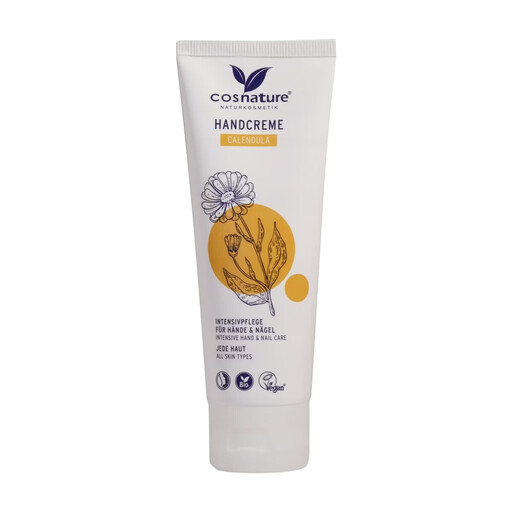
Why This Fits Their Persona: Suitable for anyone whose hands are stressed and sensitive from frequent washing or other factors, and who needs a protective, non-greasy daily moisturiser.
The NATRUE and Vegan certifications build trust. The formulation focuses on proven, nourishing ingredients rather than empty 'free-from' promises.
The combination of shea butter and organic calendula oil protects and soothes the skin. The cream absorbs quickly, making it particularly suitable for everyday use.
We have compiled a complete, up-to-date list of products that fully meet these strict selection criteria.
The most reliable way is to check for recognised certifications like NATRUE, BDIH, or Ecocert. These seals guarantee that the product follows strict guidelines regarding ingredients and manufacturing processes. A quick look at the INCI list also helps: plant-based oils and extracts should be high on the list, while synthetic substances should be absent.
Not necessarily. Natural ingredients, especially essential oils or plant extracts (e.g., from arnica or chamomile), can also trigger allergic reactions in some people. If you have a known hypersensitivity, it is advisable to check the INCI list carefully and test a new product on a small patch of skin first, such as the inner elbow.
Since natural cosmetics often omit strong synthetic preservatives, their shelf life is generally shorter than that of conventional products. Most products use natural preservatives like alcohol in low concentrations or Vitamin E (Tocopherol). The period-after-opening (PAO) symbol on the packaging indicates how many months the product is good for after opening (e.g., "6M" for six months). It's best to store products in a cool, dark place to maximise their shelf life.