
Lieferung heute & morgen

Qualitätsgarantie

Willkommens-Angebote freischalten: KOSTENLOSE Lieferung | Bis zu 80 % RABATT | Kostenlose 30-Tage-JoyPlus-Testphase
App herunterladen
A natural foundation should even out your complexion without masking the skin. The goal is a fresh, polished look that lets your own skin shine through. However, the market is flooded with products whose marketing promises often create more confusion than clarity. Many shoppers invest in products that don't suit their skin type or deliver an unnatural result. This guide will help you avoid the most common purchasing pitfalls and make an informed decision.
Choosing the wrong product often leads to disappointment and unnecessary expense. Watch out for these three common pitfalls:
To make the right choice, you should focus on objective criteria rather than marketing slogans. The following three parameters are crucial.
The texture is the foundation for the final result. Each type has specific properties:
The terms used to describe coverage and finish should be interpreted practically:
A modern foundation can do more than just cover. Look for formulas tailored to your skin's needs:
Based on these objective criteria, we have curated a selection of products suitable for different needs and skin types.
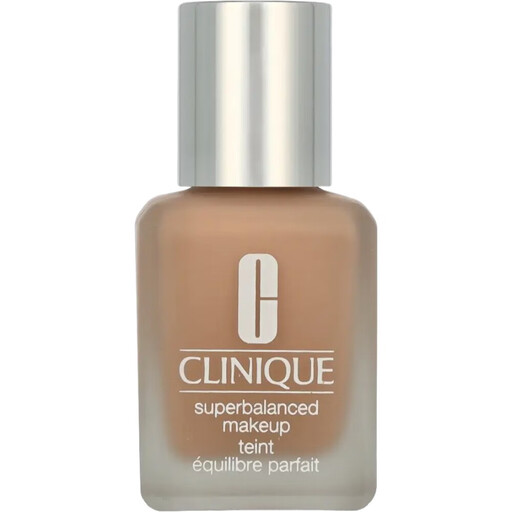
Why it's a match: It was specifically developed for the challenges of combination skin. The formula adapts to the skin's different needs—it hydrates dry cheeks while simultaneously mattifying the oily T-zone.
This product solves the "wrong finish" trap by offering a smart, balancing effect rather than just mattifying or just hydrating.
The oil-free, non-acnegenic formula ensures comfortable wear and a natural-matte finish that lasts all day.
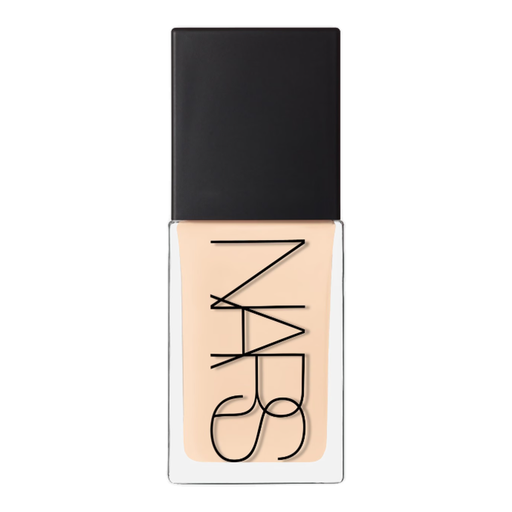
Why it's a match: For users seeking a hybrid of makeup and skincare. This foundation not only provides natural, radiant coverage but also contains ingredients that support the skin barrier and protect against environmental stressors.
It bypasses the "natural" trap by offering a formula that, according to the manufacturer, visibly improves the skin's appearance even after removal.
The lightweight, breathable texture conceals imperfections and redness without weighing down the skin, providing a luminous finish.
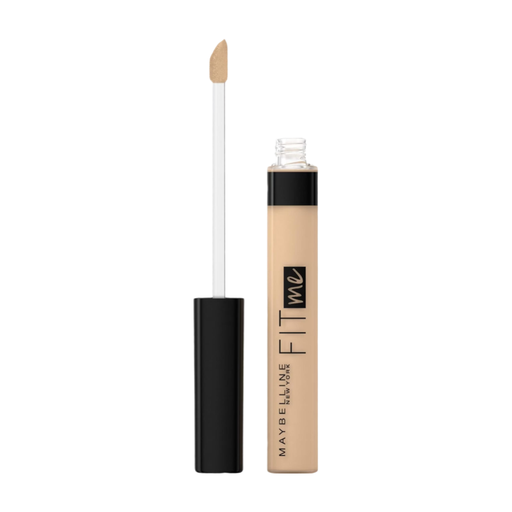
Why it's a match: A concealer is often a better choice for a natural look than a full-face foundation. This product allows for targeted coverage of redness, dark circles, or blemishes, while the rest of the skin remains bare.
It avoids the "unnecessary coverage" trap by enabling spot application. This prevents using too much product for daily wear and spending money on a barely-used foundation.
The oil-free formula and precision applicator allow for easy blending without a mask-like effect. The coverage is buildable for flexible application.
We have compiled a complete, up-to-date list of products that fully meet these strict selection criteria and our quality standards.
Choosing a shade online is a challenge. A useful approach is to determine your skin's undertone (cool, warm, or neutral). Look at the veins on your wrist: bluish veins suggest a cool undertone, while greenish ones indicate a warm undertone. If you see both, your undertone is likely neutral. Many brands offer digital shade-matching tools on their websites or show images of the product on various skin tones, which can serve as a guide.
Yes, the key is choosing the right formula. Look for products labelled "non-comedogenic" and "oil-free". A light-coverage foundation or a serum foundation can be enough to reduce redness without weighing down the skin. For more significant blemishes, a separate concealer can be applied precisely for high coverage without applying heavy makeup to the entire face.
For an especially natural result, apply the foundation with your fingers. The warmth from your hands helps the product melt seamlessly into the skin. Start in the centre of your face and blend the product outwards. A damp makeup sponge also creates a very even and sheer finish. For a bit more coverage, use a foundation brush. Less is often more here—start with a small amount and build coverage only where needed.