
Lieferung heute & morgen

Qualitätsgarantie

Willkommens-Angebote freischalten: KOSTENLOSE Lieferung | Bis zu 80 % RABATT | Kostenlose 30-Tage-JoyPlus-Testphase
App herunterladen
By Joybuy Product Recommendation Officer, July 28, 2026
Choosing the right hair conditioner can be overwhelming with countless products on the market. The many promises on labels often lead to disappointment and wasted money. Before you make a decision, it's important to understand the most common pitfalls that mislead consumers.
A common misconception is that a silicone-free conditioner is inherently the better choice. In reality, there are different types of silicones. While some heavy, non-soluble variants can weigh hair down, water-soluble silicones are often beneficial for controlling frizz and adding shine without leaving behind any build-up.
Another pitfall is products that advertise an exotic "miracle ingredient." Often, the concentration of this ingredient is so low that no noticeable effect can be expected. It's not a single ingredient that matters, but the overall formulation. Furthermore, the term "repair" is frequently used misleadingly. Many products merely smooth the hair's surface temporarily without strengthening the hair structure from within. A true repair conditioner should be based on ingredients proven to penetrate the hair fibre.
To make an informed purchasing decision, you should examine two core aspects: the ingredient composition and the application type that suits your needs.
A conditioner's effectiveness depends on its formula. Look for the following groups of active ingredients that target specific hair problems:
Depending on your hair's condition and the time you have, different product types are suitable:
Based on the criteria mentioned, we have curated a selection of products tailored to specific user profiles.
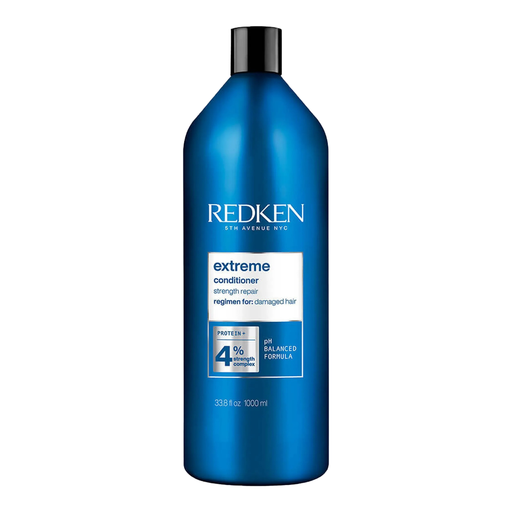
Why This Fits Their Persona: Ideal for individuals whose hair is heavily stressed from colouring, bleaching, or frequent heat styling. The formula aims to restore the hair's structure rather than just creating superficial smoothness.
This product bypasses the "repair marketing" pitfall. It relies on a protein complex with soy protein and arginine, which is proven to help strengthen the hair structure instead of just leaving a smoothing film.
The formula with its Fortifying Complex aims to smooth the hair's surface while simultaneously strengthening the internal hair structure, leading to improved resilience.
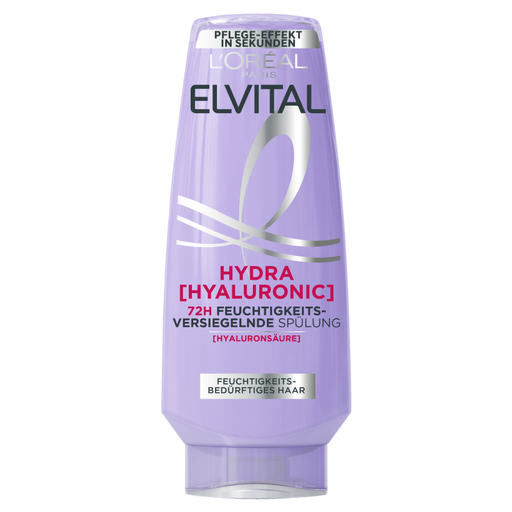
Why This Fits Their Persona: Perfect for anyone looking for an effective daily moisturising treatment without a high budget. The formula is designed to hydrate the hair without weighing it down.
This product avoids the "miracle ingredient" hype by focusing on hyaluronic acid—an established active ingredient in skin and hair care known for its ability to attract and retain moisture.
The formula provides moisture for up to 72 hours (according to the manufacturer) and improves manageability, resulting in noticeably smoother and shinier hair.
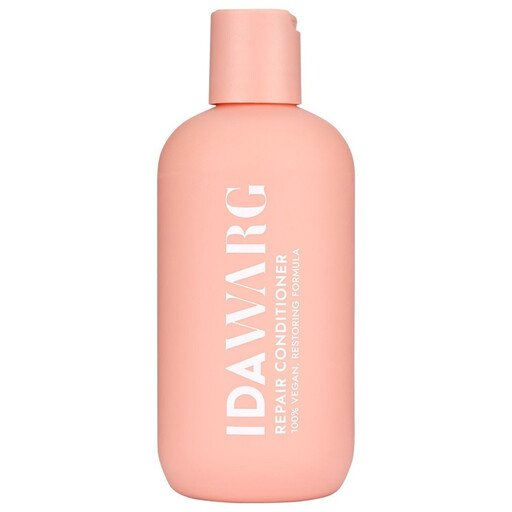
Why This Fits Their Persona: For users who value cruelty-free, vegan products and want to avoid sulphates and parabens. This conditioner offers a nourishing effect for dry and damaged hair based on plant-derived ingredients.
This product demonstrates that a "free-from" formula doesn't have to compromise on performance. Instead of marketing buzzwords, it uses algae extracts to repair and strengthen the hair, proving the effectiveness of a well-designed vegan recipe.
The formula is 100% vegan, cruelty-free, and free from sulphates and parabens. It deeply nourishes the hair without weighing it down and provides long-lasting protection.
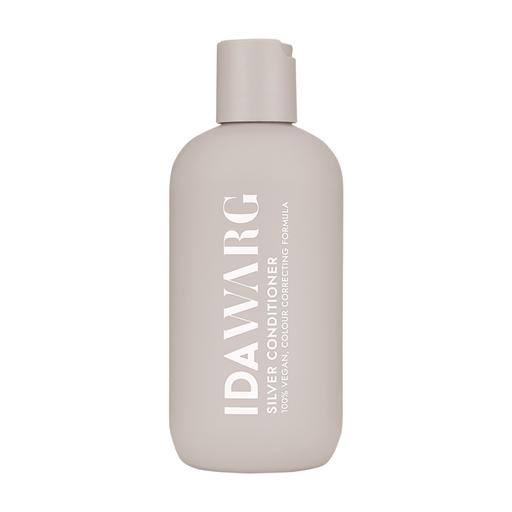
Why This Fits Their Persona: Specifically for those with blonde, lightened, or grey hair who want to neutralise unwanted yellow or brassy tones while also conditioning their often-damaged hair.
This silver conditioner is more than just a colour corrector. It also contains wheat protein to strengthen the hair structure weakened by chemical treatments, thus combining colour care with genuine repair.
The formula with violet pigments effectively neutralises warm tones, while wheat protein strengthens the hair. The conditioner is also vegan and paraben-free.
We have compiled a complete, real-time list of products that fully satisfy these strict selection criteria and UK safety regulations.
For most hair types, it is recommended to use a rinse-out conditioner after every wash. This helps to smooth the hair's cuticle, which is roughened by shampooing, protects it from damage, and improves manageability. For very fine or quickly greasing hair, it may be sufficient to apply the conditioner only to the lengths and ends.
A hair conditioner is designed for daily use. Its main function is to smooth the hair's surface, improve detangling, and condition the hair after washing. A hair mask (or deep conditioner) has a richer formulation with a higher concentration of nourishing ingredients. It penetrates deeper into the hair structure to provide intense moisture or repair damage and is typically used only once or twice a week in place of a conditioner.
A correctly applied hair conditioner does not cause hair loss. Hair loss is a complex process that usually starts at the hair root. A conditioner should primarily be applied to the lengths and ends to avoid unnecessarily weighing down the scalp. If products with heavy oils or silicones are applied directly to the scalp and not rinsed out thoroughly, they can clog pores and lead to irritation, but this is not the same as hormonal or genetic hair loss.