
Lieferung heute & morgen

Qualitätsgarantie

Willkommens-Angebote freischalten: KOSTENLOSE Lieferung | Bis zu 80 % RABATT | Kostenlose 30-Tage-JoyPlus-Testphase
App herunterladen
As a Joybuy Product Recommendation Officer, I often see well-intentioned culinary projects fail because of the wrong product. Are you trying to make authentic dan dan noodles, but the sauce doesn't taste like it does at the restaurant? Or is your hot pot dip turning out flat and bland? The cause is often the choice of sesame paste. The market offers a bewildering variety, and not every paste is suitable for every dish. Before you make a decision, you should know the most common pitfalls that lead to kitchen disappointments.
To ensure you find the right product for your culinary project, it's helpful to check three core parameters. These will help you decode the labels and make an informed choice.
The geographical origin often provides the most important clue about the texture and intended use.
A look at the ingredient list is essential. For an authentic base that you want to customize yourself, a paste made from 100% sesame is the right choice. Products labeled as "Mixed Sesame Sauce" often contain a portion of peanut paste, which alters the taste—an important piece of information, especially for those with allergies. Ready-to-use sauces and dressings naturally have a longer ingredient list that includes oils, sweeteners, and spices. Pay attention to the ratios here to ensure that sesame remains the primary flavor component.
The color of the paste provides clues about the degree of roasting and the type of sesame seed used.
Natural oil separation on the surface is not a flaw but often a sign that no emulsifiers have been added. The oil can simply be stirred back in before use.
Here are some recommendations tailored to different needs and cooking styles.
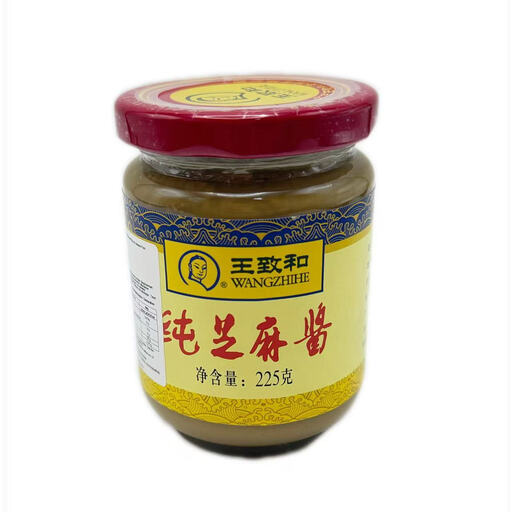
Why This Fits Their Persona: Ideal for those who want to mix the classic dip for a Northern Chinese hot pot themselves. This paste provides the pure, intense base that can be customized as desired with soy sauce, vinegar, cilantro, and chili oil.
According to the manufacturer, it consists of 100% sesame, thus avoiding the pitfall of fillers. Its thick consistency and intense roasted flavor are exactly what you'd expect from an authentic Chinese sesame paste.
Pure, unadulterated flavor; maximum flexibility for seasoning; a traditional brand with a long history.
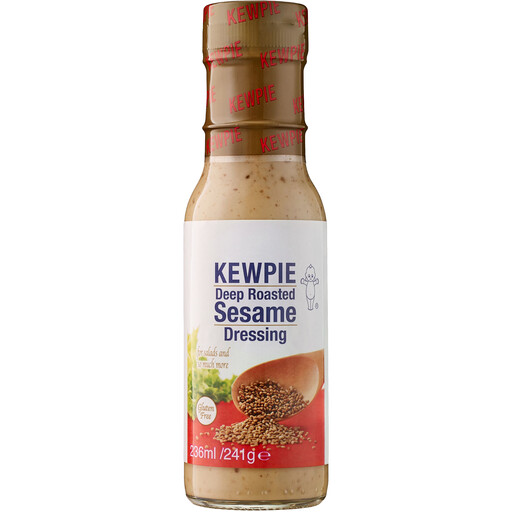
Why This Fits Their Persona: Perfect for anyone looking to effortlessly add an intensely flavorful Japanese touch to salads, bowls, or as a dip for chicken. This dressing is ready to use right out of the box and delivers a consistently delicious taste.
It's clearly marketed as a "dressing," thus avoiding confusion with a pure paste. You get a finished product designed specifically for its intended purpose—seasoning salads and similar dishes.
Ready-to-use and time-saving; balanced, creamy, and nutty flavor profile; versatile for salads, dips, and marinades.
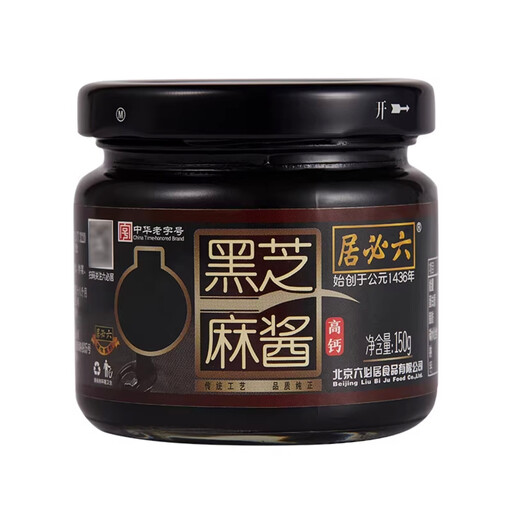
Why This Fits Their Persona: For cooks who think outside the box and want to experiment with intense flavors. This black sesame paste is excellent for desserts like ice cream or mochi, as a filling for sweet pastries, or to give noodle dishes a deep, dark color and a complex flavor.
This product is clearly labeled as "Black Sesame Paste" and, according to the manufacturer, consists only of black sesame. It prevents the pitfall of false expectations, as it is visually and tastefully distinct from light paste.
Intense, slightly tart flavor; versatile for sweet and savory dishes; pure ingredient with no additives.
We've compiled a complete, up-to-date list of products that meet these strict selection criteria and quality standards.
Thick Chinese sesame paste must be emulsified before use. Place the desired amount of paste in a bowl. Then, while stirring constantly in one direction, slowly add warm water or broth. At first, the paste will clump and become even firmer, but with continued stirring and more liquid, it will suddenly become smooth and creamy. Continue until the desired consistency is reached.
A direct substitution is not always recommended. Tahini is milder and often more bitter because it's made from unroasted seeds. For dishes that require a deep, nutty, roasted flavor (e.g., dan dan noodles or hot pot dip), tahini is not an adequate substitute. In a pinch, you can try to lightly toast tahini in a dry pan over low heat to generate more flavor, but the result will be different.
After opening, sesame paste should be stored tightly sealed in the refrigerator. This slows the oxidation of the oil and preserves its freshness. It's normal for the oil to separate and rise to the surface during cool storage, causing the paste to harden. Before use, let it sit at room temperature for a short while and stir vigorously to recombine the oil and paste. Stored this way, it is typically good for several months. Always follow the instructions on the packaging.