
Lieferung heute & morgen

Qualitätsgarantie

Willkommens-Angebote freischalten: KOSTENLOSE Lieferung | Bis zu 80 % RABATT | Kostenlose 30-Tage-JoyPlus-Testphase
App herunterladen
A good face cream is the cornerstone of any skincare routine. But the market is overwhelming, with countless products making lofty claims that turn choosing one into a challenge. Many creams fail to deliver on their promises or are simply unsuitable for your skin type. This often leads not just to disappointment, but also to wasted money.
As your Joybuy Product Recommendation Officer, I'm here to help you identify the common pitfalls of buying skincare. Instead of falling for marketing hype, we'll focus on the objective criteria that truly matter, empowering you to make an informed decision for your skin.
Before we get to the solutions, it's crucial to understand the most common issues that lead to poor purchasing decisions:
To find the right face cream, you should focus on three core parameters. These will help you evaluate products objectively and make a suitable choice.
A cream's consistency is crucial for its effectiveness and how it feels on your skin. The wrong texture can even worsen existing skin problems.
Instead of searching for a single trendy ingredient, look for proven ingredients tailored to your skin goals:
A good face cream is also defined by what it doesn't contain. For sensitive skin types, products without denatured alcohol (Alcohol denat.) and without added fragrances are often the better choice. Those prone to blemishes should look for the "non-comedogenic" label. Trends like Korean Skincare (K-Beauty) often place great emphasis on thoughtful, low-irritant formulations.
Here are some product recommendations tailored to different needs and lifestyles.
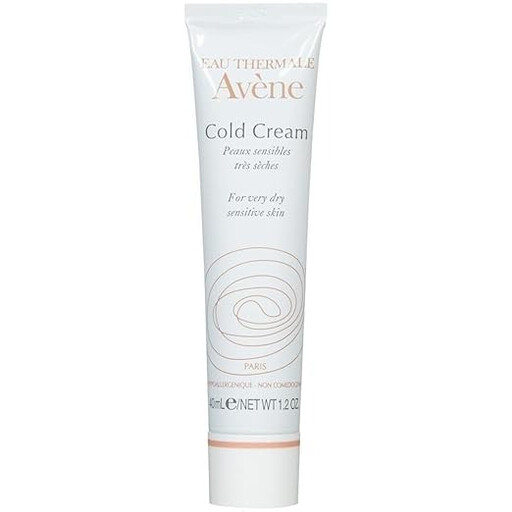
Why This Fits Their Persona: This person is looking for a reliable, no-fuss solution for dry and irritated skin, especially during the colder months. The cream provides intensive nourishment and protection without relying on fleeting trends.
It bypasses the "miracle ingredient" trap with a proven, minimalist formula based on thermal spring water and nourishing lipids, specifically designed to restore the skin barrier.
The rich texture offers immediate comfort and protection for very dry areas of skin. The formula is designed to support the natural skin barrier.
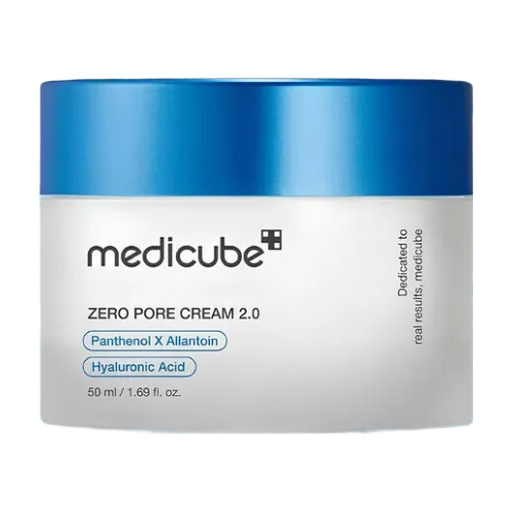
Why This Fits Their Persona: This user is interested in innovative Korean skincare and is looking for a lightweight moisturizer that specifically refines the appearance of pores and regulates sebum production.
It debunks the "one-size-fits-all" myth by offering a specific solution for oily and combination skin, rather than being a generic moisturizer.
The formula, with glycolic acid and hyaluronic acid, aims to refine skin texture while providing hydration. Its lightweight texture is suitable for skin prone to shine.
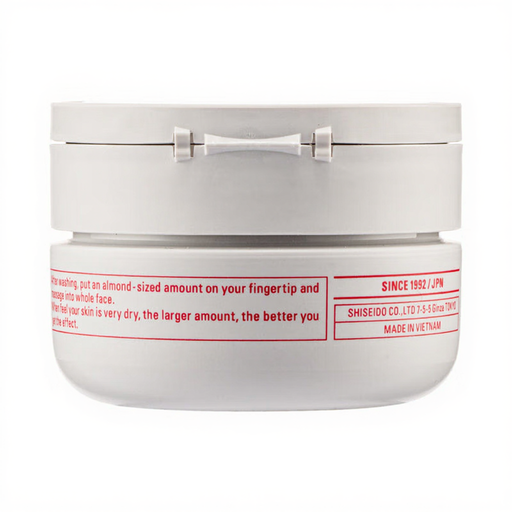
Why This Fits Their Persona: Ideal for men seeking a straightforward yet effective all-in-one skincare solution. This face cream for men moisturizes and protects the skin without feeling sticky or requiring a complex routine.
It solves the problem of unsuitable texture, as it was specifically developed for the needs of men's skin: it absorbs quickly and leaves no heavy or greasy feeling.
The formula with glycerin, shea butter, and panthenol nourishes the skin and supports its protective function. The non-greasy texture provides a refreshed skin feel.
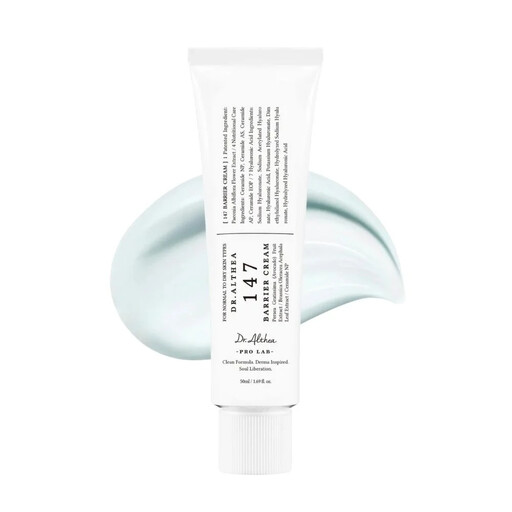
Why This Fits Their Persona: This person understands that an intact skin barrier is the key to healthy skin. They are specifically looking for a cream with ceramides and other strengthening ingredients to make their skin more resilient.
Instead of relying on a single active ingredient, this cream combines multiple types of ceramides with a 7-layer hyaluronic acid complex for comprehensive and deep nourishment.
The formula is explicitly designed to repair and strengthen the skin barrier. Its silky texture provides intense moisture without leaving a sticky feeling.
We have compiled a complete, up-to-date list of products that fully meet these strict selection criteria and all applicable safety regulations.
1. How often should I apply face cream? Generally, it's recommended to use a face cream twice a day: in the morning and evening after cleansing. The morning application protects the skin throughout the day, while the evening application supports the skin's regeneration overnight.
2. What is the difference between a day cream and a night cream? A day cream often has a lighter texture and may contain a Sun Protection Factor (SPF) to shield the skin from UV radiation. Its focus is on protection and hydration. A night cream is typically richer and concentrates on regeneration. It often contains active ingredients like peptides or mild acids that promote cell renewal overnight.
3. Can I use a face cream on my body, or vice versa? Technically, it's possible, but not always ideal. Face creams are formulated for the thinner, more sensitive skin on the face and are often tested as "non-comedogenic" to avoid clogging pores. Body lotions can be richer and may contain fragrances that could cause irritation on the face. Using a face cream on your body is harmless, but it's an expensive option in the long run.