
Lieferung heute & morgen

Qualitätsgarantie

Willkommens-Angebote freischalten: KOSTENLOSE Lieferung | Bis zu 80 % RABATT | Kostenlose 30-Tage-JoyPlus-Testphase
App herunterladen
Persistent neck and shoulder tension is a daily struggle for many people, especially those with sedentary office jobs or long commutes. A neck massager with heat can be a convenient solution for relieving muscle discomfort at home or on the go. However, the market offers a confusing variety of models, and their marketing promises often create more confusion than clarity.
Before making a purchase, it's important to be aware of common pitfalls that can lead to a bad buy. Many devices turn out to be impractical or ineffective because fundamental design features were overlooked.
To find a suitable device that meets your needs, you should check three core parameters. These will help you objectively evaluate functionality and distinguish marketing hype from genuine performance features.
The type of massage is the most critical factor for effectiveness. It's important to understand the differences:
The combination of massage and heat can promote blood circulation and enhance muscle relaxation. A good heat function is characterized by the following features:
The design of the device determines how and where you can use it most effectively.
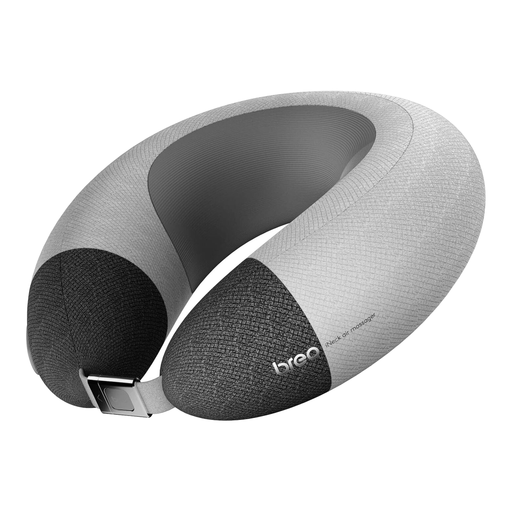
Why This Fits Their Persona: This device is specifically designed for mobile use. It inflates and deflates at the touch of a button, making it extremely compact and easy to store. USB charging makes it the ideal companion for air travel, in the car, or at the office.
The inflatable design bypasses the poor ergonomics pitfall, as the firmness can be individually adjusted and the U-shaped pillow provides stable neck support.
Combines portability with a full-fledged kneading massage and an optional heat function. Its quiet operation allows for discreet use in public.
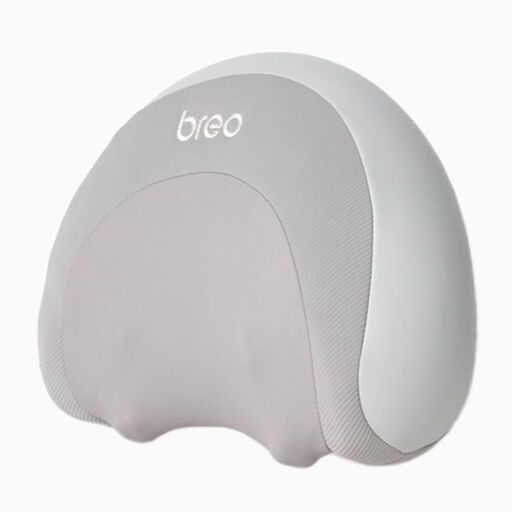
Why This Fits Their Persona: This massage pillow is optimised for stationary use and provides an intensive treatment. It's suitable for individuals seeking comprehensive relaxation for their neck, shoulders, and lumbar spine after a long day, whether used while lying down or sitting.
It addresses the pitfall of superficial massage with an adaptive Shiatsu technique featuring a 15° swivel range, which conforms to the body's contours for a deep-reaching effect.
The intelligent NTC heating system ensures precise and safe temperature regulation. The wave-like design is anatomically segmented to support the neck, shoulders, and upper back.
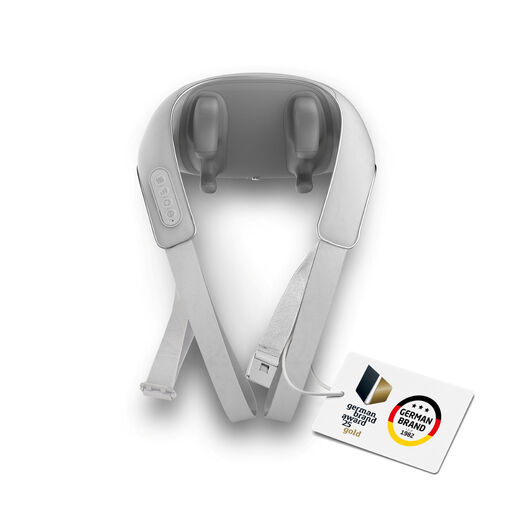
Why This Fits Their Persona: This cordless wrap-style massager offers maximum freedom of movement. It is ideal for people who don't want to be tied to one spot during their massage and wish to do light chores or move freely around the room.
It solves the problem of inadequate battery life with an integrated rechargeable battery designed for mobile, hands-free use, providing a reliable runtime.
The intensity can be controlled not only via three speed levels but also manually by pulling on the hand loops. The device is versatile for use on the neck, shoulders, back, and legs.
We have compiled a complete, up-to-date list of products that fully meet these strict selection criteria and safety regulations.
Generally, a session duration of 15 to 20 minutes is recommended. Most devices have an automatic shut-off feature to prevent muscle overstimulation. Depending on individual needs, the device can be used once or twice daily. Pay attention to your body's signals and avoid using it on inflamed or injured areas.
A Shiatsu neck massager uses rotating nodes to simulate a kneading pressure massage, which is well-suited for general relaxation and loosening tension. A massage gun, on the other hand, uses rapid, percussive strokes for an intense deep-tissue neck massage. This can be too intense for the sensitive neck and throat area if used improperly and requires careful handling.
A massager for neck tension with a heat function can help alleviate muscle discomfort and promote relaxation. The combination of massage and heat can stimulate local blood circulation, thereby helping to loosen muscles. However, it is important to understand that this is not a medical treatment device. For chronic, severe, or persistent pain, a doctor or physical therapist should always be consulted.