
Lieferung heute & morgen

Qualitätsgarantie

Willkommens-Angebote freischalten: KOSTENLOSE Lieferung | Bis zu 80 % RABATT | Kostenlose 30-Tage-JoyPlus-Testphase
App herunterladen
The wrong neck pillow can cause more problems than it solves. Whether you're travelling, in the car, or in your own bed, the right support for your head and neck is crucial for comfort and well-being. But the market is flooded with products whose marketing promises often create more confusion than clarity. As your Joybuy Product Recommendation Officer, I'll help you identify the essential features and steer clear of common purchasing traps.
Many buyers are swayed by appealing product images or vague advertising claims, only to discover after purchase that the pillow doesn't suit their needs. Pay special attention to these three points:
To make an informed decision, you should focus on objective and measurable criteria. The following three parameters are crucial for the function and benefit of a neck pillow.
The material is the primary determinant of the pillow's support properties, breathability, and durability.
The shape of the pillow must match your sleeping or sitting position.
Define the primary use case to narrow down your options. A pillow for nightly use has different requirements for ergonomics and material than one used only for occasional flights. An orthopaedic pillow for home focuses on correct spinal alignment over many hours, whereas a travel pillow needs to be, above all, compact and lightweight.
Based on the criteria mentioned, we have identified some products that are well-suited for specific user groups.
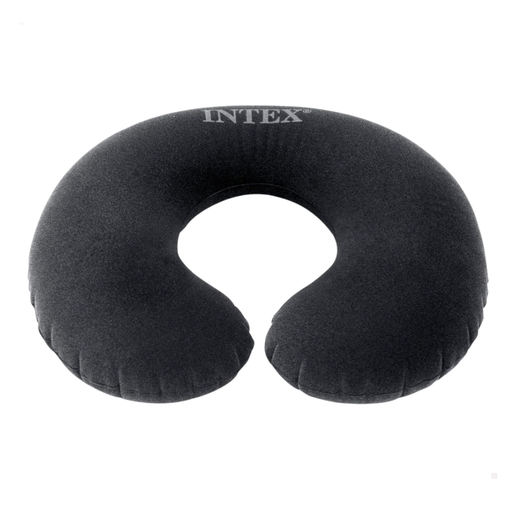
Why This Fits Their Persona: Lightweight, compact, and easy to store. Ideal for occasional travel by plane, train, or car where minimal luggage is a priority. The flocked surface provides a comfortable feel against the skin.
This pillow is clearly positioned as temporary support for travel and doesn't promise a complex ergonomic solution for continuous use. Its function is simple, purpose-driven, and transparent.
Extremely small pack size and low weight. The firmness level is individually adjustable via the amount of air.
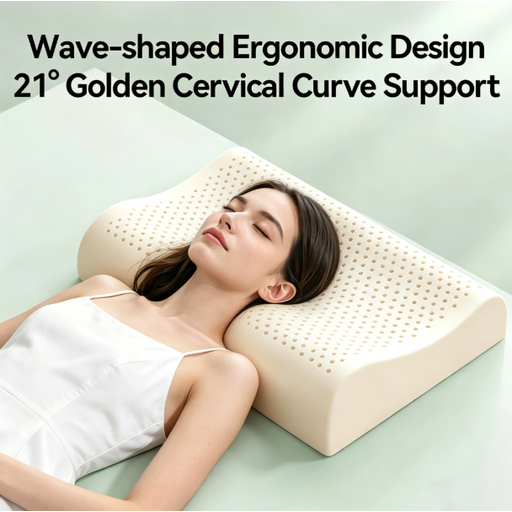
Why This Fits Their Persona: Offers a combination of a breathable material (latex) and an ergonomic wave design. It is suitable for nightly use and supports stable alignment of the cervical spine in various sleeping positions.
Instead of a vague "premium" promise, the material composition is clearly declared ("93% Natural Latex"). The wave shape is a proven ergonomic contour specifically designed for neck support.
High breathability due to the open-cell structure of the latex. Durable elasticity and shape retention of the material.
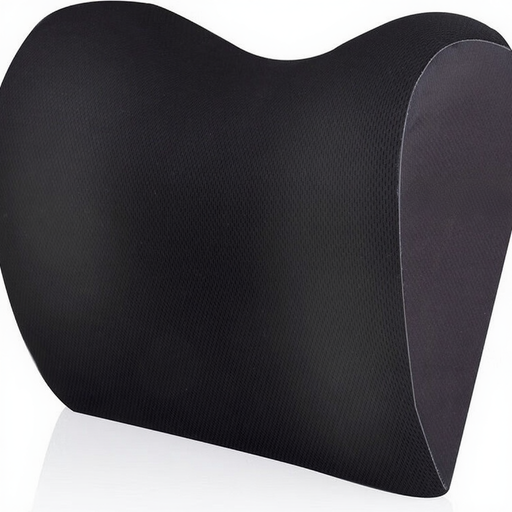
Why This Fits Their Persona: Specifically designed for use in the car. The universal fit with an adjustable strap ensures secure positioning on the headrest and supports the neck during long drives or daily commutes.
This is not a "one-size-fits-all" solution, but a dedicated car neck support pillow. Its shape and size are optimised for the upright sitting position in a vehicle, not for lying in bed.
Secure hold on the car seat thanks to the adjustable strap. The memory foam adapts to the neck's contour and can help relieve muscle tension during the drive.
We have compiled a complete, up-to-date list of products that fully meet these strict selection criteria and applicable safety regulations.
1. How long does a memory foam pillow last? The lifespan of a memory foam pillow depends heavily on the foam's density and how frequently it's used. On average, you can expect it to last for 2 to 3 years. Signs that it's time for a replacement include the pillow no longer returning to its original shape, showing permanent indentations, or the foam becoming crumbly.
2. Can a neck pillow help with neck pain? A suitable ergonomic pillow can help keep the cervical spine in a neutral position, thereby relieving muscle strain. This can be beneficial in alleviating tension caused by a poor sleeping posture. However, it is not a medical cure. Choosing the right shape and height is crucial.
3. How do I clean a neck pillow correctly? The cleaning method depends on the material. For most memory foam or latex pillows, only the cover is washable. The core itself should often not be submerged in water or machine-washed, as this would damage the material's structure. Inflatable pillows can usually be wiped clean with a damp cloth. Always follow the manufacturer's care instructions on the product label.