
Lieferung heute & morgen

Qualitätsgarantie

Willkommens-Angebote freischalten: KOSTENLOSE Lieferung | Bis zu 80 % RABATT | Kostenlose 30-Tage-JoyPlus-Testphase
App herunterladen
By: Joybuy Product Recommendation OfficerDate: July 21, 2026
Waking up with neck pain can disrupt your entire day. Tension in the shoulder and neck area is a widespread issue, often caused by an improper sleeping posture or an unsuitable pillow. A pillow that fails to correctly support the cervical spine can lead to misalignment overnight and worsen existing discomfort.
This article serves as your guide. We will introduce various pillow types and explain which features are relevant for different needs and sleeping positions. Our goal is to provide you with an objective foundation to make an informed decision on a neck pillow for neck pain, helping you achieve more restful sleep.
Choosing the right pillow is a highly personal decision. However, three key criteria can help you narrow down the options and find a suitable model.
The material is a key determinant of the pillow's comfort and supportive properties.
The shape of the pillow should support your preferred sleeping position.
Your primary sleeping position is crucial for determining the right pillow height.
Based on the criteria above, we have compiled a selection of pillows with various features that can help alleviate neck discomfort.

Why It Stands Out: This pillow combines the benefits of memory foam with the flexibility of a traditional pillow. The shredded memory foam fill can be fluffed and shaped, allowing you to customise its height and firmness.
Benefits:
Who It's For: Those who appreciate the pressure-relieving properties of memory foam but prefer the malleable and customisable feel of a classic down-style pillow.
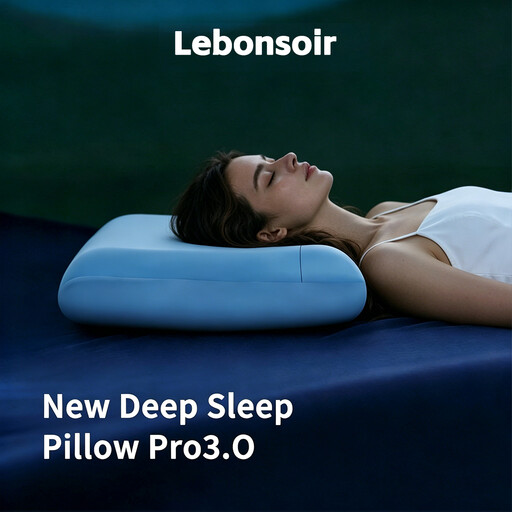
Why It Stands Out: This pillow is distinguished by its 3-layer foam construction. According to the manufacturer, the combination of a soft top layer, a supportive middle layer, and a stable base layer provides a fine-tuned balance of comfort and support. The ergonomic contour is engineered to deliver targeted relief to the neck and shoulders.
Benefits:
Who It's For: Individuals seeking a neck support pillow with a well-defined shape to specifically stabilise the neck and shoulder area, especially side and back sleepers.
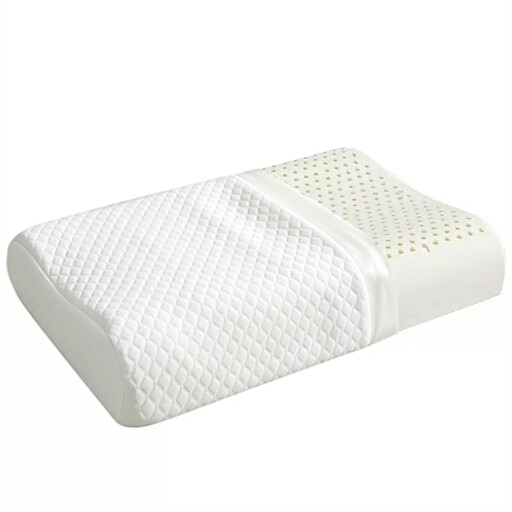
Why It Stands Out: This pillow is made from high-resilience latex, a material known for its durability and point elasticity. Unlike memory foam, latex provides buoyant support and instantly returns to its shape. The open-cell structure of latex also promotes excellent air circulation.
Benefits:
Who It's For: Sleepers who prefer a responsive and supportive feel and tend to sleep hot. It's ideal for those who find memory foam pillows too slow to respond.
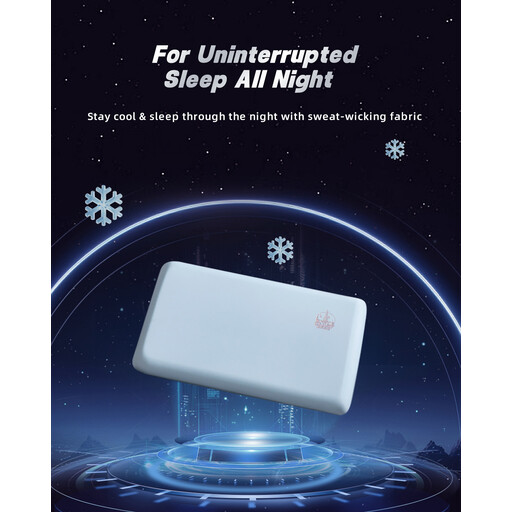
Why It Stands Out: This model from MENDALE is designed as an ergonomic neck support pillow that also features cooling properties. The combination of supportive memory foam and temperature-regulating technology addresses two common sleep problems at once: lack of support and overheating.
Benefits:
Who It's For: Individuals who tend to overheat at night but don't want to sacrifice the pressure-relieving and supportive benefits of an ergonomic memory foam pillow.
While a specialised neck pillow is crucial for sleep, overall comfort in your living space also contributes to relaxation. If you're looking for other supportive cushions, such as for your reading nook or lounge area, you may find suitable products in our Lounge Floor Cushions collection.
The most critical factor is that the pillow keeps your cervical spine in a neutral, straight alignment. Pay attention to the appropriate height for your sleeping position (higher for side sleepers, lower for back sleepers), a material that matches your comfort preferences (pressure-relieving foam or buoyant latex), and a shape that adequately supports your neck.
For diagnosed conditions like cervical spine syndrome, the choice of pillow is highly individual and should ideally be made in consultation with a doctor or physical therapist. In general, pillows with an anatomical shape that stabilise the cervical spine can be beneficial. A neck support pillow with a pronounced contour for the neck can be helpful. It is important that the head does not bend to the side or hyperextend backwards.
An adjustment period of a few days to two weeks is normal. Your body, especially the neck and shoulder muscles, needs time to adapt to the new, correct posture. For the first few nights, the pillow may feel unusual or even uncomfortable before its positive effects become apparent.