Lieferung heute & morgen

Qualitätsgarantie

Willkommens-Angebote freischalten: KOSTENLOSE Lieferung | Bis zu 80 % RABATT | Kostenlose 30-Tage-JoyPlus-Testphase
App herunterladen
Daily life is defined by transitions. These are the quiet moments between appointments, the train ride after a long day at work, or the calm minutes before falling asleep. In these interstitial spaces, the body seeks balance and support. It is often during these phases that we carry unconscious tension in our neck and shoulders—a physical reminder of the day's focus and posture. The conscious design of these transitions thus becomes a subtle art form, an act of self-care that often begins with the simplest of objects.
The human cervical spine is a complex structure, designed to support the head while allowing for a high degree of mobility. However, the modern lifestyle, marked by long hours at a desk and the use of digital devices, often leads to static strain that disrupts this natural function. The result is tension that can spread to the shoulder and back areas. A thoughtfully designed neck support pillow is therefore more than just a travel accessory; it is a tool for restoring ergonomic balance.
The philosophy behind a quality orthopaedic pillow is based on the principle of targeted support. The goal is to fill the gap between the head, neck, and shoulders to keep the spine in a neutral position. This applies not only during sleep but also during seated rest periods. Materials play a crucial role here. A memory foam pillow, for example, reacts to body heat and pressure, adapting to individual contours and distributing weight evenly. This quality makes it an excellent choice for an ergonomic pillow designed for both back and side sleepers. A side sleeper pillow requires a specific height and firmness to prevent the head from tilting to the side and overextending the cervical spine. The choice of the right pillow thus becomes a conscious decision for one's own physical integrity.
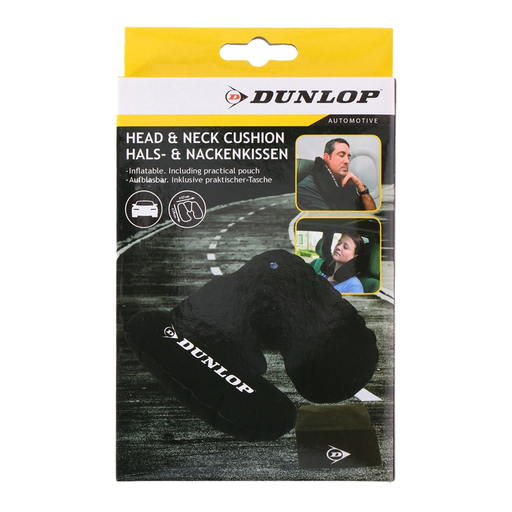
The evolution of the neck pillow reflects a growing awareness of well-being. Once known primarily as an inflatable travel pillow for long flights, it has developed into a versatile object that has also found its place in the home environment. Modern designs integrate advanced materials and shapes that go beyond mere support. One example is the 5five Ergonomic Gel Memory Pillow 50 x 30 cm, which combines the adaptive properties of memory foam with the temperature-regulating effect of a gel element. Such pillows are not just for the night; they can also provide relief while reading on the sofa or during a short afternoon break.
For a more active form of regeneration, solutions exist that go beyond passive support. A massage pillow can specifically help to release muscle tension. Models like the SKG T1-2 Pro Massage Pillow use rotating massage heads that simulate human kneading movements, often supplemented by an optional heat function. Such a device can help relax muscles and promote circulation after a strenuous day at the office or after sports. It acts as a bridge between tension and relaxation, becoming an integral part of an evening ritual.
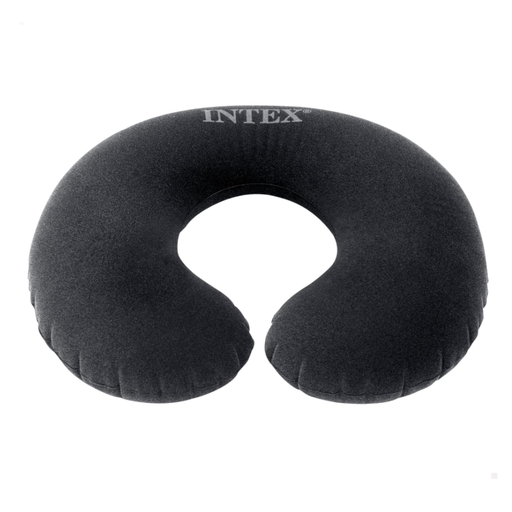
The concept of ergonomic comfort also extends to the youngest members of the family. Especially when travelling in a car or stroller, stable and secure head positioning is important. Supports specially designed for children, like the DOOKY Headrest Pillow Grey, provide a soft yet stable environment that protects the sensitive neck area. At the same time, the classic U-shaped neck pillow type, such as the JORDAN&JUDY Travel U-Shaped Neck Pillow, remains an indispensable companion for on the go. Its simple yet effective U-shape stabilises the head while sitting, allowing for short, restful periods of calm in the car and plane.
For those who wish to explore a wider selection of objects curated to these material and design standards, the full directory of Contoured Neck Support Pillows offers further inspiration.