
Lieferung heute & morgen

Qualitätsgarantie

Willkommens-Angebote freischalten: KOSTENLOSE Lieferung | Bis zu 80 % RABATT | Kostenlose 30-Tage-JoyPlus-Testphase
App herunterladen
Persistent tension in the neck and shoulder area is a familiar problem for many, especially after long days at a desk or intense physical activity. A neck and shoulder massager promises relief, but the market can be overwhelming. Many products make lofty promises that they often fail to deliver in practice.
As your Joybuy Product Recommendation Officer, I'm here to help you separate the good from the bad. Instead of falling for marketing hype, you should focus on objective criteria. In this guide, I'll show you the most common pitfalls to avoid and what truly matters when finding the right device for your needs.
Before you make a decision, it's important to understand the most common issues that lead to disappointment and wasted money.
To find a device that provides long-term relaxation, you should examine the following technical parameters.
The type of massage is the most important criterion and should match your intended use.
A neck massager with a heat function can significantly enhance the effectiveness of the massage. Heat promotes blood circulation, which relaxes the muscles and makes them more receptive to the mechanical treatment. Pay attention to the following points:
The choice between a corded and a cordless massager depends on your usage habits.
Here are some recommendations tailored to specific user profiles and their needs.
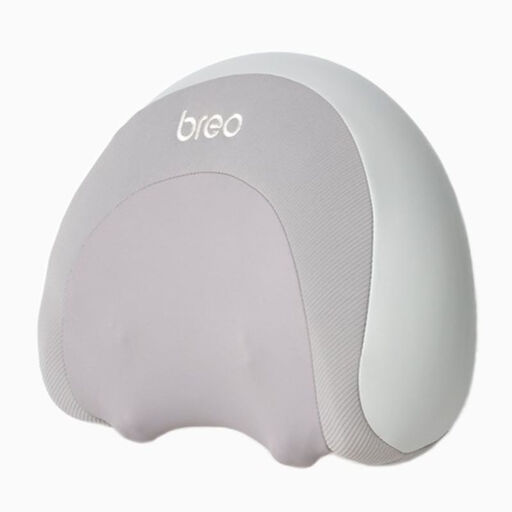
Why It's a Good Fit: Ideal for those who spend a lot of time sitting. The ergonomic wave design not only supports the neck but also conforms to the lumbar region. It's designed for use while lying down or sitting, making it perfect for a break at your desk or on the sofa.
The Breo P2 avoids the "one-size-fits-all" trap with its flexible 15° swing technology. The massage heads actively adapt to the unique contours of your neck and shoulders instead of remaining fixed in one position.
Dual-level heating system (40–45°C) with an NTC sensor for precise temperature control. Three modes, including a heat-only mode for nighttime use.
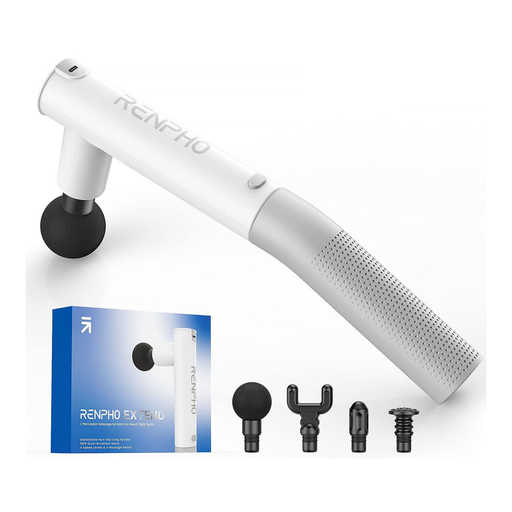
Why It's a Good Fit: This massage gun is designed for the deep-tissue massage that athletes need for muscle recovery. The detachable extension handle is a key advantage for independently treating hard-to-reach areas on the back and shoulders.
This device avoids the trap of misleading performance specs. Instead of focusing solely on RPM, it delivers an effective percussion massage to treat deep muscle layers. The four interchangeable heads allow for targeted application rather than a useless variety of functions.
Five adjustable speed levels for customized intensity. Up to 2.5 hours of battery life and fast charging via USB-C.
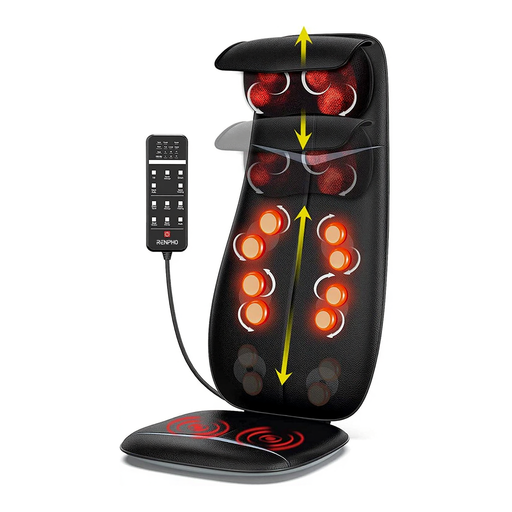
Why It's a Good Fit: This pad transforms almost any chair into a massage chair. It covers the entire back as well as the neck and shoulder area, making it a solution for the whole family or for individuals suffering from discomfort in multiple body regions.
The S-shaped design conforms to the natural curvature of the spine, thus avoiding the ergonomics trap. The neck area is height-adjustable to accommodate different body sizes. The zone selection (full, upper, lower back) prevents it from being overloaded with useless programs.
Combines Shiatsu, kneading, rolling, vibration, and heat. Spot massage function for targeted treatment. Fits on most chairs.
We've compiled a complete, up-to-date list of products that fully meet these strict selection criteria and safety regulations.
1. How often and for how long should you use a neck massager? Most manufacturers recommend a usage time of 15 to 20 minutes per session. Many devices have an automatic shut-off function to prevent overstimulation of the muscles. Depending on individual sensitivity and needs, the device can be used once or twice a day. However, for severe or persistent pain, you should seek medical advice.
2. What should I look for in a neck massager with a heat function? Ensure that the heat function can be turned on separately and is ideally adjustable in intensity. An important safety feature is overheat protection. The device should never be used directly on bare skin to avoid skin irritation or burns. A thin t-shirt between the skin and the device is recommended.
3. Can a massager replace a professional therapist? Electric massagers are a great supplement for relieving everyday tension and promoting relaxation. However, they cannot replace professional physical therapy or medical treatment, especially for chronic conditions, injuries, or diagnosed musculoskeletal disorders. They serve to alleviate symptoms, not to treat the underlying cause.