
Lieferung heute & morgen

Qualitätsgarantie

Willkommens-Angebote freischalten: KOSTENLOSE Lieferung | Bis zu 80 % RABATT | Kostenlose 30-Tage-JoyPlus-Testphase
App herunterladen
By Joybuy Product Recommendation Officer, August 28, 2026
Nightly neck pain and morning tension are widespread issues that can significantly impact your quality of life. An unsuitable pillow is a common culprit. The market for neck support pillows promises a quick fix, but the selection is overwhelming and full of marketing promises. Before you make a purchase, it's crucial to understand the common pitfalls that often lead to a bad buy.
Many pillows marketed as a solution for neck pain can actually make the problem worse. Watch out for these three common traps:
To find a suitable neck support pillow that ensures an ergonomic sleeping position in the long run, you should focus on verifiable criteria.
The most important feature of a pillow is its ability to position the head so that the spine forms a straight line from the cervical spine to the pelvis.
An ergonomic pillow or a so-called orthopaedic pillow is characterized by a wave-like shape or a specialised cutout to meet these different requirements.
The material determines comfort, support, and durability.
Based on these objective criteria, we have identified some products that represent a considered choice for different user profiles.
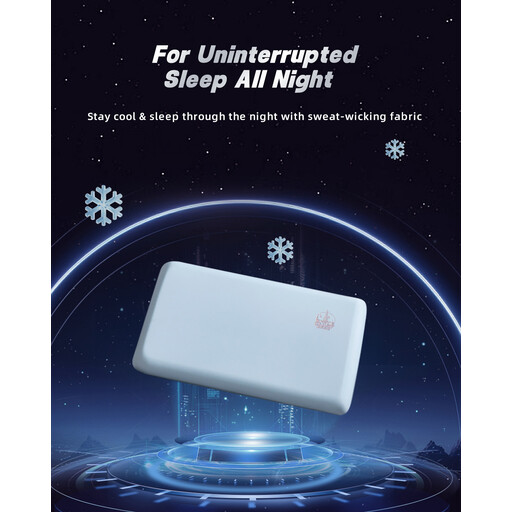
Why This Fits Their Persona: Ideal for those who want to try the benefits of an ergonomic pillow without a major investment. The flatter 8 cm profile is well-suited for back sleepers or side sleepers with narrower shoulders.
This pillow bypasses the "one-size-fits-all" trap by offering a clearly defined, lower height of 8 cm. This allows users to make a conscious choice rather than relying on a vague universal promise.
Offers the core benefits of memory foam and an ergonomic shape at an accessible price point. The cover is removable and washable.
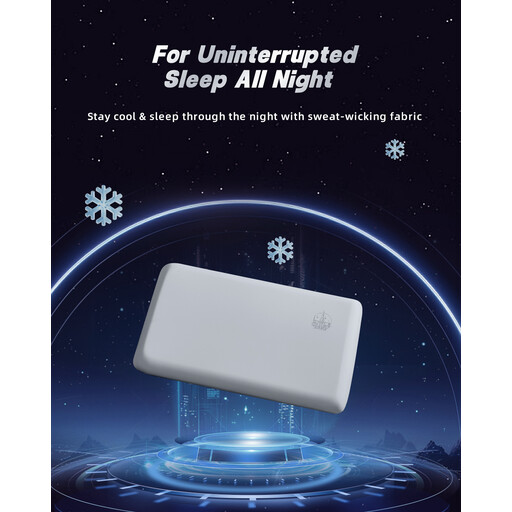
Why This Fits Their Persona: Specifically for side sleepers or individuals with broader shoulders who need more height to keep the spine aligned. The 10 cm profile effectively fills the space between the shoulder and head.
This model directly addresses the problem of incorrect pillow height. With a specific height of 10 cm, it provides a concrete solution for a defined user group, rather than being a vague universal fix.
The taller profile provides stable support for the side sleeping position. The material is designed as a cooling pillow, which further enhances sleep comfort.
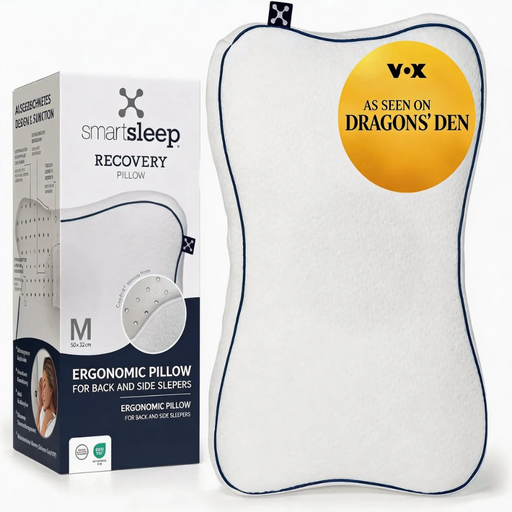
Why This Fits Their Persona: Suitable for athletes and health-conscious individuals who value material quality and an optimised sleep climate to promote recovery. Its suitability for both back and side sleepers makes it versatile.
This pillow avoids the material hype by focusing on verifiable features: the viscoelastic foam core has integrated air channels for climate regulation and is OEKO-TEX certified.
Focus on breathability and certified, pollutant-tested materials. The ergonomic shape with a head cradle is designed for both back and side sleepers.
A suitable pillow is a very personal decision. If the models presented here don't exactly meet your requirements, you can find more options in our full category.
1. How long does it take to get used to a neck support pillow? An adjustment period of 3 to 14 days is normal. Your body needs to adapt to the new, correct sleeping posture. It can be helpful to use the pillow for only a few hours during the first few nights and gradually increase the duration until you are fully accustomed to it.
2. How high should my ergonomic pillow be? For side sleepers, a good rule of thumb is to measure the distance from the side of your neck to the outer edge of your shoulder. The pillow should fill this gap. For back sleepers, a lower profile is usually better to prevent the neck from bending forward. Pay attention to the manufacturer's specifications, which often provide recommendations based on body size and preferred sleeping position.
3. How often should you replace a memory foam pillow? The lifespan of a memory foam pillow depends on the quality of the foam. High-quality models typically retain their supportive properties for 2 to 3 years. Visible, permanent indentations, a loss of supportive function, or crumbling material are clear signs that a replacement is necessary.