
Lieferung heute & morgen

Qualitätsgarantie

Willkommens-Angebote freischalten: KOSTENLOSE Lieferung | Bis zu 80 % RABATT | Kostenlose 30-Tage-JoyPlus-Testphase
App herunterladen
A stiff neck in the morning or pain after a long car journey are common ailments. A neck support pillow is often touted as a quick fix, but the market is overwhelming and full of products that don't live up to their promises. As your Joybuy Product Recommendation Officer, I'll help you identify the crucial features and avoid typical purchasing traps.
Many buyers invest in a pillow only to find it makes the situation worse. This is often due to common, yet rarely discussed, product flaws.
To make an informed decision, you should focus on objective criteria rather than marketing promises.
The material determines the pillow's durability and functionality. Memory foam pillows, also known as viscoelastic foam, are a popular choice as they adapt to the contours of your head and neck through body heat and pressure.
The quality can be determined by its density (RG), measured in kilograms per cubic metre (kg/m?).
Also, look for open-cell structures or integrated air channels, which ensure better air circulation and a more pleasant sleeping climate.
An ergonomic pillow should support the natural S-curve of the spine, not deform it. The ideal shape and height depend directly on your preferred sleeping position.
A so-called orthopaedic pillow is not a protected term, but it generally refers to a design aimed at ensuring the anatomically correct alignment of the cervical spine.
Different situations require different solutions.
Instead of making a blanket recommendation, we have identified products that are particularly well-suited for specific user profiles and their requirements.
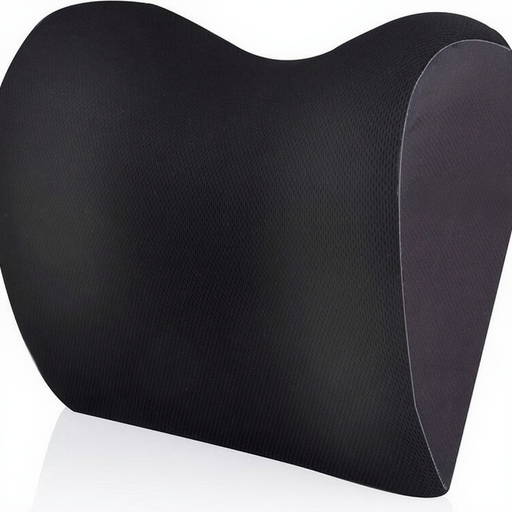
Why this product is a match: Designed for the specific demands of being in a car. It supports the neck in an upright position and prevents signs of fatigue on long journeys.
It's not a repurposed sleep pillow, but a dedicated car neck pillow. The design is tailored to the shape of car seats and an upright posture.
Made of 100% memory foam for excellent adaptation and pressure relief. The adjustable strap ensures secure and correct positioning on the headrest.
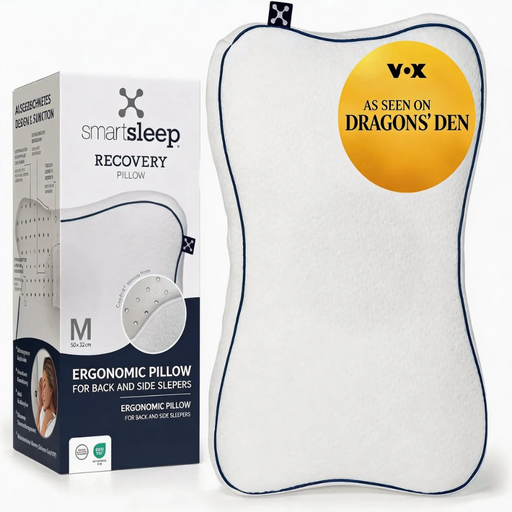
Why this product is a match: For users seeking an anatomically correct sleeping position to relieve tension and who value certified materials.
It bypasses the "one-size-fits-all" trap with a specific ergonomic shape featuring a head cradle, designed for both back and side sleepers.
The material is certified according to Oeko-Tex Standard 100, meaning it's tested for harmful substances. Integrated air channels in the foam core support temperature regulation.
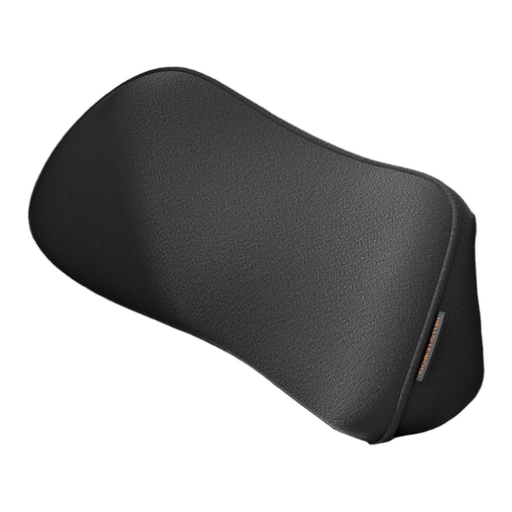
Why this product is a match: Ideal for drivers who want to prevent not only neck but also back pain while sitting and are looking for targeted support for the lumbar region.
This lumbar pillow specifically targets the lumbar spine instead of promising vague "back support." Its shape is designed to precisely fill the gap in a car seat.
The structure provides targeted support for the coccyx and lumbar muscles. The breathable suede cover and non-slip design ensure comfort and stability.
We have compiled a complete, up-to-date list of products that meet these strict selection criteria and applicable safety regulations.
An adjustment period of a few days to a week is normal. Your body, especially your neck and shoulder muscles, needs to adapt to the new, corrected posture. Start by using it for shorter periods and gradually increase the duration.
The memory foam core should generally not be machine-washed or put in a dryer, as this will destroy the material's structure. Usually, only the cover is washable. Please refer to the manufacturer's care instructions. The foam core itself can be aired out in a well-ventilated, shaded area to eliminate odours.
The pillow height should correspond to the distance between your cheek and the outside of your shoulder. The goal is for your spine to form as straight a line as possible from the cervical spine to the pelvis. A pillow that is too high or too low will lead to an unnatural curve and can cause tension.