
Lieferung heute & morgen

Qualitätsgarantie

Willkommens-Angebote freischalten: KOSTENLOSE Lieferung | Bis zu 80 % RABATT | Kostenlose 30-Tage-JoyPlus-Testphase
App herunterladen
By Joybuy Product Recommendation Officer, 28 August 2026
Restful sleep is the foundation for a productive day. Yet, many people regularly wake up with a stiff neck or tension. A common reason for this is an unsuitable pillow. A neck support pillow promises relief, but the market is confusing and full of marketing promises. Before you make a decision, it's important to know the most common pitfalls that can lead to a bad purchase.
This guide will help you identify the crucial features and find a pillow that truly fits your needs.
The selection is vast, but not every pillow advertised as "ergonomic" delivers on its promise. Pay special attention to these two points to avoid a poor investment:
To find a suitable ergonomic neck pillow, you should focus on verifiable characteristics. These three parameters are crucial for function and longevity.
The core of many neck support pillows is viscoelastic foam, also known as Memory Foam. This material reacts to body heat and pressure, adapting to the contours of your head and neck. A crucial quality feature here is the density (RG), specified in kg/m?.
A higher density is often an indicator of a more durable product that will maintain its supportive properties over a longer period.
The shape of the pillow must match your primary sleeping position to keep the cervical spine in a neutral, straight line.
A good orthopaedic pillow is therefore not universal, but tailored to a specific sleeping position and body shape.
A memory foam pillow tends to retain heat. To prevent heat buildup, integrated air channels in the foam core or breathable cover fabrics are crucial. Look for a removable and washable cover to ensure good hygiene. For allergy sufferers, certifications like OEKO-TEX Standard 100 are also relevant, guaranteeing that the product has been tested for harmful substances.
Based on the objective criteria mentioned above, we have compiled a selection of products for different user groups.
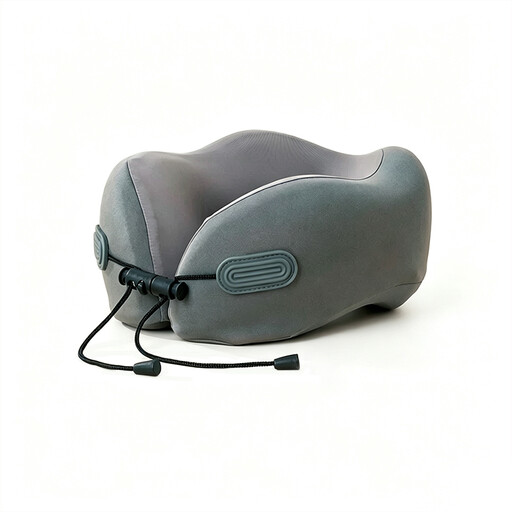
Why This Fits Their Persona: Ideal for individuals seeking reliable neck support for travel by plane, train, or car. The U-shaped design is specifically engineered to stabilise the head while sitting upright.
This pillow bypasses the "one-size-fits-all" trap because it's not designed for nightly sleep in bed, but for a clearly defined use case: providing support while seated.
Compact, portable design. Offers targeted support to prevent the head from tilting sideways during travel.
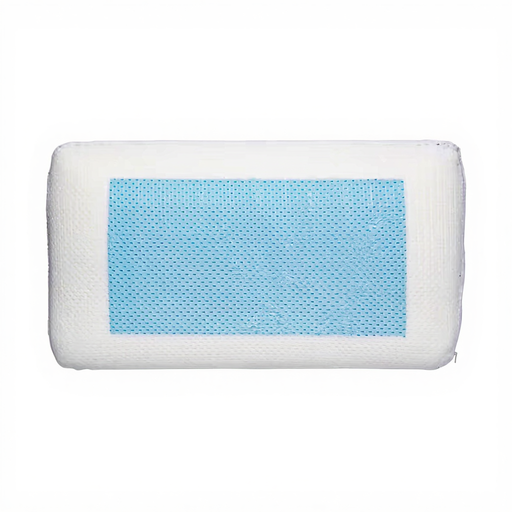
Why This Fits Their Persona: A great choice for those trying an ergonomic pillow for the first time without a large budget. It offers the fundamental benefits of memory foam in a classic shape.
This pillow focuses on the core function—ergonomic support via memory foam—and forgoes costly extra features. The washable cover is a practical, transparent feature.
Solid value for money. The cover is removable and washable for easy cleaning, which simplifies hygiene.
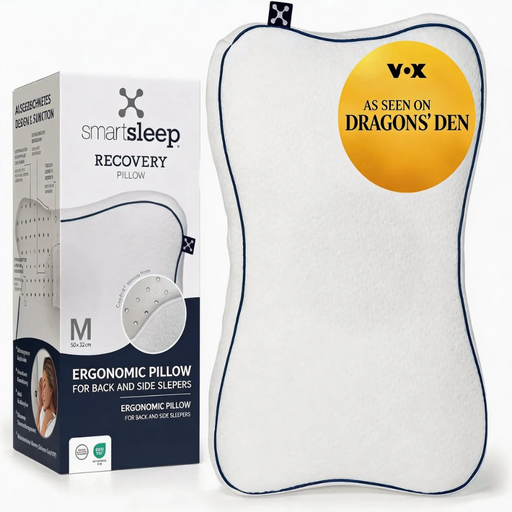
Why This Fits Their Persona: Designed for individuals who want to specifically improve their sleep quality, especially back and side sleepers. The focus is on recovery, breathability, and certified materials.
Instead of vague promises, this pillow delivers clear facts: it is explicitly shaped for back and side sleepers and has verifiable features like integrated air channels and an OEKO-TEX certification.
Optimal air circulation through integrated channels. The materials are tested for harmful substances according to OEKO-TEX, making it suitable for sensitive individuals.
We've compiled a complete, up-to-date list of products that fully meet these strict selection criteria and safety regulations.
The body often needs some time to get used to the new, corrected sleeping posture. An adjustment period of one to two weeks is normal. During the first few nights, it might feel unusual or even cause slight tension as the muscles adapt. It is recommended to initially use the pillow for only a few hours per night and gradually increase the duration.
The foam core itself should generally not be machine washed or put in the dryer, as this can damage the material's structure. Most memory foam pillows have a removable cover that can be washed according to the instructions on the care label. If necessary, you can gently dab the core with a slightly damp cloth and then let it air dry completely. Avoid direct sunlight and heat.
The lifespan of a neck support pillow depends on the quality of the material (especially the density) and its usage. For hygiene reasons and because the supportive force diminishes over time, it is recommended to replace a pillow every two to three years. A clear sign that a replacement is needed is when the pillow shows visible indentations or no longer returns to its original shape after pressure is removed.