
Lieferung heute & morgen

Qualitätsgarantie

Willkommens-Angebote freischalten: KOSTENLOSE Lieferung | Bis zu 80 % RABATT | Kostenlose 30-Tage-JoyPlus-Testphase
App herunterladen
The wrong pillow is often the silent culprit behind restless nights, tension in the neck and shoulder area, or even morning headaches. The market for neck support pillows is vast, and the sheer number of options can quickly become overwhelming. Many products promise relief, but not every pillow delivers on its promise. As your Joybuy Product Recommendation Officer, I'll help you identify the crucial features and sidestep common purchasing pitfalls.
Before we dive into the important features, let's clear up the most common misconceptions that often lead to a bad purchase.
To find a suitable pillow that delivers lasting improvement to your sleep quality, you should focus on three fundamental technical features.
The material is the primary factor determining a pillow's support properties, breathability, and longevity.
The shape of the pillow must suit your preferred sleeping position to ensure an ergonomically correct posture.
A removable and washable cover is essential for hygiene. Breathable materials like Tencel, bamboo, or cotton promote a comfortable sleep environment. Ensure the cover is washable at a minimum of 40°C, or preferably 60°C, to effectively eliminate mites and bacteria. The pillow core itself (especially memory foam or latex) should generally not be washed.
Based on the criteria above, we have curated a selection of products suitable for different user profiles and requirements.
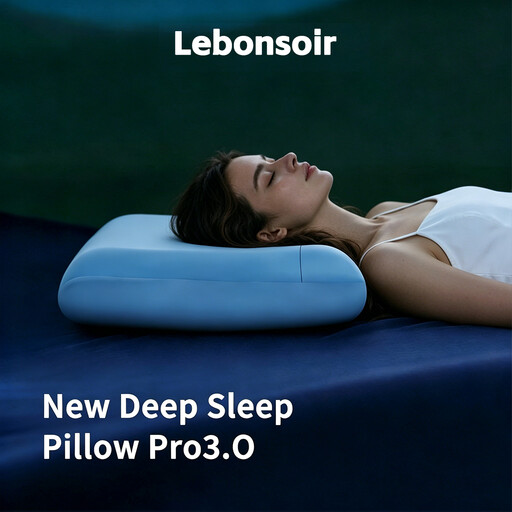
Why This Fits Their Persona: Ideal for users who want to try the benefits of an ergonomic pillow without making a large investment. It offers basic features like a contour shape and memory foam for improved sleep posture.
This pillow bypasses the "one-size-fits-all" myth with its 3-layer foam design, which offers a combination of soft adaptation and a firm base support, making it suitable for various sleeping positions.
The ergonomic contour adapts to the natural curves of the neck and shoulders. The breathable cover helps regulate temperature.
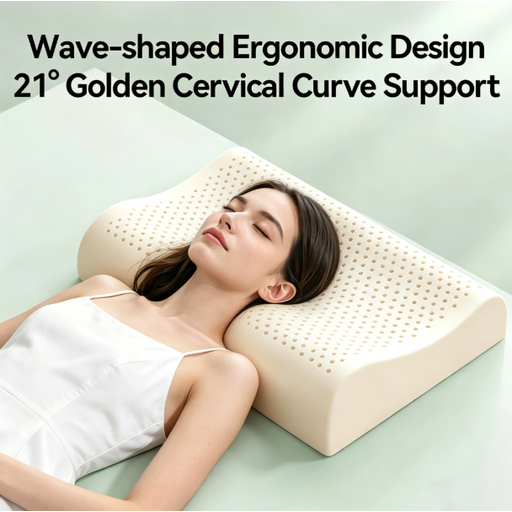
Why This Fits Their Persona: For users who value high-quality, durable, and natural materials. This pillow is designed for individuals with chronic tension who are looking for a long-lasting and breathable solution.
Instead of relying on vague marketing terms, this pillow is based on a clearly defined material: 93% natural latex from Thailand. This signifies high point elasticity and durability that goes beyond simple softness.
The ergonomic wave shape provides targeted support for the neck and head. The natural latex is inherently breathable and resistant to dust mites.
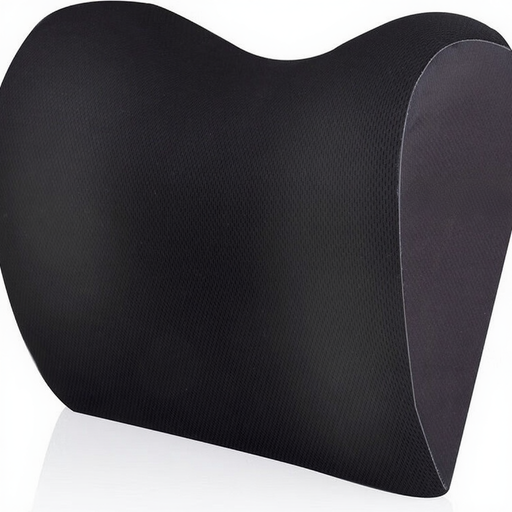
Why This Fits Their Persona: Specifically designed for people who spend a lot of time in the car and suffer from neck or shoulder stiffness during their drive. It improves seating comfort on long journeys and during daily commutes.
This is not an all-purpose sleeping pillow but a targeted solution for a specific use case. It focuses on providing correct neck support while seated, a function that regular pillows cannot fulfill.
Made from 100% memory foam, it adapts perfectly to the neck's contour. The universal fit with an adjustable strap allows for easy and secure attachment to almost any car seat.
We have compiled a complete, real-time updated list of products that fully meet these strict selection criteria and German safety regulations.
It can take anywhere from a few days to two weeks for your body to get used to the new, supportive sleeping posture. It's advisable to use the pillow for only a few hours during the first few nights and gradually increase the duration until you are fully accustomed to it.
The correct height for a side sleeper pillow should match the distance from the side of your head to the outer edge of your shoulder. This ensures the spine forms a straight line and does not bend. Measure this distance to find a product with a suitable height. Many pillows also offer removable inserts for individual height adjustment.
The lifespan heavily depends on the quality and density (RG) of the foam. As a general rule, a high-quality memory foam pillow should be replaced every 2 to 3 years. Clear signs that a replacement is needed include visible indentations, a decrease in supportive force, or if the pillow no longer returns to its original shape.