
Lieferung heute & morgen

Qualitätsgarantie

Willkommens-Angebote freischalten: KOSTENLOSE Lieferung | Bis zu 80 % RABATT | Kostenlose 30-Tage-JoyPlus-Testphase
App herunterladen
The wrong pillow can be the cause of restless nights and tension in the morning. A neck support pillow is designed to bring the cervical spine into a neutral position, thereby relieving muscle strain. However, the market is saturated, and many products don't live up to their promises. This guide will help you avoid common purchasing pitfalls and understand the key features for making an informed choice.
Before you make a decision, it's important to be aware of common marketing promises and product flaws that often lead to a poor purchase.
To find the right pillow, you should focus on objective and verifiable criteria. The following three parameters are crucial for function and durability.
The core of any neck support pillow is its material. Memory foam pillows, also known as visco-elastic pillows, are widespread. This thermo-elastic foam reacts to body heat and pressure, allowing it to precisely conform to the contours of your head and neck.
A crucial quality indicator is the foam density, measured in kilograms per cubic meter (kg/m?). It describes the density of the foam used.
For individuals prone to sweating, models with gel-foam layers or an open-cell structure are a worthwhile alternative, as they dissipate heat more effectively.
An ergonomic pillow is shaped to support the natural S-curve of the cervical spine. Many models feature a wave-like contour with two sides of different heights to accommodate various needs.
Choosing the right height is fundamental and depends on your primary sleeping position:
A good orthopedic neck pillow should fill the gap between your neck and the mattress without unnaturally elevating your head.
Look for recognized quality seals like the OEKO-TEX STANDARD 100. This label ensures that all components of the pillow have been tested for harmful substances and are harmless to your health. This is particularly relevant for allergy sufferers and health-conscious individuals. The pillow cover should also be removable and washable at a minimum of 40°C to ensure good hygiene.
Based on the criteria mentioned, we have identified some products that are suitable for different user profiles.
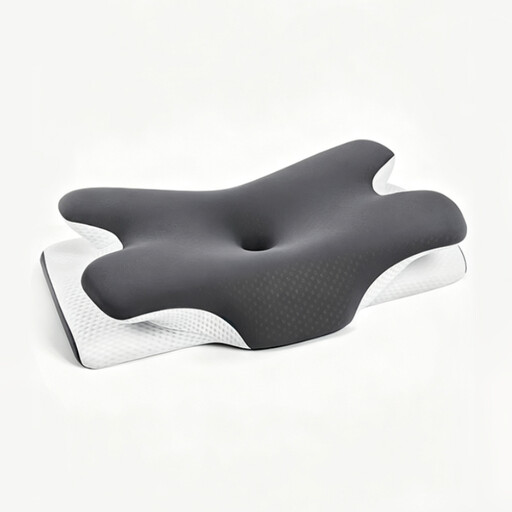
Why This Fits Their Persona: Ideal for users who want to try the benefits of a memory foam pillow without making a significant investment. It provides the basic functionality for improved neck support.
This pillow is made from a solid block of shape-retaining foam, thus avoiding the pitfall of unstable shredded fills that clump quickly.
Good value for money; shape-retaining memory foam with a "slow rebound" effect.
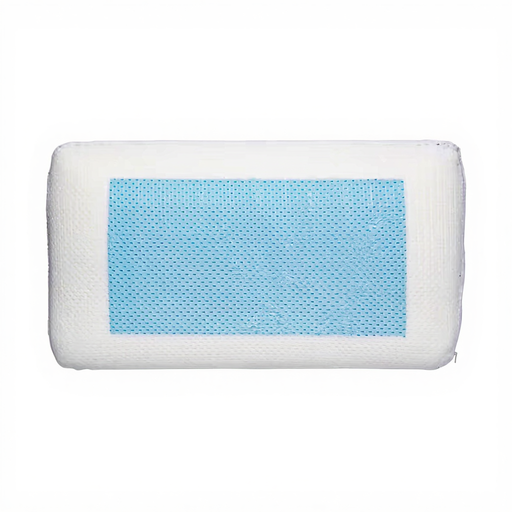
Why This Fits Their Persona: Suitable for people who find conventional memory foam pillows too warm. The integrated gel layer aims to regulate temperature and provide a cooler sleeping experience.
This pillow directly addresses the heat buildup trap by combining memory foam with a cooling gel component.
Integrated gel layer for temperature management; ergonomic shape to support the neck.
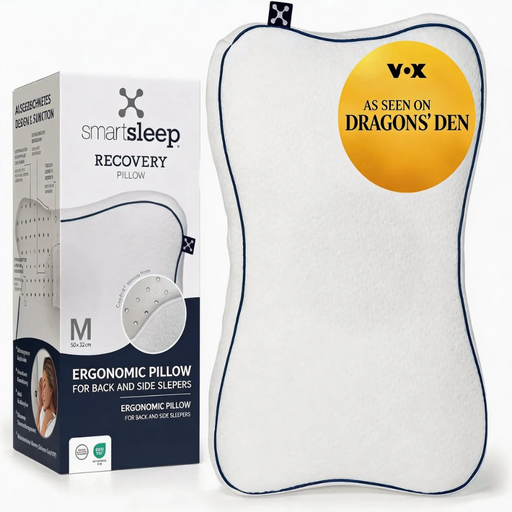
Why This Fits Their Persona: Designed for users seeking precise ergonomic customisation. The special shape with a head cradle and integrated air channels is tailored to the needs of back and side sleepers.
The specific design for certain sleep types avoids the "one-size-fits-all" trap. Integrated air channels counteract heat buildup.
Specific ergonomic shape with a head cradle; integrated ventilation channels; OEKO-TEX certified materials.
Your body often needs some time to get used to the new, corrected sleeping posture. Plan for an adjustment period of a few nights up to two weeks. During the first few nights, it might feel unusual or even cause slight tension as your muscles adapt to the new support.
The ideal height depends on your sleeping position and body type. As a rule of thumb for side sleepers: the pillow should be high enough that your spine forms a straight line from your cervical spine to your pelvis. To determine this, measure the distance from the side of your neck to the outer edge of your shoulder. For back sleepers, a flatter pillow is usually more suitable to prevent overextending the neck.
The foam core itself is generally not washable. Air out the pillow regularly to release moisture. The removable cover should be washed according to the manufacturer's instructions (usually at 40°C or 60°C) to ensure hygiene and freshness. Avoid exposing the foam core to direct sunlight or heat, as this can damage the material.