
Lieferung heute & morgen

Qualitätsgarantie

Willkommens-Angebote freischalten: KOSTENLOSE Lieferung | Bis zu 80 % RABATT | Kostenlose 30-Tage-JoyPlus-Testphase
App herunterladen
Do you regularly wake up with a stiff neck or shoulder pain? The cause could be your choice of pillow. An unsuitable pillow can force your cervical spine into an unnatural position at night, leading to tension and restless sleep. However, the market for neck support pillows is crowded and full of marketing promises. As your Joybuy Product Recommendation Officer, I'll help you identify the crucial features and avoid common purchasing pitfalls.
Before you make a decision, it's important to know the typical traps that often lead to a bad buy.
To find a suitable ergonomic pillow, you should focus on objective criteria rather than marketing slogans.
The fill material significantly determines the pillow's support properties, breathability, and durability.
An orthopaedic pillow is designed to support the natural S-curve of the cervical spine.
Your preferred sleeping position is the most important guide for choosing the right pillow height and firmness.
Here are some recommendations tailored to specific user profiles and their requirements.
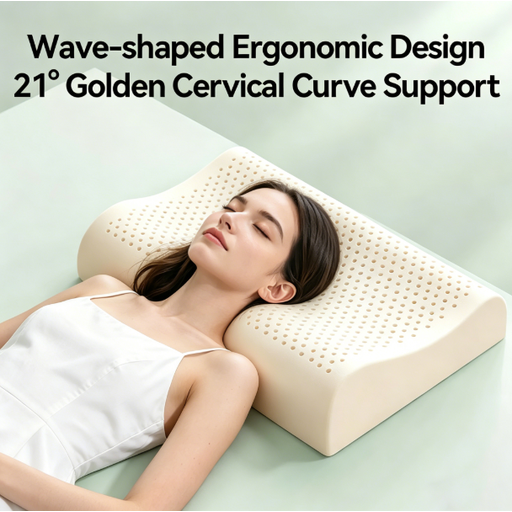
Why it's a great fit: The ergonomic wave shape with two heights (10/12 cm) is specifically designed for the needs of side sleepers to keep the spine straight. The latex material provides stable yet elastic support.
This pillow is not a "one-size-fits-all" solution. Its specific shape and dual heights are targeted for correct neck alignment in the side-sleeping position.
Made from 93% natural latex, it is durable, retains its shape, and is naturally breathable, which helps prevent heat build-up.
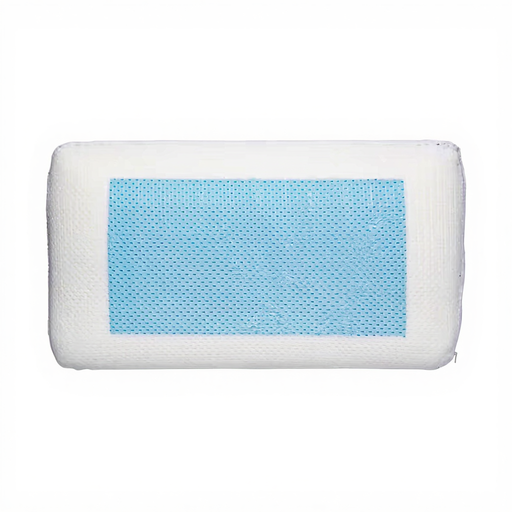
Why it's a great fit: This pillow combines the pressure-relieving properties of memory foam with a gel layer that actively helps regulate temperature, ensuring a cooler sleep environment.
It directly addresses the disadvantage of heat retention common in basic memory foam pillows by integrating a specific cooling technology.
The combination of gel and memory foam offers both pressure relief and a more comfortable sleep climate for those prone to sweating.
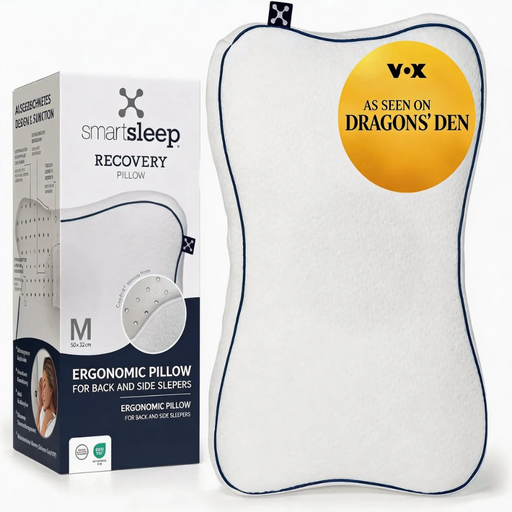
Why it's a great fit: The ergonomic shape with a head cradle is designed for back and side sleepers. Integrated air channels and materials tested for harmful substances (according to Oeko-Tex Standard) appeal to quality-conscious buyers.
Instead of a generic shape, this pillow offers a thoughtful contour for proper alignment in various sleeping positions and actively addresses breathability with its air channels.
The combination of ergonomic design, improved air circulation, and certified materials provides a well-rounded, thoughtful solution.
We have compiled a complete, up-to-date list of products that meet these strict selection criteria and comply with current regulations.
1. How long does it take to get used to a new neck support pillow? The adjustment period can last from a few days up to two weeks. Your body needs time to adapt to the new, correct support. It can be helpful to initially use the new pillow for only a few hours per night and gradually increase the duration.
2. What is the lifespan of an ergonomic pillow? Durability heavily depends on the material. High-quality latex or memory foam pillows typically retain their supportiveness for about 2 to 3 years. Pillows with fibre fillings should often be replaced sooner. Visible sagging or a noticeable loss of support are clear signs that a replacement is necessary.
3. Can a neck support pillow make my neck pain worse? Yes, if it has the wrong height or firmness for your sleeping position and body type. An unsuitable pillow can even worsen poor posture. That's why individual selection is so crucial. If the pain persists or worsens after a reasonable adjustment period, the pillow is likely not the right one for you.