
Lieferung heute & morgen

Qualitätsgarantie

Willkommens-Angebote freischalten: KOSTENLOSE Lieferung | Bis zu 80 % RABATT | Kostenlose 30-Tage-JoyPlus-Testphase
App herunterladen
A stiff neck in the morning is more than just an annoyance—it can significantly impact your quality of life. The market for neck support pillows promises relief, but the sheer volume of options and marketing claims makes the choice difficult. Many products don't deliver on their promises, leading to disappointment and unnecessary expense.
As your Joybuy Product Recommendation Officer, I'll help you recognise the common pitfalls and make an informed decision. Instead of falling for exaggerated advertising claims, we'll focus on the crucial, objective features that define a good pillow.
The 3 most common pitfalls when buying a pillow:
To avoid a bad buy, you should focus on verifiable technical specifications. These three factors are crucial for the longevity and functionality of a neck support pillow.
Foam density, specified in kg/m?, is a key quality indicator for memory foam pillows. It describes how much material was used per cubic metre of foam. A higher density generally means better dimensional stability, superior support, and a longer lifespan.
Look for this specification in the product details to separate the wheat from the chaff.
An ergonomic pillow isn't just a marketing term; it describes a shape tailored to a specific sleeping position. The goal is to ensure the correct alignment of the cervical spine.
A good sleep climate is essential. Instead of relying on short-lived gel effects, pay attention to the pillow's structure. Vertical air channels integrated into the foam core promote air circulation and effectively dissipate heat and moisture.
The pillow cover also plays an important role. It should be removable and washable at a minimum of 40°C. Materials like Tencel, bamboo, or cotton are breathable. For allergy sufferers, covers certified according to Oeko-Tex Standard 100 are a great choice, as they are tested for harmful substances.
Here are some recommendations tailored to specific user profiles and the quality criteria mentioned above.
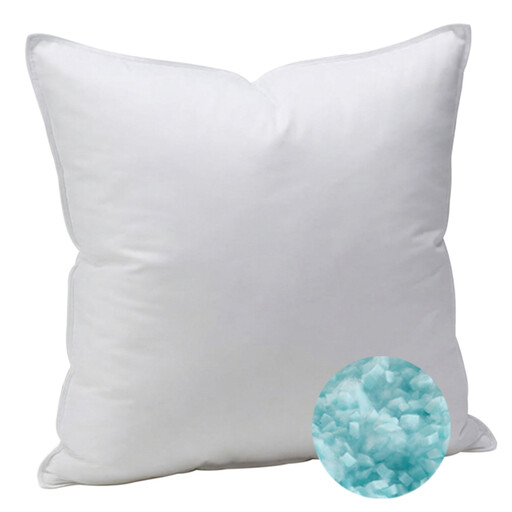
Why This Fits Their Persona: Perfect for users who want to try the benefits of memory foam without a major investment. The shredded foam filling can be individually adjusted, making it a flexible entry-level option.
This pillow avoids the "one-size-fits-all" trap by not having a rigid shape. By adding or removing the filling, the user can determine the height and firmness themselves.
Adjustable filling for personalised comfort; hypoallergenic cover; excellent value for money, especially with promotions like "buy one, get one free."
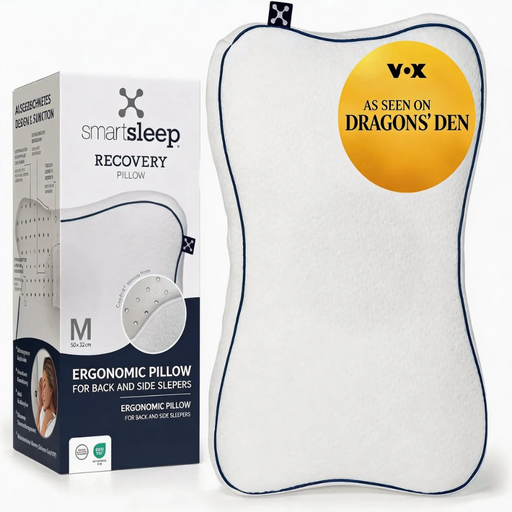
Why This Fits Their Persona: For users who are specifically investing in sleep quality and recovery. This pillow offers a clearly defined ergonomic shape and uses certified, high-quality materials.
It makes no vague universal promise; instead, it is specifically designed for back and side sleepers. Rather than a gimmick, it relies on integrated air channels for genuine breathability.
Defined ergonomic shape with a head cradle; Oeko-Tex certified materials, suitable for sensitive individuals; viscoelastic foam with air channels for temperature regulation.
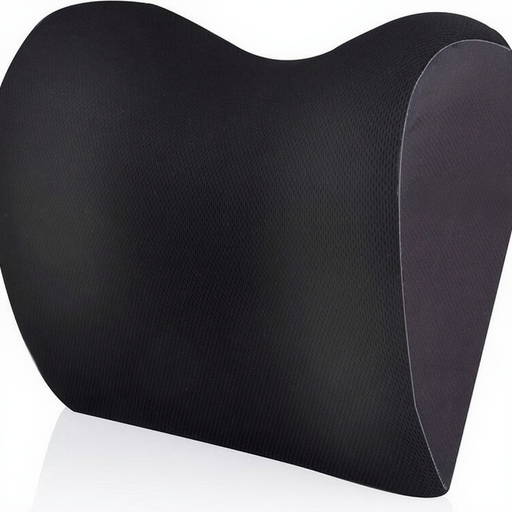
Why This Fits Their Persona: This pillow is specifically designed for ergonomic support in the car. It helps reduce neck tension during long drives or daily commutes.
As a specialised car neck pillow, it is not marketed as an all-purpose solution for the bed. Its purpose is clearly defined, which helps it avoid the trap of being a poor compromise.
Made of 100% memory foam for excellent pressure relief; universal fit for most car seats; secure attachment with an adjustable strap.
An adjustment period of 3 to 14 days is normal. Your body, especially your neck and shoulder muscles, needs to adapt to the new, corrected posture. It can be helpful to use the pillow for only a few hours on the first night and gradually increase the duration of use.
The ideal firmness depends on your sleeping position and body weight. As a rule of thumb, side sleepers and individuals with a higher body weight tend to need a firmer pillow for adequate support. Back and stomach sleepers, as well as lighter individuals, often do better with a medium-firm to softer pillow. The most important thing is that the spine forms as straight a line as possible.
The foam core itself should generally not be washed, as water can damage its structure. Instead, air out the core regularly in a shady, well-ventilated area. The cover on most models is removable and machine-washable. Always follow the manufacturer's care instructions on the label.