
Lieferung heute & morgen

Qualitätsgarantie

Willkommens-Angebote freischalten: KOSTENLOSE Lieferung | Bis zu 80 % RABATT | Kostenlose 30-Tage-JoyPlus-Testphase
App herunterladen
Restful sleep is fundamental to your well-being, yet neck and shoulder tension is a widespread problem. The right neck support pillow can provide relief by stabilising the cervical spine in a neutral position. However, the market is saturated and full of marketing promises that make an informed decision difficult.
As your Joybuy Product Recommendation Officer, I'll help you understand the crucial criteria and avoid common purchasing traps. This guide focuses on objective facts to help you find a product that truly fits your needs.
Before we dive into the important features, let's highlight the most common issues that can lead to a bad buy.
To avoid these traps, you should check three core aspects before buying. These will help you identify a durable and functional orthopedic neck pillow.
The core of any memory foam pillow is its foam. Its quality is largely determined by its density (RG), measured in kilograms per cubic meter (kg/m?).
Look for products that provide transparent information about material density. A higher density is often an indicator of a longer lifespan and better ergonomic properties.
The shape of the pillow must keep your spine in a straight line. The choice depends directly on your primary sleeping position.
A good ergonomic pillow accounts for these different requirements with a thoughtful design.
A breathable and easy-to-clean cover is essential for a comfortable sleep climate and hygiene. Look for the following features:
Here are some recommendations tailored to different user profiles that meet the criteria mentioned above.
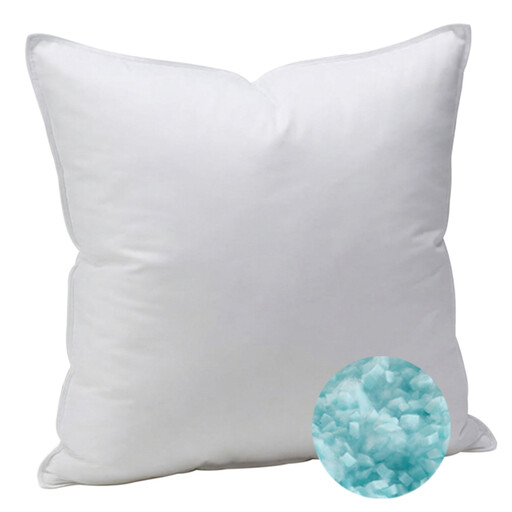
Why This Fits Their Persona: Ideal for users who want to try the benefits of memory foam without committing to a fixed shape. The shredded foam filling allows for individual adjustment of height and firmness.
It bypasses the "one-size-fits-all" trap because the filling consists of foam pieces, allowing it to adapt better to various sleeping positions than a solid block.
Adjustable fill level for custom height regulation; hypoallergenic cover.
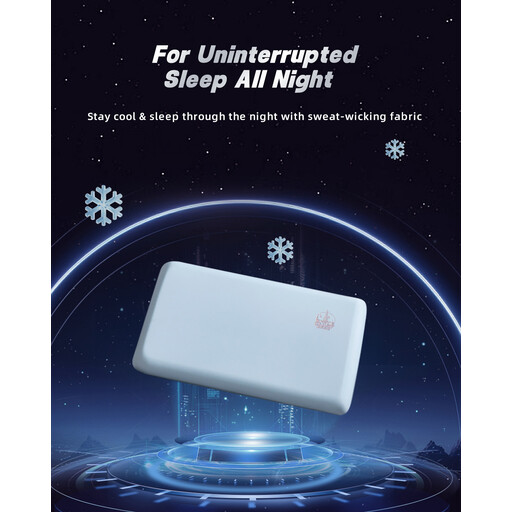
Why This Fits Their Persona: Designed for individuals who need targeted support for their cervical spine. The ergonomic wave shape with two different heights conforms to the contours of the neck and head.
This pillow offers a specific, anatomical shape instead of a vague universal promise. It directly addresses the need for correct spinal alignment.
Cervical support shape for tension relief; suitable for back and side sleepers.
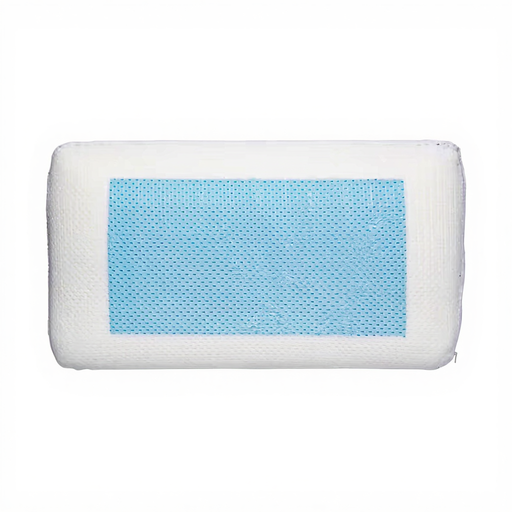
Why This Fits Their Persona: Perfect for people who tend to sweat at night or place a high value on a hygienic sleep environment. The combination of a gel layer and a washable cover meets these requirements.
It actively solves the problem of overheating with an integrated gel layer, rather than relying solely on the foam's passive breathability.
Cooling gel layer for improved temperature regulation; easy-care, washable cover.
We have compiled a complete, up-to-date list of products that fully meet these strict selection criteria and safety regulations.
Your body often needs some time to adjust to the new, corrected sleeping posture. Plan for an adjustment period of a few nights up to two weeks. It may feel unusual for the first few nights, which is normal as your muscles adapt to the new support.
The ideal height for side sleepers corresponds to the distance from the side of your neck to the outer edge of your shoulder. The goal is for your head and neck to form a straight line with the rest of your spine. Measure this distance or choose a pillow with adjustable height to find the optimal position.
The lifespan of a memory foam pillow depends heavily on its quality (especially its density) and care. High-quality pillows can retain their supportive properties for three to five years. A clear sign that a replacement is needed is when the pillow no longer quickly returns to its original shape after use or shows visible indentations.