
Lieferung heute & morgen

Qualitätsgarantie

Willkommens-Angebote freischalten: KOSTENLOSE Lieferung | Bis zu 80 % RABATT | Kostenlose 30-Tage-JoyPlus-Testphase
App herunterladen
Tension in the neck and shoulder area is a widespread problem. An improper sleeping position, long days at a desk, or uncomfortable travel can worsen the discomfort. A neck support pillow is often recommended as a solution, but the market is overwhelming and full of marketing promises. Many buyers invest in a product that doesn't improve their situation, or even makes it worse.
As your Joybuy Product Recommendation Officer, I'm here to help you avoid the typical purchasing pitfalls and make an informed decision. We will focus on the objective criteria that truly matter.
Before we dive into the important features, let's highlight the most common mistakes that often lead to disappointment and wasted money.
To find a suitable pillow for neck pain, you should concentrate on three core parameters. These will help you separate the wheat from the chaff.
The material determines comfort, support, and durability. The most common options have specific properties:
This is the most critical factor for ensuring the ergonomic alignment of your spine.
An ergonomic pillow for your bed is designed differently from a travel pillow. While a sleeping pillow is optimised for a lying position, a travel pillow must stabilise the head while sitting and prevent it from tilting to the side or front. U-shaped models that enclose the neck are the standard solution here. For travel pillows, look for a compact pack size and low weight.
Here are some product recommendations tailored to specific user profiles and the criteria mentioned above.
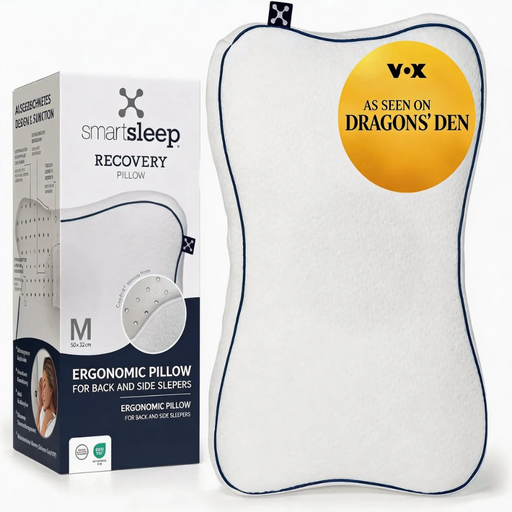
Why it's a great fit: This pillow is explicitly designed for the needs of side and back sleepers. Its ergonomic shape with a head cradle aims to promote a natural sleeping position and stabilise the neck.
It debunks the "one-size-fits-all" myth with a clear target audience. The integrated air channels in the foam core also address the problem of heat buildup common in basic memory foam pillows.
Pressure-relieving Memory Foam and a breathable design. The material is also Oeko-Tex certified to be free from harmful substances.
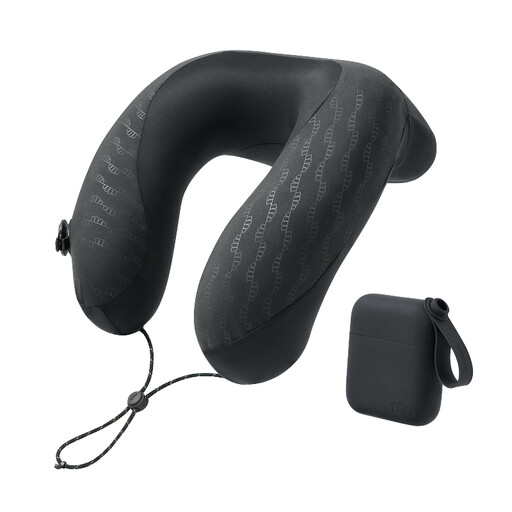
Why it's a great fit: For travellers, packability and functionality are crucial. This inflatable pillow stores compactly yet provides stable support for the neck while sitting, thanks to its ergonomic shape.
It is clearly positioned as a travel pillow and doesn't try to be a sleeping pillow for a bed. Its function is tailored to the specific use case—support while sitting—thus avoiding false expectations.
Inflates with a simple press, no mouthpiece needed, which is hygienic and practical. The material is described as durable and skin-friendly.
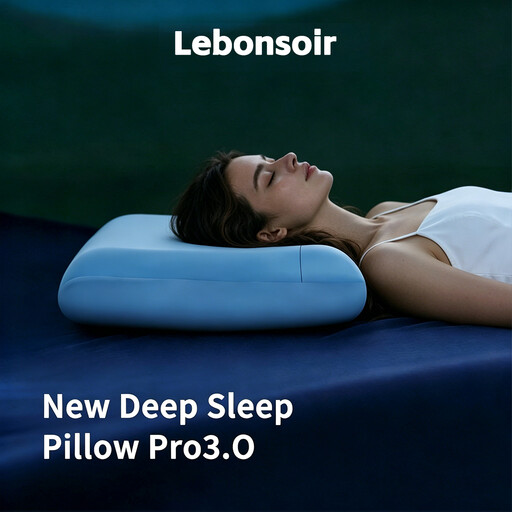
Why it's a great fit: For users seeking an advanced solution, this pillow features a 3-layer construction. This combines a soft, adaptive top layer with a supportive middle layer and a stable base.
It avoids the trap of undifferentiated material hype by detailing the function of each individual foam layer. This allows for a conscious decision based on construction, not just a buzzword.
The 3-layer construction offers a balanced combination of comfort and support. The breathable cover also promotes a pleasant sleeping climate.
We have compiled a complete, up-to-date list of products that fully meet these strict selection criteria and rigorous safety standards.
An adjustment period of a few days to two weeks is normal. Your body, especially your neck and shoulder muscles, needs to adapt to the new, corrected posture. It can be helpful to use the new pillow for only a few hours per night during the first week and gradually increase the duration of use.
The foam core itself should generally not be machine-washed or fully submerged in water, as this can damage the material's structure. Most neck support pillows come with a removable and washable cover. Please follow the manufacturer's care instructions. If necessary, the core can be spot-cleaned carefully with a slightly damp cloth and a mild detergent. Allow it to air-dry completely afterwards.
The ideal height for a pillow for your neck and shoulders in the side-sleeping position corresponds to the distance between your ear and the outer edge of your shoulder. Measure this distance to get a guideline. The goal is for your head and cervical spine to form a straight, horizontal line with the rest of your spine. A pillow that is too high or too low will cause an unhealthy bend.