
Lieferung heute & morgen

Qualitätsgarantie

Willkommens-Angebote freischalten: KOSTENLOSE Lieferung | Bis zu 80 % RABATT | Kostenlose 30-Tage-JoyPlus-Testphase
App herunterladen
By Joybuy Product Recommendation Officer, August 29, 2026
Restful sleep is the foundation for a productive day, yet for many people, the morning begins with neck or shoulder pain. An unsuitable pillow is often the cause. The market for neck support pillows is vast, and the advertising claims are diverse. However, not every pillow marketed as ergonomic or orthopaedic delivers on its promise.
Before you make a purchasing decision, it's important to understand the most common pitfalls that can lead to the wrong choice and persistent discomfort.
To avoid these problems, you should focus on objective and verifiable product features.
Choosing the right pillow isn't based on marketing, but on measurable criteria tailored to your personal needs. Pay attention to the following three aspects before you buy.
The material significantly determines the pillow's comfort, support, and durability.
The shape of the pillow must match your primary sleeping position to keep the spine in a neutral, straight alignment.
A pillow for your bed at home has different requirements than one for travel.
Based on the criteria mentioned, we have curated a selection of products suitable for different user profiles and use cases.
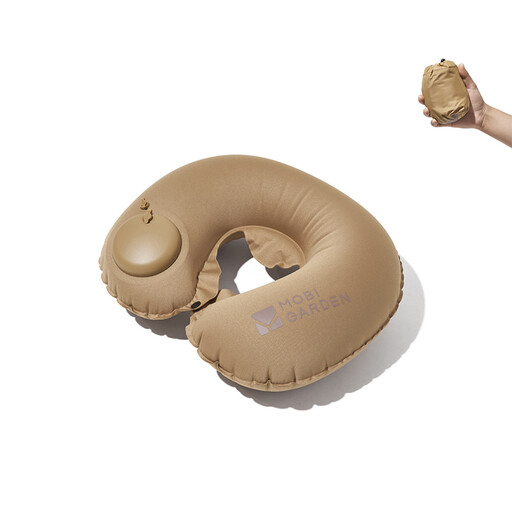
Why This Fits Their Persona: Ideal for mobile use in the car, train, or plane. Its compact design and ease of use make it a practical companion for anyone who travels frequently and doesn't want to go without neck support.
It's a specialised tool for travel, not an attempt to be a universal solution for nightly sleep. This sidesteps the "one-size-fits-all" trap by fulfilling a clear, specific purpose.
Inflatable design with a push-button mechanism—no mouth inflation needed. It has a very small packed size and is easy to store in the included pouch.
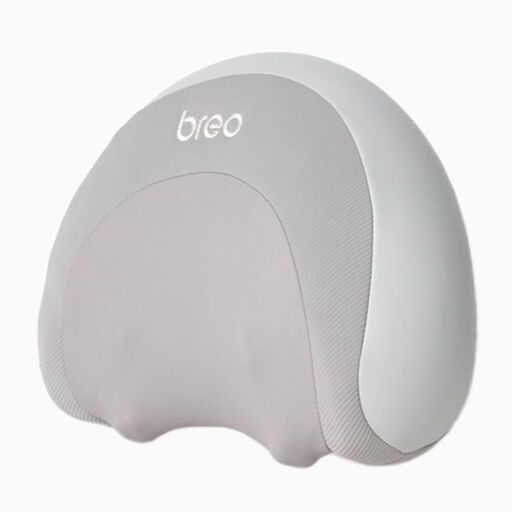
Why This Fits Their Persona: This pillow combines passive support with active relaxation. It is designed for people who are not only looking for support but also want to actively relieve muscle tension in the neck and shoulder area.
Instead of vague "orthopaedic" promises, it delivers verifiable features like an NTC-controlled heating system and three massage modes. The controlled heating system also prevents the heat buildup trap.
Integrated Shiatsu kneading massage with a 15° swing mechanism that adapts to the body's contours. The dual-level heat function (40–45°C) can promote circulation.
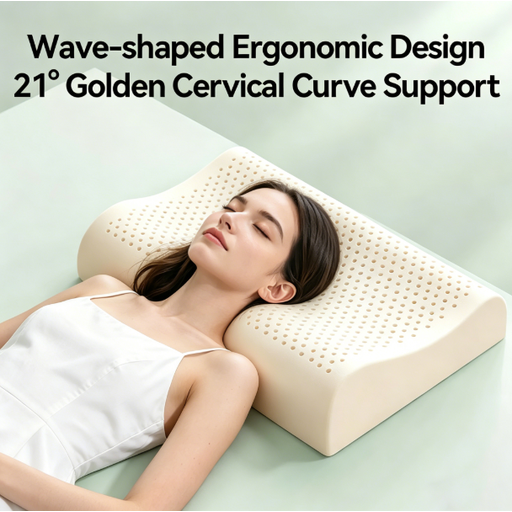
Why This Fits Their Persona: The wave profile provides optimal support for the neck in both side and back sleeping positions, while the natural latex ensures good ventilation and lasting shape retention. It's a great choice for those seeking a supportive yet breathable pillow for nightly sleep.
The ergonomic wave shape with two different heights (10/12 cm) refutes the "one-size-fits-all" approach. As a side sleeper pillow made of latex, it is naturally more breathable than many basic memory foam models, thus avoiding the heat buildup trap.
Made from 93% natural latex (according to manufacturer specifications) for high breathability and point elasticity. The ergonomic wave design supports a neutral spinal alignment.
We have compiled a complete, up-to-date list of products that fully meet these strict selection criteria and all relevant safety standards.
Switching to a new, supportive pillow can require an adjustment period. Typically, the body needs between 3 and 14 days to adapt to the new, correct sleeping posture. It may feel unusual for the first few nights as your muscles and spine adjust to a new position.
The ideal height for a side sleeper pillow corresponds to the distance between the side of your head and the outside of your shoulder. The goal is for the cervical spine to form a straight line with the rest of the spine. Measure this distance to get a guideline for the required pillow height. Many ergonomic pillows offer different heights on their two long sides.
A high-quality memory foam pillow should generally be replaced every 2 to 3 years. Signs that a change is necessary include visible, permanent indentations, a noticeable loss of support, or if the material begins to crumble. Regular replacement ensures that the supportive properties are maintained.