
Lieferung heute & morgen

Qualitätsgarantie

Willkommens-Angebote freischalten: KOSTENLOSE Lieferung | Bis zu 80 % RABATT | Kostenlose 30-Tage-JoyPlus-Testphase
App herunterladen
The right neck support pillow can be a game-changer for your sleep quality and overall well-being. Yet, the market is crowded and saturated with marketing claims that often cause more confusion than they provide clarity. Many people end up investing in a product that fails to relieve their neck tension—or worse, exacerbates it. This is typically the result of widespread misconceptions and cleverly hidden product defects.
This guide will show you which pitfalls to avoid and what objective criteria truly matter when making your choice. This will enable you to make an informed decision tailored to your individual needs.
Before we dive into the technical specifications, it's crucial to recognise the most common marketing traps that lead to costly mistakes.
To make an informed choice, focus on the following three objective parameters. These will help you separate the wheat from the chaff.
The material determines how the pillow responds to pressure and heat and how well it supports your neck.
The pillow's shape must match your primary sleeping position to keep your spine in a straight line.
A removable and washable cover is a non-negotiable for hygiene reasons. Ideally, the cover should be washable at a minimum of 40°C (104°F), or even better, 60°C (140°F), to effectively eliminate dust mites and bacteria. The pillow core itself is usually not washable and should be aired out regularly.
Instead of making a blanket recommendation, we've selected products for specific user profiles.
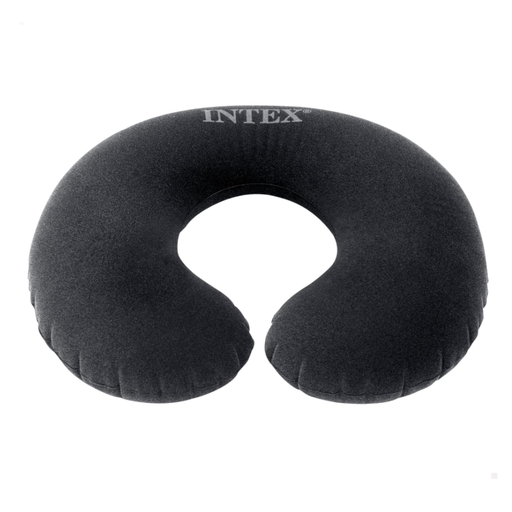
Why it's a good fit: Perfect for those looking for a straightforward, space-saving solution for train, plane, or car journeys. It inflates quickly and packs down compactly after use, without taking up valuable luggage space.
This pillow doesn't promise a universal sleep solution (Pitfall 1) but serves a clear purpose: temporary neck support during travel. Its value lies in its portability, not in complex material claims (Pitfall 2).
Extremely compact and budget-friendly. The flocked PVC surface provides a comfortable feel against the skin.
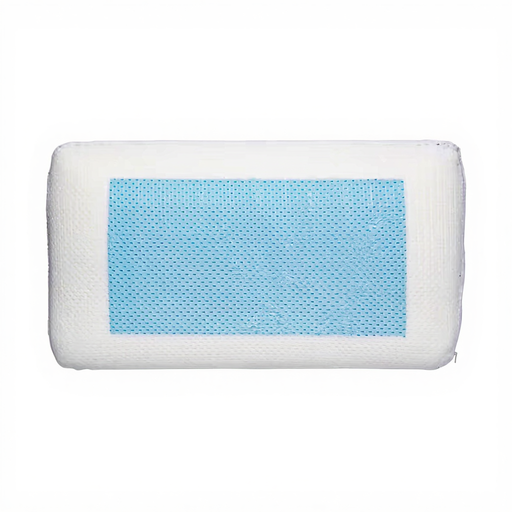
Why it's a good fit: A great choice for anyone who wants to try the benefits of an ergonomic pillow without making a large investment. It combines the supportive properties of Memory Foam with a classic ergonomic shape.
This pillow offers a proven ergonomic shape without claiming to be perfect for everyone (Pitfall 1). It focuses on the core function of memory foam and a washable cover (Pitfall 3), rather than on over-the-top marketing terms.
Excellent value for money for an entry into the world of ergonomic pillows. The cover is removable via a zipper and is washable.
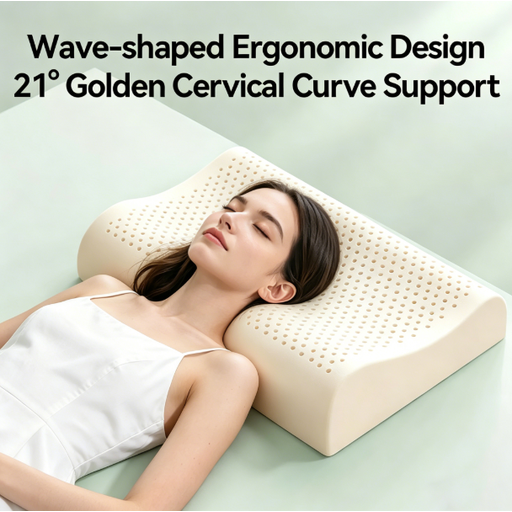
Why it's a good fit: The wave design with two different heights (10/12 cm) is ideal for side sleepers, as it allows for adjustment to individual shoulder width. The core, made of 93% natural latex, offers high point elasticity and breathability.
This pillow debunks the 'one-size-fits-all' trap (Pitfall 1) with its dual-height design. Its value is based on the verifiable properties of natural latex (elasticity, breathability), not on vague marketing terms (Pitfall 2).
Ergonomic wave design for side sleepers and high point elasticity thanks to the high natural latex content.
We have compiled a comprehensive, up-to-date list of products that meet these strict selection criteria and comply with current safety regulations.
The adjustment period from a conventional pillow to an ergonomic neck support pillow can take anywhere from a few days to two weeks. Your body and neck muscles need time to adapt to the new, corrected posture. It's advisable to start by using the pillow for just a few hours each night and gradually increase the duration.
The ideal height for a side sleeper pillow corresponds to the distance between the base of your neck and the outer edge of your shoulder. The goal is for your spine to form as straight a line as possible from your cervical spine down to your pelvis. A pillow that is too high or too low will cause an unnatural curve and can lead to tension.
The lifespan of a neck support pillow depends on the material and how heavily it's used. As a general guideline, memory foam or latex pillows should be replaced every 2 to 3 years. It's definitely time for a new one when the pillow shows visible indentations, no longer returns to its original shape, or its supportive properties have noticeably diminished.