
Lieferung heute & morgen

Qualitätsgarantie

Willkommens-Angebote freischalten: KOSTENLOSE Lieferung | Bis zu 80 % RABATT | Kostenlose 30-Tage-JoyPlus-Testphase
App herunterladen
Restful sleep is the foundation for an energetic day. However, tension in the neck and shoulder area often leads to restless nights and a painful awakening. A common cause is an unsuitable pillow that fails to properly support the cervical spine.
This article serves as your guide. Instead of overwhelming you with marketing promises, we aim to provide objective information and a curated selection of products. As your Joybuy Product Recommendation Officer, I have analysed various models and materials to help you find a neck support pillow that suits your individual needs and sleeping position.
Choosing the right pillow is a highly personal decision. Three key criteria will help you make an informed choice: the material, the shape based on your sleeping position, and the correct height.
The filling material is crucial in determining the pillow's comfort and support properties.
The ideal pillow shape depends directly on your preferred sleeping position to ensure a neutral alignment of the spine.
The 80x80 cm pillow size, common in Germany, is often less suitable for neck support. The reason is that people often rest their shoulders on the pillow as well, which negates the support function for the neck. A smaller, rectangular size (e.g., 40x80 cm or 40x60 cm) is usually the better choice, as it specifically supports the area between the head and shoulders.
Based on the criteria above, we have compiled a selection of pillows that cater to different needs.
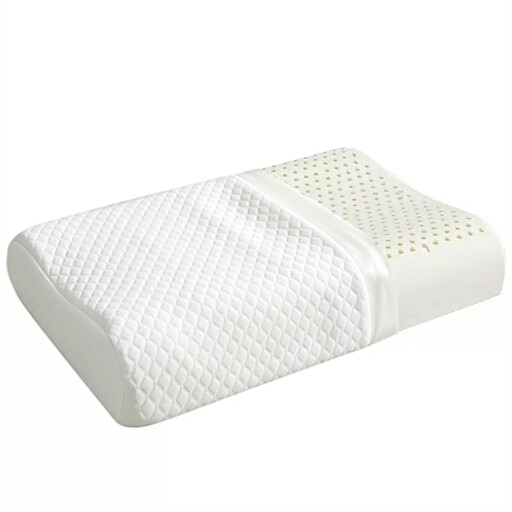
JORDAN&JUDY Latex Pillow with Pillowcase, High-Resilience Ergonomic Neck Support Pillow, White
Why it stands out: This pillow combines the benefits of natural latex with an ergonomic design. The material's high resilience provides dynamic support that adapts to your movements during sleep, without the feeling of "sinking in".
Benefits:
Who it's for: Ideal for back and side sleepers who prefer a bouncy, responsive feel and tend to sweat at night. It's a great alternative for those who find classic memory foam pillows too firm.

MENDALE Shredded Memory Foam Pillows, Hypoallergenic, 80x80cm
Why it stands out: This pillow, in the classic 80x80 cm pillow format, offers a modern solution: a filling of shredded memory foam. This allows you to individually adjust the amount of filling, and therefore the height and firmness of the pillow.
Benefits:
Who it's for: Perfect for combination sleepers or individuals who frequently change their sleeping position. It's also great for those who don't want to give up the familiar feel of a large pillow but still need a pillow for neck pain with adjustable support.
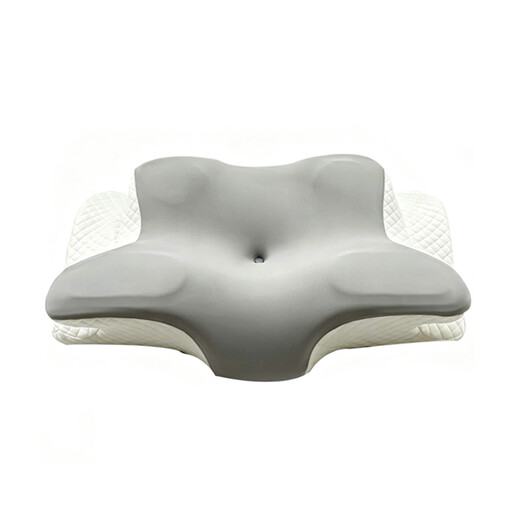
JORDAN&JUDY Butterfly Shaped Memory Pillow, Slow Rebound Memory Foam Pillow, Grey
Why it stands out: The special butterfly shape of this pillow is no accident. It is a thoughtfully designed orthopaedic pillow, with cutouts and contours engineered to optimally position the head, neck, and shoulders in various sleeping positions.
Benefits:
Who it's for: Especially recommended for individuals with chronic neck or shoulder problems who are looking for structured and targeted support. It is a classic ergonomic pillow for back and side sleepers who prioritise correct posture during sleep.
Choosing a pillow is just one part of enhancing well-being and comfort in your home. If you haven't found what you're looking for in our selection, or if you'd like to furnish your bedroom with other practical and beautiful items, you can find a wider range of products for a cosy home in our cute home accessories category.
Your body, especially your neck muscles, often needs some time to adjust to the new, correct posture. Plan for an adjustment period of a few days to two weeks. It's normal for the pillow to feel unusual at first.
Both latex pillows and memory foam pillows are generally a good choice for allergy sufferers. Natural latex is inherently resistant to dust mites and mould. Many memory foam products are also designed to be hypoallergenic. Additionally, look for washable covers to ensure a hygienic sleep environment.
The ideal height for a side sleeper pillow depends on your shoulder width and the firmness of your mattress. As a rule of thumb, the pillow should be high enough to keep your spine in a straight line from your lower back to your head. Measure the distance from the side of your neck to the tip of your shoulder to get a guideline for the required height.