
Lieferung heute & morgen

Qualitätsgarantie

Willkommens-Angebote freischalten: KOSTENLOSE Lieferung | Bis zu 80 % RABATT | Kostenlose 30-Tage-JoyPlus-Testphase
App herunterladen
Restful sleep is the foundation for an energetic day. However, tension in the neck and shoulder area often leads to restless nights and a feeling of stiffness in the morning. A common cause can be an unsuitable pillow that doesn't keep the spine in its natural position.
This guide serves as a reference. It highlights objective criteria that can help you choose a suitable neck support pillow and introduces various pillow models for different needs. The goal is to provide you with an informed basis for your decision to improve your sleep quality.
The selection is vast, and the right decision depends on individual factors. The following points can help you identify the right model for your needs.
A pillow's material determines its support properties, breathability, and durability.
An ergonomic pillow is shaped to support the natural curvature of the cervical spine. The ideal shape depends heavily on your preferred sleeping position.
The right pillow height is crucial for preventing neck and shoulder pain. It should be chosen so that your head, neck, and spine form a straight line. Consider your shoulder width and the firmness of your mattress. On a soft mattress, you sink in deeper, which may require a flatter pillow than on a firm mattress.
Based on the criteria mentioned, we have compiled a selection of products that meet different functional and aesthetic requirements.
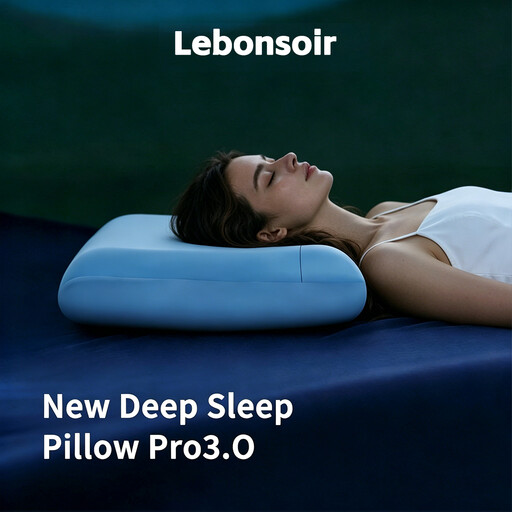
Why It Stands Out: This pillow is distinguished by its 3-layer foam construction. The top layer of slow-rebound foam gently cradles the head and neck. Below, a support layer prevents the head from sinking too deep, while the bottom layer provides a stable base. The design is an atour planet pillow alternative and aims for a balanced blend of comfort and support.
Benefits:
Who Is It For? Individuals seeking a pillow with targeted ergonomic support for the neck and shoulder area. It is suitable for office workers, students, and anyone looking to improve their sleeping posture and reduce tension.
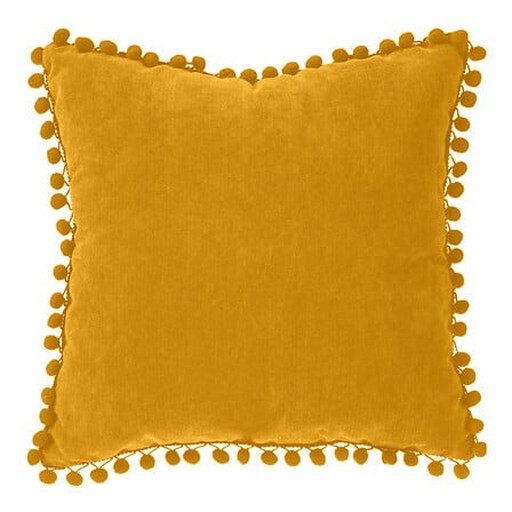
Why It Stands Out: This cushion adds a decorative accent. The playful pom-poms on the edges and the warm ochre tone give living spaces a cosy atmosphere. It is intended less as a sleeping pillow and more as a stylish home accessory.
Benefits:
Who Is It For? For anyone who wants to add a decorative and comfortable touch to their living room or bedroom. It serves as a decorative cushion or for light support while sitting.

Why It Stands Out: The unique, knot-inspired woven design gives this cushion a three-dimensional and tactile texture. A key feature is its certification according to STANDARD 100 by OEKO-TEX (SH025 129601), which confirms that the product has been tested for harmful substances.
Benefits:
Who Is It For? For users who value certified textiles and are looking for a functional pillow with a modern design. It is excellent as a supportive seat cushion on chairs or as a decorative lumbar support on the sofa.
For lovers of textured and stylish home accessories, our collection of Quilted Boho Pillow offers further inspiration. Discover designs that combine comfort and aesthetics, adding a personal touch to your home.
A good neck support pillow is characterised by three main features: an adaptive material that distributes pressure evenly (like memory foam), an ergonomic shape tailored to the individual's sleeping position, and the correct height to ensure the spine remains in a neutral, straight position.
Switching to a new, more supportive pillow may require an adjustment period. It can take anywhere from a few days to two weeks for your body to get used to the new, corrected sleeping posture. During this time, your muscles will adapt to the different support.
Yes, a Memory Foam Pillow is often very well-suited for side sleepers. Its ability to conform to contours allows it to effectively fill the space between the shoulder and head. Models with a higher neck wave or a special shoulder cutout can further optimise spinal alignment in the side-lying position, helping to relieve neck and shoulder strain.