
Lieferung heute & morgen

Qualitätsgarantie

Willkommens-Angebote freischalten: KOSTENLOSE Lieferung | Bis zu 80 % RABATT | Kostenlose 30-Tage-JoyPlus-Testphase
App herunterladen
A neck support pillow is designed to position your head, neck and shoulders properly while you sleep. However, choosing the right one is not always easy. Product images often show an ergonomic shape, while important details about height, materials or care are missing. Searching only for terms such as “orthopaedic pillow” or “pillow for neck pain” therefore does not automatically lead to a suitable model.
An 8 cm neck pillow may be suitable for people with narrow shoulders or those who sleep on their back. Side sleepers often need more height to bridge the gap between the mattress and their head. However, mattress firmness, body shape and personal sleeping habits are also important.
A general height specification is therefore no substitute for careful assessment. With an adjustable pillow or a model with two different heights, it is easier to find the right fit.
The term ergonomic neck pillow initially describes only the shape or intended purpose. It is not a standardised quality seal. You should therefore look for specific features:
The term orthopaedic pillow should not be confused with medical treatment either. A neck support pillow can support your sleeping position, but it is not a substitute for medical advice if discomfort persists.
Memory foam pillows slowly adapt under pressure and can provide contoured support. Depending on their construction, however, they may retain heat and often need time to air after unpacking.
A latex pillow usually springs back more quickly and may offer different ventilation characteristics through air channels. People with a latex allergy should check the material details and warnings particularly carefully. Regardless of the material, the cover is important: a non-washable cover can make regular hygiene more difficult.
For back sleepers, a moderate height with a stable neck recess is often more practical than a very high pillow. Side sleepers should take shoulder width and how deeply the mattress gives way into account. Front sleepers often find a lower, softer shape more comfortable, although personal preference and familiarity also play a role.
Models with a wave shape or two heights, such as 10 and 12 cm, offer greater flexibility. An 8 cm neck pillow, on the other hand, may be appealing if you prefer a low profile.
With foam pillows, it is important to distinguish between a single foam layer and a multi-layer construction. A multi-layer core can combine different functions, such as a softer upper layer and a supportive lower layer. The actual firmness should not, however, be inferred solely from marketing terms such as “Premium”.
When buying a latex pillow, the stated latex content, dimensions and care instructions are all relevant. With an ergonomic sleep pillow, you should also check whether the contour is genuinely suitable for your preferred sleeping position.
Removable covers make cleaning easier. As a rule, the memory foam core should not be washed in a washing machine or soaked completely. Air channels or perforated structures may support air circulation, but they do not guarantee a particular level of personal comfort in terms of warmth.
After unpacking, a neck support pillow should be allowed to expand fully and air according to the manufacturer’s instructions. Stop using it if you notice an unusual odour, damaged foam or an allergic reaction.
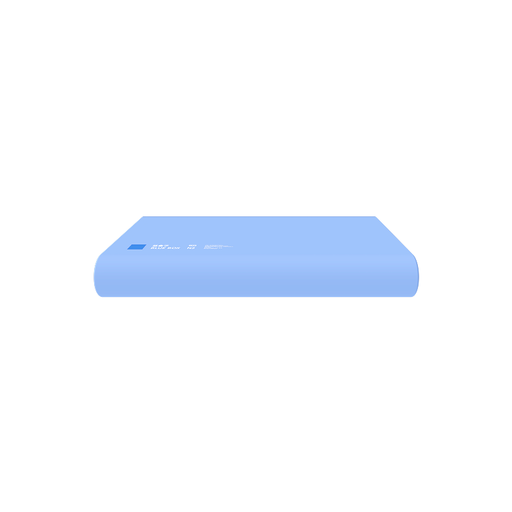
Why this product suits this profile: The low 8 cm profile is appealing to shoppers looking for a compact memory foam pillow for student accommodation, a hotel or the bedroom.
The stated height makes the profile easier to assess than a vague claim of ergonomic design. Before buying, check whether 8 cm is suitable for your sleeping position.
Low profile and memory foam construction; designed for adults, students and use in smaller sleeping spaces.
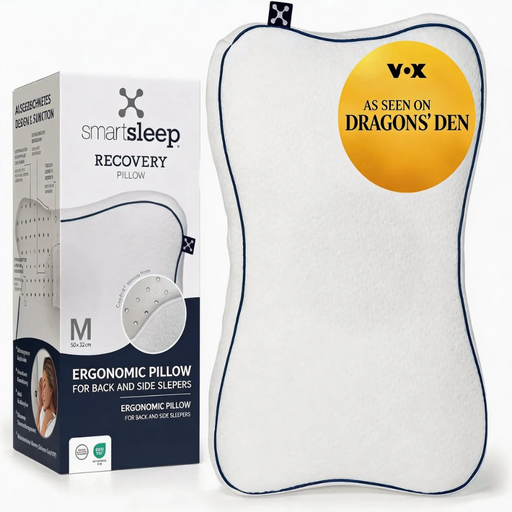
Why this product suits this profile: The pillow combines a head recess with viscoelastic foam, integrated air channels and material that, according to the product details, has been tested for harmful substances and is Oeko-Tex certified.
The material and ventilation details are more specific than broad comfort claims. According to the description, the pillow is designed for back and side sleepers.
Memory foam core, air channels and removable cover; according to the product details, a 30-night trial period is included.
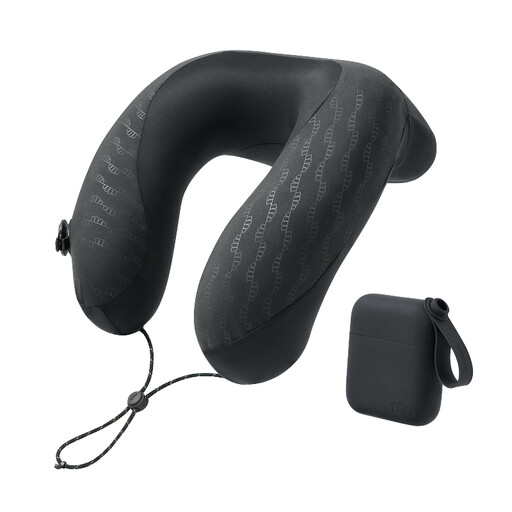
Why this product suits this profile: This inflatable travel pillow can be packed away compactly and inflated using the pressure system without a mouthpiece. The amount of air can be adjusted.
The adjustable inflation avoids a rigid fit. Before travelling, check the valve, airtightness and packed size against the product details.
Inflatable construction, adjustable air volume and foldable design; the listed materials include polyester, nylon, elastane and TPU.
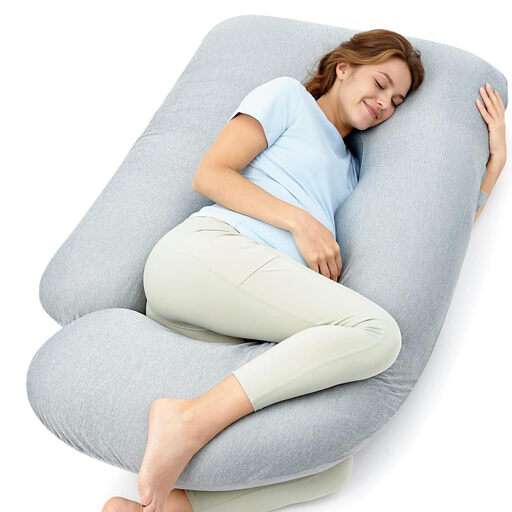
Why this product suits this profile: The U-shape is designed to support the head, neck, back, stomach, hips and legs over a large area. It can also be used while reading or relaxing.
Rather than promising compact neck support for every situation, its use is clearly described as being suitable for full-body support and pregnancy.
U-shaped construction, removable cooling cover and versatile positioning; according to the product description, the cover can be machine-washed separately.
If you prefer quick recovery, you could consider a contoured latex pillow. According to the product description, the JoySelect Natural Latex Pillow contains 93% latex, has a wave shape and offers two heights of 10 and 12 cm. This combination may appeal to people who switch between sleeping on their back and side. With latex products, pay attention to allergy information and ensure adequate ventilation after unpacking.
A butterfly or contour pillow may also be suitable for different sleeping positions. What matters is whether the recess and edge height suit your shoulder width. Product claims such as “for all sleeping positions” should therefore be treated as guidance, not as a guarantee of an individual fit.
We have put together a complete, regularly updated list of products that fully meet these strict selection criteria and the safety regulations applicable in the EU.
This depends on your sleeping position, shoulder width, mattress and how deeply you sink into it. Back sleepers often prefer a lower profile, while side sleepers may need more height. Do not measure the distance between your shoulder and head in isolation; take the mattress into account too.
There is no universal answer for how long a pillow will last. Material quality, daily use, body weight, moisture and care all affect its ability to retain its shape. If the foam becomes brittle, crumbly or permanently misshapen, the pillow should be replaced. The manufacturer’s information on the guarantee and expected lifespan is authoritative.
A pillow can support your sleeping position and subjective comfort while lying down. It does not necessarily have a therapeutic effect or guarantee relief from neck pain. If discomfort is persistent, severe or recurrent, you should seek medical advice.