
Lieferung heute & morgen

Qualitätsgarantie

Willkommens-Angebote freischalten: KOSTENLOSE Lieferung | Bis zu 80 % RABATT | Kostenlose 30-Tage-JoyPlus-Testphase
App herunterladen
By a Joybuy Product Recommendation Officer
A restful night's sleep is the foundation for an energetic day. Yet, for many people, the morning begins with tension in the neck and shoulder area. A common cause can be an unsuitable pillow that fails to provide adequate support for the cervical spine during the night. This article serves as a guide, highlighting the features a pillow should have to improve sleep comfort and relieve neck muscles. We will introduce various pillow models and explain what you should look for when making your choice.
Selecting the right pillow is a highly personal decision that depends on your individual body shape, preferred sleeping position, and personal preferences. However, a few objective criteria can make the decision easier.
A frequently used material for orthopedic neck pillows is viscoelastic foam, also known as Memory Foam. This material reacts to body heat and pressure, allowing it to adapt precisely to the contours of your head and neck. When pressure is removed, it slowly returns to its original shape. This property enables even pressure distribution and can help reduce pressure points that may lead to tension. Look for pillows with breathable covers to prevent heat buildup.
An ergonomic pillow is distinguished by its special shape, which is designed to support the natural curvature of the cervical spine. Many models feature a wave-like contour with two sides of different heights or a central cradle for the head.
The ideal pillow height depends on your individual shoulder width and the firmness of your mattress. Broader shoulders tend to require a higher pillow. The degree of firmness is subjective but should be chosen so that the head neither sinks in too deeply nor is propped up too high. The goal is always a neutral, straight alignment of the spine.
Based on the criteria mentioned, we have compiled a selection of products that cater to different needs.
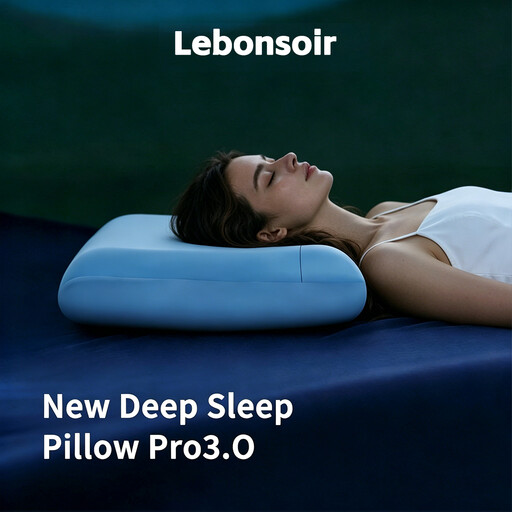
Why it stands out: This pillow utilizes a 3-layer foam construction. The top layer of slow-rebound foam gently cradles the head and neck. The middle support layer prevents sinking in too deeply, while the bottom base layer provides a stable foundation. The breathable cover aids in moisture and temperature regulation.
Benefits:
Who it's for: Individuals looking for an adaptable neck support pillow for neck pain, especially office workers, students, or seniors who value stable yet comfortable support for their head and neck.
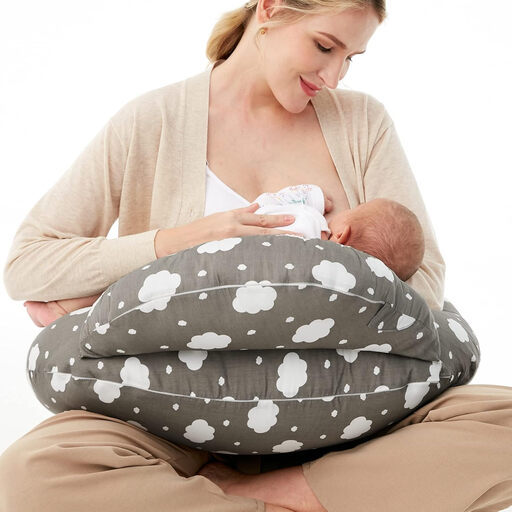
Why it stands out: This pillow is primarily designed as a nursing and positioning pillow. Its U-shape and adjustable hip strap allow for stable positioning on the body to reduce strain on the arms, back, and shoulders during breastfeeding or bottle-feeding.
Benefits:
Who it's for: Primarily for nursing mothers seeking ergonomic support. Additionally, it can serve as a support pillow for individuals who spend a lot of time sitting, for example, while reading.
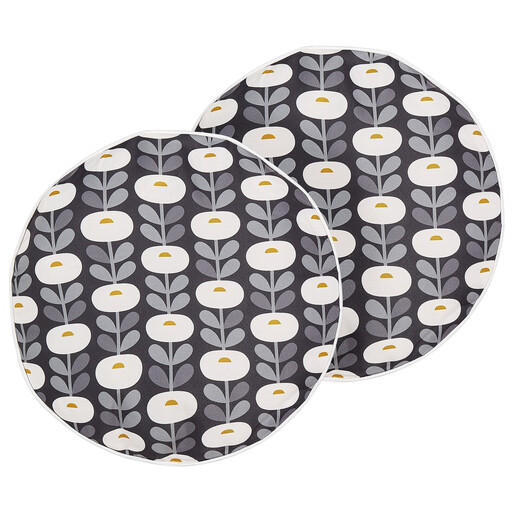
Why it stands out: This cushion set is designed for outdoor use. The geometric pattern on the front and the solid-colored back add decorative accents to garden furniture. The material is water-repellent and can withstand light rain.
Benefits:
Who it's for: Individuals looking for stylish and functional decorative cushions for their outdoor area to enhance the seating comfort of garden chairs or lounge furniture.
While functional support is crucial for a good night's sleep, an appealing and cozy environment also contributes to overall well-being. If you want to enhance your living or sleeping area with stylish accents, our collection of decorative pillows offers a wide range of possibilities.
Discover our selection of Grey Boho Pillows and create your personal sanctuary of comfort.
The correct pillow height is individual and depends on your sleeping position and shoulder width. As a rule of thumb: in the side-sleeping position, the pillow should fill the space between your ear and shoulder so that the spine forms a straight line. In the back-sleeping position, the head should only be slightly elevated to prevent the neck from bending.
Neither an extremely hard nor an extremely soft pillow is ideal. A pillow that is too soft often fails to provide enough support, causing the head to sink and the neck to bend. A pillow that is too hard can create uncomfortable pressure points. A medium-firm pillow that provides support while adapting to your shape, as is the case with many Memory Foam pillows, is often found to be most comfortable.
Adjusting to a new, ergonomically shaped pillow can take anywhere from a few days to two weeks. Your body and muscles need to get used to the new, corrected sleeping posture. It is normal for the pillow to feel unusual for the first few nights. Give yourself some time to determine if the pillow is right for you.