
Lieferung heute & morgen

Qualitätsgarantie

Willkommens-Angebote freischalten: KOSTENLOSE Lieferung | Bis zu 80 % RABATT | Kostenlose 30-Tage-JoyPlus-Testphase
App herunterladen
Do you often wake up with a stiff neck or shoulder tension? The cause could be your pillow. An unsuitable pillow can force your cervical spine into an unnatural position, leading to discomfort and restless sleep. A neck support pillow is designed to keep your head, neck, and spine in ergonomically correct alignment.
This article serves as a comprehensive guide. We will introduce various pillow models and explain the key features to look for when making your selection. Our goal is to provide you with an informed basis for your decision, helping you find the perfect pillow for your individual needs.
Choosing the right pillow depends on personal preferences and physical requirements. Here are some objective criteria to help guide your decision.
The material is a key determinant of comfort and support. The most common options include:
The shape of the pillow should match your preferred sleeping position to ensure optimal support.
Pillow height, or loft, is crucial for spinal alignment. A pillow that is too high or too low can lead to tension. As a rule of thumb: side sleepers generally need a higher and firmer pillow than back sleepers to bridge the distance between the head and the shoulder. Some models offer removable foam layers for customisable height adjustment.
Based on the criteria above, we have curated a selection of pillows that cater to different needs and sleeping styles.

Why it stands out: This pillow is distinguished by its 3-layer foam construction. The combination of a soft top layer, a supportive middle layer, and a stable base layer aims to perfectly balance comfort and support.
Benefits:
Who it's for: Individuals looking for a pillow with a firm yet yielding structure. It is designed for all sleeping positions (side, back, stomach) and is suitable for people looking to improve their sleep quality, such as office workers or seniors.
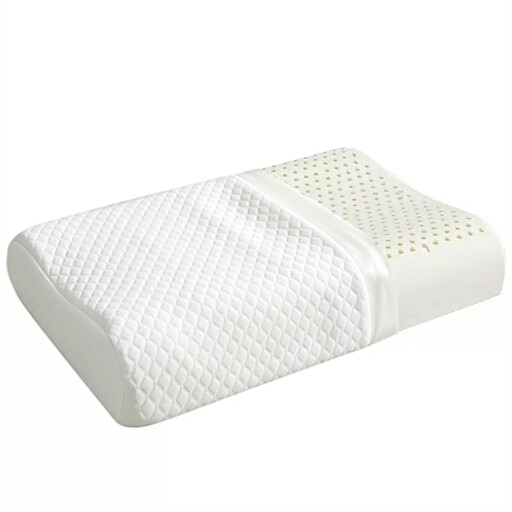
Why it stands out: This pillow is made from high-resilience latex, which gives it a bouncy and responsive feel. It offers an alternative for users who are less fond of the sinking sensation of memory foam.
Benefits:
Who it's for: Sleepers who want a supportive, yet elastic and well-ventilated pillow. It is especially suitable for individuals who appreciate a pillow that adapts quickly to changes in position.
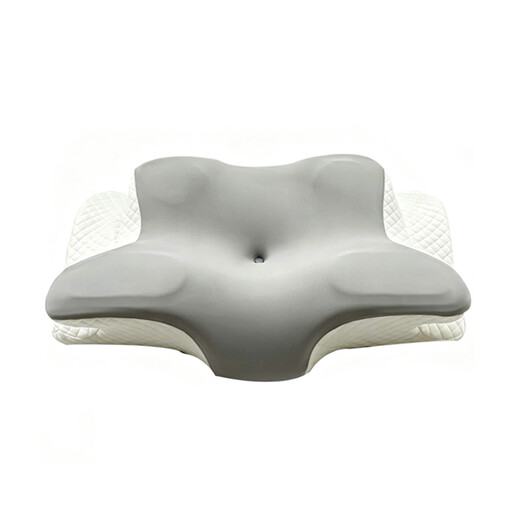
Why it stands out: The distinctive butterfly shape with side cutouts offers flexible use and is specifically tailored to the needs of side and back sleepers.
Benefits:
Who it's for: People who frequently change their sleeping position at night or who need a dedicated space for their arms as a side sleeper pillow. It's a great option for anyone looking for an adaptable pillow for neck pain.
Good sleeping comfort starts with the pillow, but ergonomic support is also important in daily life, especially during long periods of sitting. If you want to improve your comfort at your desk or in the dining area, specially shaped seat cushions might also be worth considering.
Explore our selection of chair cushions for metal chairs to promote correct posture even while seated.
The adjustment period is individual and can last from a few days to two weeks. Your body needs to adapt to the new, corrected sleeping posture. It's advisable to give the pillow a fair chance before making a final judgment.
Both memory foam and latex are common materials for orthopaedic neck pillows. Memory foam offers precise, pressure-relieving contouring and is ideal for those who prefer a stable, still position. Latex is more elastic, breathable, and suitable for sleepers who appreciate a springy feel and good ventilation.
The foam core of a memory foam pillow should generally not be machine washed, as this would damage its structure. Most pillows come with a removable and washable cover. For the core itself, spot cleaning with a mild detergent and a damp cloth is recommended. Afterwards, let the pillow air dry completely, but avoid direct sunlight or heat. Always follow the manufacturer's care instructions.