
Lieferung heute & morgen

Qualitätsgarantie

Willkommens-Angebote freischalten: KOSTENLOSE Lieferung | Bis zu 80 % RABATT | Kostenlose 30-Tage-JoyPlus-Testphase
App herunterladen
By: Joybuy Product Recommendation Officer
A stiff neck in the morning or shoulder pain after a long day at your desk are common complaints. A restful night's sleep is fundamental to well-being, yet the role of the pillow is often underestimated. An unsuitable pillow can force the cervical spine into an unnatural position, leading to tension and restless sleep.
This article serves as a guide. It explains which features are important in a neck support pillow and introduces various models. The goal is to provide you with an objective basis to make an informed decision for your individual needs.
The selection of pillows is vast, and the right choice depends on personal factors. The following points will help you narrow down the options.
Your preferred sleeping position is the main factor in determining the type of support your neck needs to keep the spine in a straight line.
The filling material affects both the comfort and the supportive properties of the pillow.
The pillow's height should be matched to your shoulder width and sleeping position. Broader shoulders require a higher pillow for side sleeping than narrower shoulders. The degree of firmness is subjective but should be sufficient to keep the head stable throughout the night without feeling too hard. A pillow that is too soft may not provide the necessary support, which can be counterproductive for conditions like cervical spine syndrome.
Based on the criteria mentioned, we have compiled a selection of different pillow models that cater to various needs.
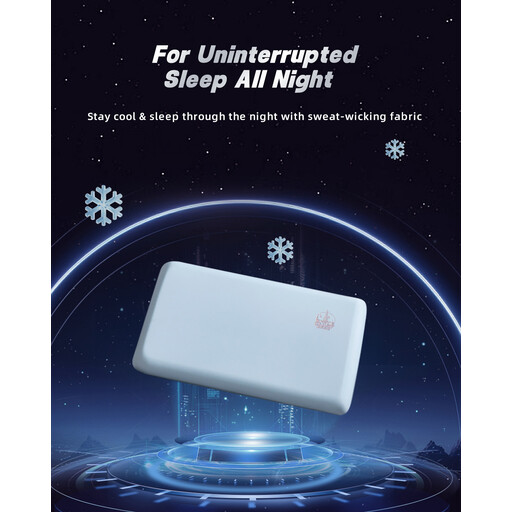
Why It Stands Out: This pillow combines the pressure-relieving properties of memory foam with a cooling design. Its classic rectangular shape and generous queen size make it a versatile option for various sleeping habits.
Features:
Who It's For: Individuals looking for an adaptive wellness pillow with the benefits of memory foam but who prefer a traditional pillow shape. It is especially suitable for sleepers who tend to sweat at night.
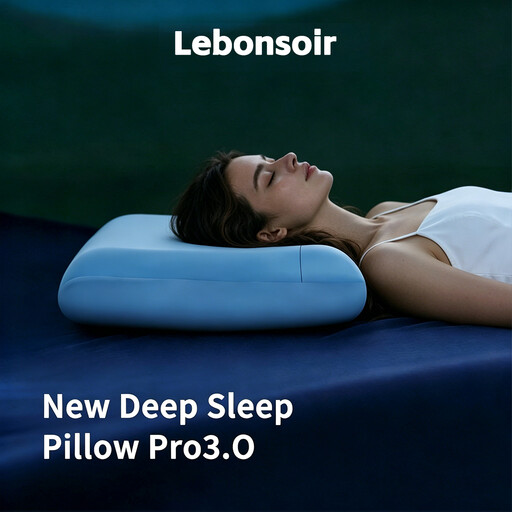
Why It Stands Out: The Lebensoir pillow is distinguished by its special 3-layer foam construction. This structure is designed to offer a balance of soft cushioning and firm support. The ergonomic contour is specifically aimed at relieving neck and shoulder tension.
Features:
Who It's For: Users seeking a highly structured pillow for neck pain with defined functional zones. It is an option for people with significant tension in the shoulder and neck area.
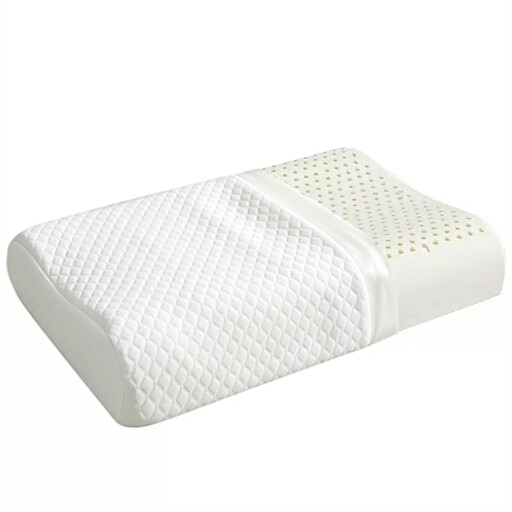
Why It Stands Out: This pillow is made of high-resilience latex, offering a different feel from memory foam. It provides consistent, springy support and is notable for its durability and breathability.
Features:
Who It's For: People who want to avoid the sinking feeling of memory foam and prefer dynamic, resilient support instead. It is also a great choice for allergy sufferers and anyone who values natural materials.
While the right pillow is crucial for nightly regeneration in the bedroom, comfortable support also plays a role in outdoor relaxation. For those looking to enhance their comfort in the garden or on the patio, we also carry a selection of specialty cushions.
Discover our range of waterproof outdoor lounge chair cushions for more comfort in your outdoor space.
The adjustment period can range from a few nights to two weeks. Your body needs time to adapt to the new, corrected sleeping posture. It is advisable to use the new pillow consistently during this phase to help your body make the transition.
For medical diagnoses like cervical spine syndrome, it is essential to seek medical or physical therapy advice before making a purchase. Generally, an ergonomic pillow that supports the natural curvature of the cervical spine without creating pressure points is often recommended. The goal is to keep the spine in a neutral position.
For reasons of hygiene and function, replacement is recommended every one to three years. Over time, materials like memory foam can lose their supportive properties. Additionally, sweat, skin cells, and allergens accumulate in pillows, so regular replacement contributes to good sleep hygiene.