
Lieferung heute & morgen

Qualitätsgarantie

Willkommens-Angebote freischalten: KOSTENLOSE Lieferung | Bis zu 80 % RABATT | Kostenlose 30-Tage-JoyPlus-Testphase
App herunterladen
By the Joybuy Product Recommendation Officer, July 19, 2026
Restful sleep is the foundation for an energized day. However, many people wake up with tension in their neck and shoulder area. A common cause is an unsuitable pillow that doesn't provide adequate support for the cervical spine. The right neck support pillow can make a significant difference by promoting an ergonomically correct sleeping posture.
This article serves as your guide. We will introduce various pillow models and explain the key criteria you should consider when making your choice. Our goal is to provide you with an informed basis for your decision, helping you find the perfect sleeping pillow for your needs.
The selection of pillows is vast, and the right decision depends on individual factors. The following three points will help you filter your options.
Many modern neck support pillows are made of viscoelastic foam, also known as memory foam. This material reacts to body heat and pressure, precisely conforming to the contours of your head and neck.
A memory foam pillow is particularly suitable for individuals seeking pinpoint pressure relief and stable support.
The shape of the pillow is crucial for the correct alignment of your spine. An ergonomic pillow is specially designed to fulfill this function.
The right height is fundamental to ensuring a straight line from your cervical to your lumbar spine.
Based on the criteria mentioned, we have compiled a selection of pillows that cater to different needs and sleep preferences.
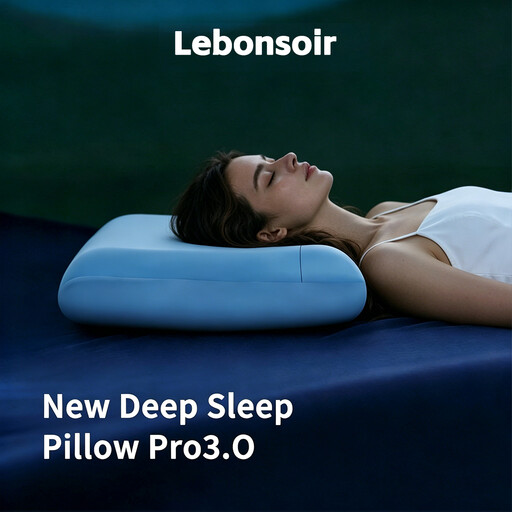
Why It Stands Out: This pillow is distinguished by its 3-layer foam construction. The top layer of slow-rebound foam gently cradles the head and neck. The middle layer prevents you from sinking in too deeply, while the bottom layer provides a stable base. The breathable cover helps with moisture and temperature regulation.
Pros:
Who It's For: Individuals looking for a technologically advanced pillow with a multi-layer support system that adapts to various sleeping postures.

Why It Stands Out: This pillow combines the benefits of memory foam with the feel of a traditional pillow. The shredded memory foam filling is hypoallergenic and can be individually shaped and fluffed. With a size of 80x80 cm, it offers a generous surface area.
Pros:
Who It's For: Sleepers who appreciate the pressure relief of memory foam but prefer the malleability and volume of a classic pillow.
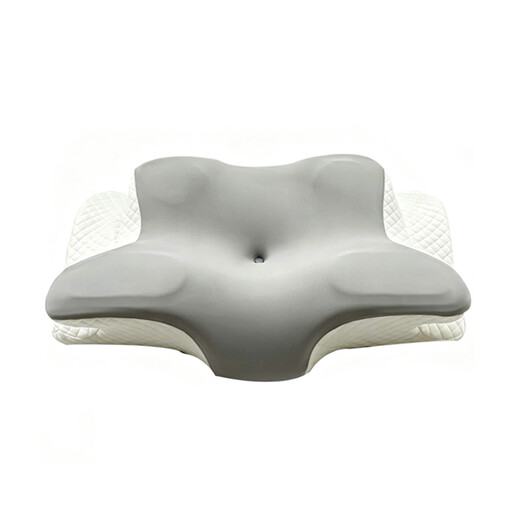
Why It Stands Out: The distinctive butterfly shape is specially designed for side and back sleepers. It features side cutouts that provide space for the arms, which can prevent twisting of the shoulders. The slow-rebound memory foam ensures gentle yet stable support.
Pros:
Who It's For: Primarily for side and back sleepers who have difficulty positioning their arms with conventional pillow shapes.
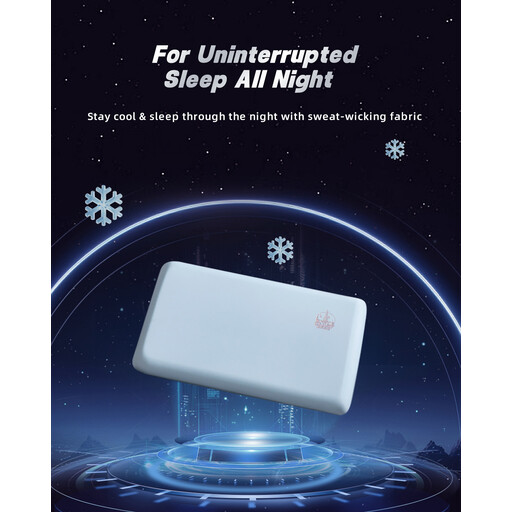
Why It Stands Out: This pillow was designed for people who tend to overheat at night. It combines an ergonomic shape for neck support with materials designed for enhanced temperature regulation. The queen-size dimensions (42x70x8 cm) offer ample space for various sleeping positions.
Pros:
Who It's For: Individuals looking for an orthopedic pillow with cooling properties to optimize both posture and sleep climate.
A good sleeping pillow isn't just important at home. If you don't want to sacrifice comfort while traveling or camping, there are special pillows designed for portability and functionality.
Discover our selection of Outdoor and Camping Pillows
1. How do I choose the right height for a neck support pillow? The ideal height depends on your primary sleeping position and shoulder width. As a rule of thumb: side sleepers need a higher pillow to fill the gap between their ear and shoulder. Back sleepers should choose a medium-height pillow that supports the neck without pushing the head forward. Stomach sleepers do best with a very thin pillow.
2. How long is the adjustment period for an ergonomic pillow? Your body may need some time to get used to the new, corrected sleeping posture. An adjustment period of a few days to two weeks is normal. During this time, your muscles and spine adapt to the new support.