
Lieferung heute & morgen

Qualitätsgarantie

Willkommens-Angebote freischalten: KOSTENLOSE Lieferung | Bis zu 80 % RABATT | Kostenlose 30-Tage-JoyPlus-Testphase
App herunterladen
By Joybuy Product Recommendation Officer, August 30, 2026
A stiff neck in the morning, persistent tension in the shoulder area, or restless sleep—for many people, these issues are a familiar but unwelcome part of daily life. A neck support pillow is often touted as the solution, but the market is overwhelming. Before you make a purchasing decision, it's crucial to understand the common product flaws and marketing traps that often lead to the wrong choice.
Many users invest in an orthopaedic pillow hoping for relief, only to find that their problems persist or even worsen. This is often due to two central pitfalls:
The right pillow isn't a universal solution, but a tool precisely tailored to your needs.
To find a pillow that actually helps relieve neck pain and improves sleep quality, you should examine three core technical parameters. These objective features are more important than any marketing claim.
A pillow's most important function is to support the head in a way that allows the cervical spine to form a straight, neutral line with the rest of the spine.
The material determines how the pillow responds to pressure and weight. The two most common materials for ergonomic pillows are memory foam and latex.
Undisturbed sleep depends heavily on the sleep climate. A pillow that traps heat can shorten deep sleep phases. Look for the following features:
Based on the objective criteria above, we have identified several products suited for different user profiles and their specific requirements.
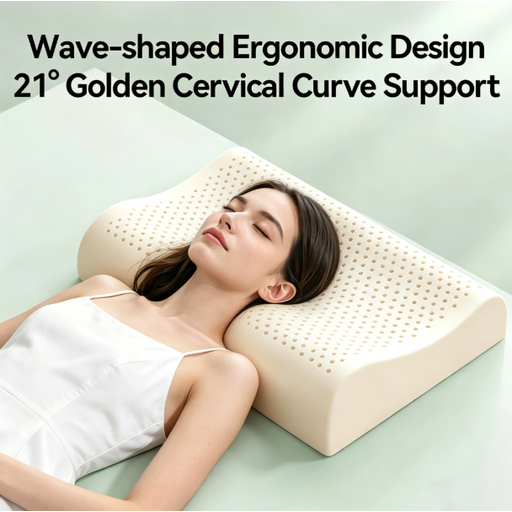
Why It's a Match: The ergonomic wave shape with two selectable heights (10/12 cm) allows for precise adjustment to shoulder width. The responsive latex material provides stable head support without forcing the shoulder into the mattress, which reduces tension in that area.
It refutes the "one-size-fits-all" myth with its dual-height design. The natural latex is inherently breathable and effectively prevents the problem of heat retention.
High point elasticity and breathability from a core of 93% natural latex. Provides durable, resilient support.
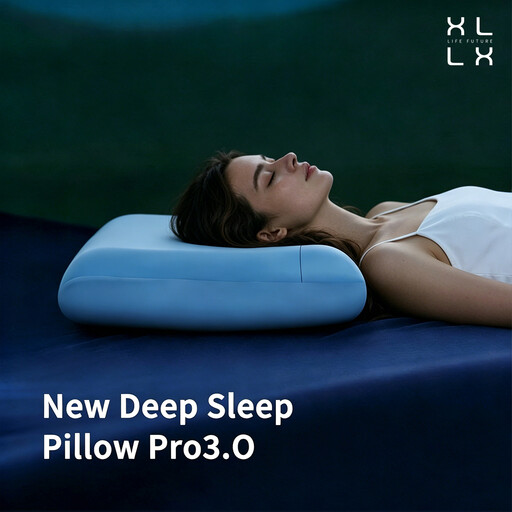
Why It's a Match: This pillow is designed for users who require differentiated support. The 3-layer construction combines a soft, adaptive top layer with a firmer support layer and a stable base. This prevents the feeling of "sinking through" while still providing comfort.
The complex 3-layer construction is the antithesis of a simplistic "one-size-fits-all" approach. The moisture-wicking cover also actively addresses the problem of heat retention.
Targeted zoned support through a multi-layer foam construction. Offers a fine-tuned balance of soft pressure relief and firm support.
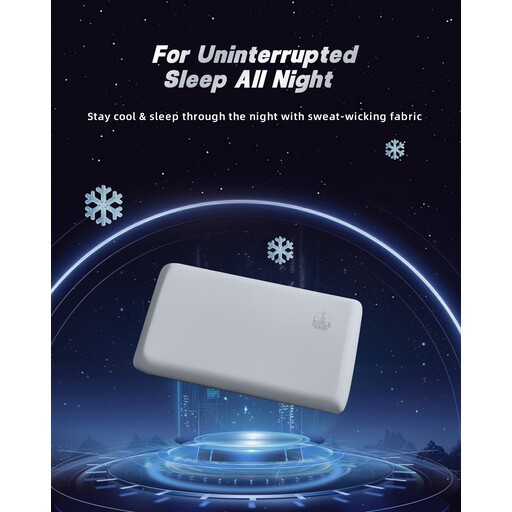
Why It's a Match: This pillow offers the proven pressure-relieving properties of memory foam in a classic ergonomic shape. With a height of 10 cm, it is a solid choice for many back and side sleepers of average build who are looking for an effective and accessible solution.
It makes no vague promises, instead offering a clearly defined height (10 cm) and a proven ergonomic shape that works well for a large group of users without claiming to be perfect for everyone.
Delivers the core benefits of a memory foam pillow—pressure relief and ergonomic support—at an excellent value for money.
We have compiled a complete, up-to-date list of products that fully meet these strict selection criteria and safety regulations.
An adjustment period of one to two weeks is normal. Your body, especially your neck and shoulder muscles, needs to adapt to the new, correct posture. For the first few nights, the pillow might feel unusual or even slightly uncomfortable. Give yourself and the pillow some time.
The core of a memory foam or latex neck support pillow should never be machine washed or fully submerged in water, as this will destroy the material's structure. For stains, you should only spot clean with a damp cloth and a mild detergent. The removable cover is usually machine washable; please follow the manufacturer's care instructions.
The ideal height ensures that your spine forms a straight line from your cervical spine to your pelvis. A rule of thumb is that the pillow height should roughly match your shoulder width (measured from the base of your neck to the edge of your shoulder). Many ergonomic pillows offer different heights, so you can test which side is more comfortable for you. The goal is to prevent your neck from bending up or down.