
Lieferung heute & morgen

Qualitätsgarantie

Willkommens-Angebote freischalten: KOSTENLOSE Lieferung | Bis zu 80 % RABATT | Kostenlose 30-Tage-JoyPlus-Testphase
App herunterladen
By Joybuy Product Recommendation Officer, July 28, 2026
Anyone who wakes up with neck tension knows the problem: the pillow that should be providing comfort becomes the source of discomfort and poor sleep. A neck support pillow promises relief by bringing the cervical spine into a neutral position. However, the market is overwhelming and full of marketing promises that often create more confusion than clarity.
Before you make a purchasing decision, it's important to understand the most common pitfalls that can lead to a bad buy.
This guide will show you which objective criteria matter when making your choice and how to find a durable, suitable model for your needs.
To find a suitable orthopaedic pillow that sustainably improves sleep quality, you should check three core parameters. These will help you distinguish marketing claims from genuine product features.
The material determines comfort, support, and durability. Viscoelastic foam, also known as memory foam, is widely used because it adapts to the contours of your head and neck through body heat and pressure.
Pillow height is the decisive factor for correct spinal alignment and can help make pillows for neck and shoulder pain effective.
A good sleeping climate and easy hygiene are essential for daily use.
Based on the criteria mentioned, we have identified some models that are suitable for different user profiles and requirements.
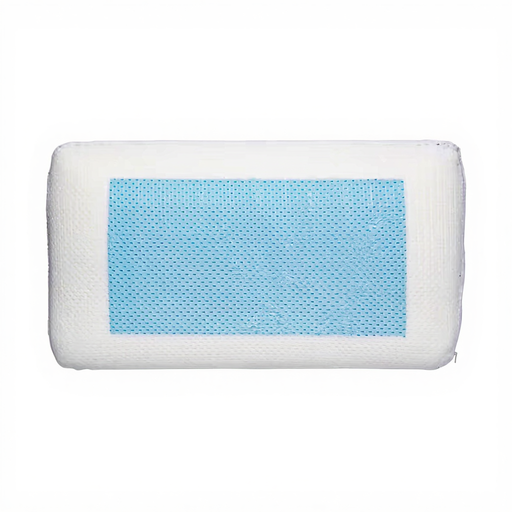
Why This Fits Their Persona: Ideal for users who want to try the benefits of an ergonomic pillow without a major investment. It offers solid core functionality for improved neck support.
The integrated gel layer counteracts the typical heat buildup of basic memory foam pillows, ensuring a more comfortable sleep climate.
Combines an ergonomic shape and temperature-regulating gel at an accessible price. The cover is washable for easy hygiene.
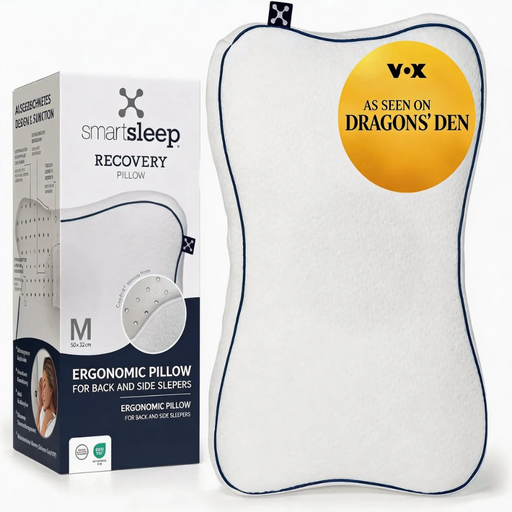
Why This Fits Their Persona: Specifically designed for people who primarily sleep on their side or back and are looking for precise support to align the spine.
This pillow bypasses the 'one-size-fits-all' trap with a specific shape featuring a head cradle, which ensures stable and anatomically correct positioning for certain sleep postures.
Integrated air channels promote air circulation. According to the manufacturer, the material is OEKO-TEX certified, making it suitable for sensitive users.
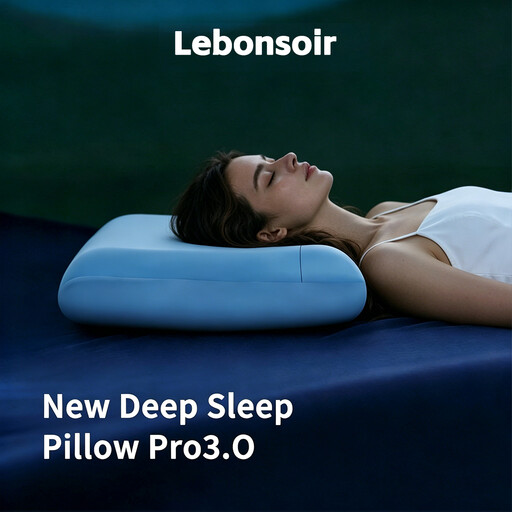
Why This Fits Their Persona: Suitable for individuals seeking a durable, highly advanced solution who value balanced pressure relief and stable support.
The 3-layer construction of different foams counteracts the problem of short-lived support by combining a stable base with a soft comfort layer.
The multi-layer design provides differentiated support: a soft cradle for the head, medium support for the neck, and a firm base for stability.
We've compiled a complete, up-to-date list of products that fully meet these strict selection criteria and safety standards.
Switching from a conventional to an ergonomic pillow can require an adjustment period of a few days to two weeks. During this phase, the neck and shoulder muscles adapt to the new, correct posture. It is normal for the pillow to feel unusual or even slightly uncomfortable at first.
A high-quality memory foam pillow typically has a lifespan of two to three years. A clear sign that a replacement is necessary is when the pillow no longer quickly returns to its original shape after use (visible indentations) or the support noticeably diminishes. Regular replacement is also recommended for hygiene reasons.
Not necessarily. The crucial factor is not firmness, but correct support. The pillow should fill the space between the head, neck, and mattress without pushing the cervical spine up or down. A pillow that is too firm or too high can increase pressure on the neck and worsen discomfort. The goal is a neutral, straight alignment of the spine.