
Lieferung heute & morgen

Qualitätsgarantie

Willkommens-Angebote freischalten: KOSTENLOSE Lieferung | Bis zu 80 % RABATT | Kostenlose 30-Tage-JoyPlus-Testphase
App herunterladen
By the Joybuy Product Recommendation Officer, August 30, 2026
A restful night's sleep is the foundation for a productive day. Yet, for many people, the morning begins with neck strain and discomfort. An ergonomic neck support pillow is often touted as the solution, but the market is saturated and full of marketing promises. The result is often expensive, poor purchases that worsen the problem rather than solve it.
As your Joybuy Product Recommendation Officer, I'm here to filter out the noise. In this guide, I'll reveal the three most common pitfalls when buying a pillow and explain the crucial features you truly need to look for to make an informed decision.
Before you invest, you should be aware of the typical issues that lead to disappointment and persistent discomfort.
To avoid these traps, focus on three objective criteria. These will help you find a durable pillow for neck pain that's right for you.
The material determines the pillow's supportive properties, breathability, and durability.
The shape of the pillow must match your preferred sleep position to keep the spine in a neutral, straight line.
A functional pillowcase significantly contributes to sleep comfort. It should be removable and washable at a minimum of 40°C. Breathable materials like Tencel, bamboo fibres, or special microfibre fabrics promote moisture-wicking and ensure a dry sleep climate.
Here are a few recommendations tailored to specific user profiles and the quality criteria mentioned above.
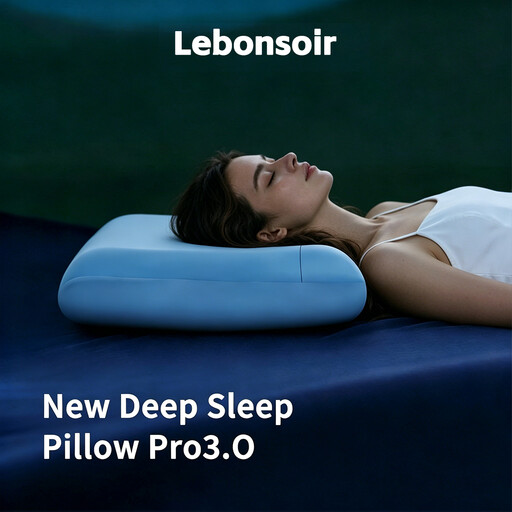
Why This Fits Their Persona: Ideal for office workers or individuals who sit for long periods. The design aims to relieve tension built up during the day from poor posture. Its shape is well-suited for back and side sleepers.
The 3-layer construction of support and comfort foam prevents rapid sagging (loss of support). The breathable cover counteracts heat buildup.
Targeted support for the neck and shoulders thanks to its ergonomic contour. The central depression can facilitate easier breathing in the back-sleeping position.
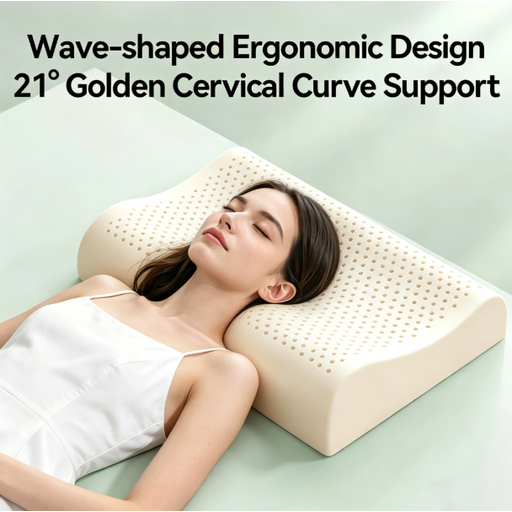
Why This Fits Their Persona: For users who value natural materials, durability, and a healthy sleep environment. Ideal for allergy sufferers and people who prefer a buoyant yet stable support.
Natural latex is inherently shape-retentive and durable, which counteracts the trap of losing support. Its open-cell structure makes it highly breathable and prevents heat buildup.
Made from 93% natural latex, making it resistant to dust mites and mould. The wave shape offers two different heights to suit various needs and sleep positions.
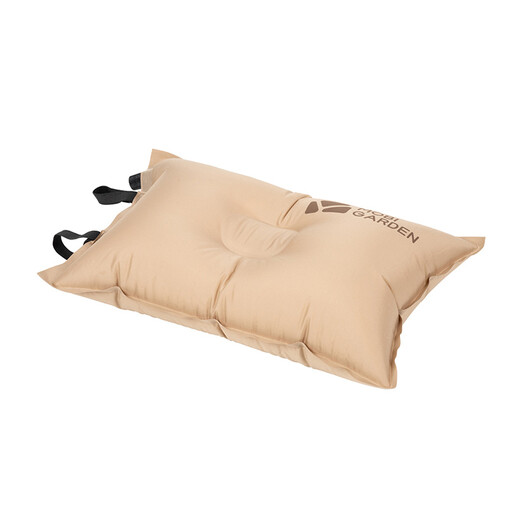
Why This Fits Their Persona: For people who don't want to sacrifice neck support on the go. Its low weight (approx. 260g) and small packed size make it the ideal companion for travel, camping, or a power nap at the office.
This pillow bypasses the "one-size-fits-all" trap because its firmness can be individually adjusted by the amount of air. It's a specialty product and doesn't promise a universal solution for daily sleep.
Self-inflating via the foam core and a one-way valve. The water-repellent fabric is practical for outdoor use and easy to clean.
We have compiled a comprehensive, up-to-date list of products that meet these strict selection criteria and comply with current safety regulations.
1. How long does it take to get used to an ergonomic neck support pillow? An adjustment period of 3 to 14 days is normal. Your neck and spine need to adapt to the new, correct alignment. It can be helpful to initially use the new pillow for only a few hours per night and gradually increase the duration.
2. How high should my orthopaedic pillow be? The ideal height depends on your build and sleeping position. For side sleepers, a good rule of thumb is that the pillow height should fill the gap between the mattress and your head, allowing the spine to form a straight line. Back sleepers generally need a flatter pillow that supports the neck without pushing the head forward.
3. How often should you replace a memory foam pillow? The lifespan heavily depends on the quality of the foam (its density) and how it's cared for. A high-quality memory foam pillow should be replaced approximately every 2 to 3 years. Visible indentations that no longer return to their original shape or a noticeable loss of support are clear signs that it's time for a change.