
Lieferung heute & morgen

Qualitätsgarantie

Willkommens-Angebote freischalten: KOSTENLOSE Lieferung | Bis zu 80 % RABATT | Kostenlose 30-Tage-JoyPlus-Testphase
App herunterladen
By Joybuy Product Recommendation Officer, August 29, 2026
Restful sleep is the foundation for an energetic day. Yet, many people regularly wake up with tension in their neck and shoulder area. A common reason for this is an unsuitable pillow. A neck support pillow is designed to keep the cervical spine in a neutral position, thereby relieving muscle strain.
However, the market is flooded with products making lofty claims. To help you make an informed decision, we'll highlight the most common purchasing pitfalls and explain the objective criteria that truly matter.
Before you invest, you should be wary of common marketing traps that often lead to a bad purchase.
To find the right pillow, you should focus on verifiable features rather than marketing claims.
The most important feature of a neck support pillow is its ability to optimally fill the space between your head, neck, and mattress.
The material determines not only the comfort but also the durability and supportive function of the pillow.
The traditional large square pillow size, like an 80x80 cm pillow, is often unsuitable for an orthopedic pillow. A large portion of the pillow goes unused and can cause the shoulders to rest on it, which negates the support function in the neck area. An ergonomic pillow usually has a rectangular shape (e.g., 40x80 cm or 40x60 cm) and concentrates support where it's needed: in the cervical spine region.
Here are some product suggestions tailored to different needs and the criteria mentioned above.
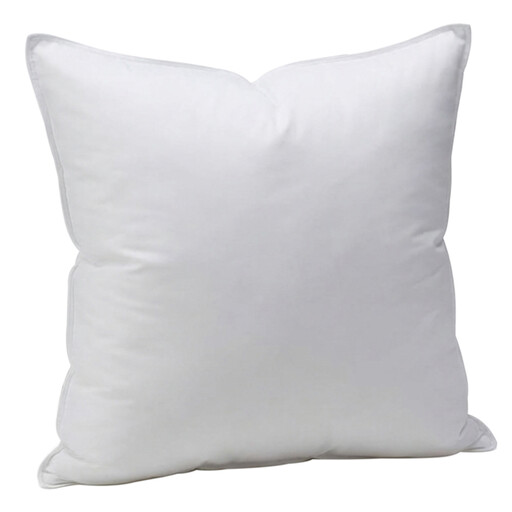
Why it's a good fit: Ideal for those who prefer the familiar feel of a classic pillow but don't want to compromise on a high-quality, hypoallergenic filling. It is suitable for various sleeping positions and offers a good compromise between softness and support.
It avoids the "one-size-fits-all" myth by not being marketed as a specific orthopedic pillow, but as a versatile hotel-style pillow whose filling offers adaptable comfort.
The hypoallergenic fibre filling is easy to care for and suitable for allergy sufferers. The 2-pack offers excellent value for money.
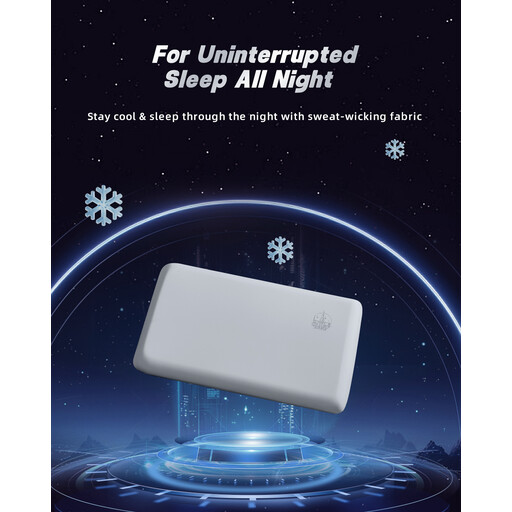
Why it's a good fit: This pillow is specifically designed for people seeking targeted neck relief. Its ergonomic shape, with a curve for the neck and a hollow for the head, is ideal for back and side sleepers.
It debunks the "one-size-fits-all" myth with its specific ergonomic shape, which clearly targets the needs of side and back sleepers with neck discomfort.
The firm memory foam core provides stable and durable support to align the cervical spine. The 10 cm height is suitable for many side sleepers with average shoulder width.
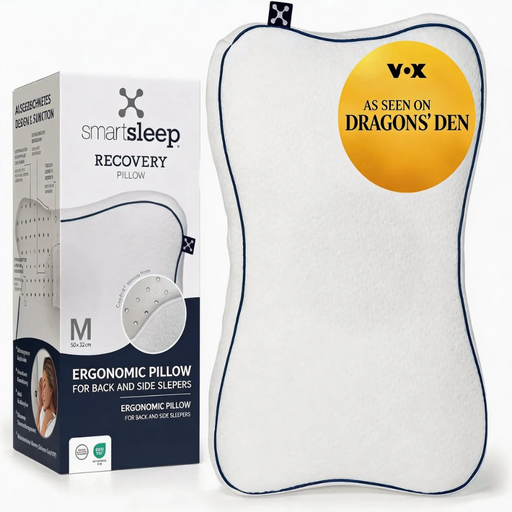
Why it's a good fit: For users who value certified materials and a thoughtful design. This pillow aims to improve sleep quality through a combination of ergonomic design and high-quality materials.
It bypasses the overrated cooling technology pitfall by focusing on true breathability through integrated air channels in the foam core, rather than superficial gel pads.
The materials are tested for harmful substances according to Oeko-Tex, making it a great choice for sensitive individuals and allergy sufferers. The ergonomic shape is optimised for back and side sleepers.
We've compiled a complete, up-to-date list of products that fully meet these strict selection criteria and safety standards.
An adjustment period of a few days to two weeks is normal. Your body needs to adapt to the new, correct sleeping posture. Start by using the pillow for a few hours per night and gradually increase the duration.
The foam core itself should generally not be machine washed, as this would damage the material's structure. However, most neck support pillows have a removable and washable cover. Air out the foam core regularly. Always follow the manufacturer's care instructions.
The ideal height depends on your shoulder width and the firmness of your mattress. Measure the distance from the side of your neck to the end of your shoulder. This is a good starting point for the required pillow height. If your mattress is very soft and your shoulder sinks in deeply, you may need a slightly flatter pillow.