
Lieferung heute & morgen

Qualitätsgarantie

Willkommens-Angebote freischalten: KOSTENLOSE Lieferung | Bis zu 80 % RABATT | Kostenlose 30-Tage-JoyPlus-Testphase
App herunterladen
A new refrigerator is a major purchase for any household. However, anyone looking to buy a refrigerator is often confronted with an overwhelming selection and confusing marketing jargon. Many appliances advertise features that offer little real-world value but drive up the price. To help you make an informed decision based on facts, not marketing promises, we have summarised the most common pitfalls and the criteria that truly matter.
Choosing the wrong model often leads to unnecessarily high electricity bills or frustration in daily use. Three typical sources of error are:
To avoid a poor investment, you should focus on three fundamental parameters. These determine whether a refrigerator truly fits your needs.
The usable capacity, specified in litres, is the most important measurement. A common rule of thumb is to allow for about 100 litres for one person and add 50 litres for each additional person in the household. The choice of type depends on your habits and the available space:
The operating costs of a refrigerator make up a significant portion of the total cost over its lifespan. Therefore, always pay attention to the "kWh/annum" value on the EU energy label. This indicates the estimated annual consumption and allows for a direct cost comparison between different models. A modern Class C appliance can be more economical than a several-year-old appliance of the former Class A+++.
Two technical features have a direct impact on user convenience:
Based on these objective criteria, we have selected a few models for different requirement profiles.
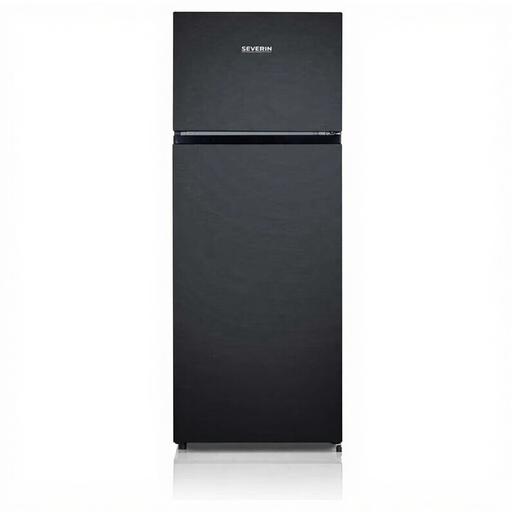
Why This Fits Their Persona: This model is ideal for small kitchens and households looking for a reliable and straightforward solution. With a total volume of 205 litres, it offers enough space for a week's worth of groceries without taking up unnecessary room.
The appliance focuses on the essential functions of cooling and freezing, forgoing expensive "smart" extras. The specified annual consumption of 176 kWh allows for a clear cost calculation.
Compact dimensions (55 cm width), quiet operation at 40 dB, and a reversible door hinge for flexible installation.
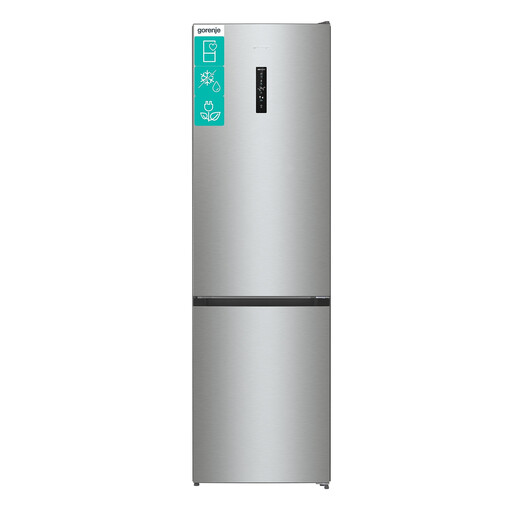
Why This Fits Their Persona: With 331 litres of usable capacity, advanced technology, and high efficiency, this model is tailored to the needs of families who value freshness, convenience, and low operating costs.
The No Frost technology eliminates the tedious task of defrosting and ensures constant efficiency. Its Class C energy rating is an excellent value under the new scale and promises low electricity costs (158 kWh/year).
Very quiet at only 35 dB, a Multi-Airflow system for even cooling, and practical functions like Super Cool and Fast Freeze.

Why This Fits Their Persona: This portable car cooler and camping fridge is designed for anyone who doesn't want to go without reliable cooling on the road. It is perfect for use in a truck, RV, or while camping.
Unlike cheaper thermoelectric boxes, this model uses true compressor technology. This guarantees powerful and reliable cooling performance down to -20°C, regardless of the outside temperature.
Flexible operation with 12/24V DC in a vehicle and 220-240V AC from a wall socket. Low power consumption and a three-stage battery protection system to preserve the vehicle's battery.
We have compiled a complete, up-to-date list of products that fully meet these strict selection criteria and UK safety regulations.
Electricity consumption depends heavily on size, energy efficiency class, and usage. A modern, medium-sized Class C refrigerator consumes about 150-170 kWh per year. An older or larger model in Class E or F, however, can use 250 kWh or more. The exact value is listed on the respective appliance's EU energy label as "kWh/annum" and serves as a reliable basis for comparison.
"No Frost" is a technology that prevents the formation of ice in the freezer compartment. A fan circulates cold, dry air evenly and vents moist air to the outside. This completely eliminates the need for manual defrosting. Not only does this save time and effort, but it also ensures consistently low energy consumption and better food storage, as items do not get covered in ice.
The average lifespan of a refrigerator is about 10 to 15 years. The actual durability is influenced by the quality of the components, the brand, and regular maintenance (e.g., cleaning the seals). Due to significant advances in energy efficiency, it can be financially worthwhile to replace an appliance older than 15 years, even if it is still working. The savings on electricity costs can offset the purchase price of a new, more efficient model over the years.