What should you look for when buying?
First, decide whether you need a specific, stated reduction or simply want to compare standard types of nuts. Then choose the right pack based on its ingredients, any information your guests need and the quantity required.
| Criterion |
What to check when buying |
Who it matters most to |
| Stated reduction |
Check the specific reduction claim and what it is compared with; compare fat and energy per 100 g on the packaging. |
If a verifiable reduction is essential, choosing a different type of nut isn’t enough for me. Around 36% of consumers would make this their main reason for buying. |
| Fat content of the nut variety |
Compare fat per 100 g for specific products prepared in similar ways, where possible; don’t confuse portion sizes with values per 100 g. |
I want to choose between standard varieties for my snack bowl without treating that as a reduction claim. For around 29% of consumers, comparing varieties would be the main consideration. |
| Ingredients and allergens |
Read the ingredients list and allergen and may-contain information on every pack, especially for roasted or seasoned varieties. |
My guests need to know what’s in the bowl; a simple recipe doesn’t answer every question about allergens. This would be the main concern for around 21% of consumers. |
| Quantity and availability |
Check the net weight, storage instructions and availability at your chosen retailer. |
I want to provide enough for a larger group without ending up with too many opened packs. Around 14% of consumers would prioritise quantity and availability above all else. |
Relevant brands and retailers
The ranges below offer a useful starting point for comparing types of nuts and recipes. The information on each individual pack is what matters.
Seeberger
A range of nuts and kernels, including natural and roasted varieties.
- Seeberger describes its roasted cashews as made without added salt, oil or other additives.
- This recipe doesn’t prove that the nuts’ natural fat content has been reduced.
REWE / ja! / REWE Bio
Cashew varieties with different packaging and ingredient information.
- For ja! roasted unsalted cashews, REWE lists cashew kernels as the ingredient; its REWE Bio cashew kernels contain 48.4 g of fat per 100 g.
- The REWE Bio cashew kernels may contain traces of other allergens. Check the information on the pack you choose.
EDEKA / EDEKA Bio
Organic cashew and walnut kernels with stated fat values for a comparison between specific varieties.
- EDEKA lists 47.8 g of fat per 100 g for its organic cashew kernels and 65.1 g per 100 g for its organic walnut kernels.
- EDEKA notes that packaging information may differ from product pages and that not every product is available in every store.
Lidl / Alesto
A range of natural nuts and seasoned party snacks.
- Lidl lists natural cashews in its Alesto range.
- Natural and seasoned varieties have different ingredients; check the fat and salt information on the specific pack.
ALDI SÜD / Farmer Naturals
Nuts and dried fruit, including selected cashew and roasted nut products.
- ALDI SÜD has a nuts and dried fruit category.
- For products in changing ranges, the ingredients and nutritional values on the pack actually on offer are what count.
Nut products at Joybuy
These products are worth considering when comparing standard nuts and how they’re prepared. Their variety or ingredient information alone doesn’t make them products with a specific stated reduction in fat; if you have a firm reduction requirement, check the information on the individual pack.
 No image available
Seeberger roasted unsalted cashew kernels, 150 g
An option for your New Year’s Eve snack bowl if you’re looking for roasted, unsalted cashews. The pack contains 150 g. If you specifically need a reduction in fat, check the product information and what it is compared with separately.
If any guests have allergies, check the information on the specific pack before serving.
View at Joybuy
 No image available
Jeden Tag organic pine nuts, 50 g
The 50 g pack gives you another variety to add to your planned nut mix; make sure the quantity is right for your gathering. The variety name alone doesn’t indicate a reduction in fat.
Before serving, check the pack for may-contain information if any guests need to avoid allergens.
View at Joybuy
 No image available
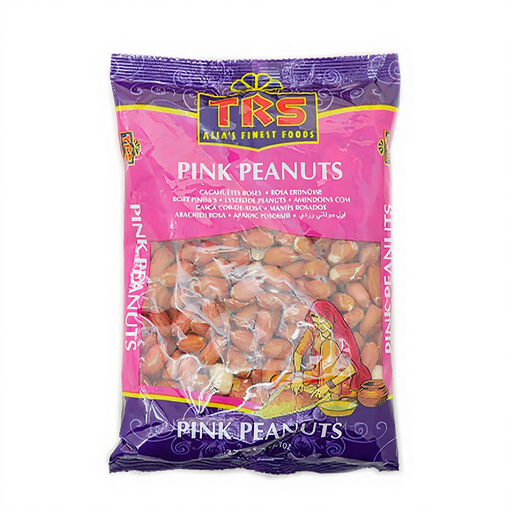
TRS Pink peanut kernels, 375 g
The 375 g pack is worth considering if you want to prepare peanuts yourself for the party: the kernels are raw, so allow time to prepare them as you wish.
Peanuts are an allergen. If you specifically need a reduction in fat, the variety name and pack size aren’t enough to prove it.
View at Joybuy
Frequently asked questions
Are cashews automatically reduced-fat?
No. EDEKA lists 47.8 g of fat per 100 g for its organic cashew kernels, compared with 65.1 g per 100 g for its organic walnut kernels. This is a comparison between two products, not a reduction claim for cashews. If you need a reduction claim, check the pack you choose.
Does roasting nuts without oil reduce their fat content?
‘No added oil’ means no oil was added during preparation; it doesn’t prove that the nuts’ natural fat content has been reduced. Seeberger describes its roasted cashews as containing no added oil or salt. If you’re choosing based on fat content, check the nutritional information per 100 g.
How can I keep allergen information available alongside my New Year’s Eve snack bowl?
Keep the original packaging and match it to the products you serve. Check any may-contain information as well as the ingredients: REWE, for example, states that its organic cashews may contain traces of other allergens. A short ingredients list doesn’t prove that a product is suitable for everyone with an allergy.
How should I store leftover nuts?
Follow the instructions on the individual pack and reseal any opened products. For ja! roasted unsalted cashews, REWE recommends storing them in a dry place and protecting them from heat and light. Don’t assume the same instructions apply to every other nut mix.


