
Lieferung heute & morgen

Qualitätsgarantie

Willkommens-Angebote freischalten: KOSTENLOSE Lieferung | Bis zu 80 % RABATT | Kostenlose 30-Tage-JoyPlus-Testphase
App herunterladen
Preparing for a baby's arrival is a special time, but it also involves many decisions. Choosing the right clothing, in particular, can be a challenge given the overwhelming number of options. Which materials are suitable? What features are genuinely practical? This article serves as an objective guide to help you assemble a functional and safe newborn wardrobe for 2026. We focus on verifiable product features and recognised standards to offer you clear guidance.
Before we present specific product recommendations, here are three key criteria that play a role in selecting baby clothing.
A newborn's skin is especially sensitive. Therefore, skin-friendly and breathable materials are of great importance. Fabrics made from pure cotton are often a good choice as they are soft and absorb moisture well. A reliable indicator for textile safety is the OEKO-TEX STANDARD 100. This label confirms that the product has been tested for a list of over 350 harmful substances and complies with the strict limits. This certification provides crucial guidance, especially for clothing worn directly against the skin, such as a cotton baby sleepsuit.
Baby clothes should not only look good but also make daily life easier and support the child's development. For the first few months, for example, footed sleepsuits are practical because they keep the feet warm and eliminate the need for extra socks, which are easily lost. As your child becomes more mobile and starts to crawl, other aspects gain importance. Crawler socks or anti-slip socks for babies with grips on the sole and instep can provide the necessary traction on smooth floors like parquet or tiles, making those first attempts at moving safer.
Different items of clothing are required depending on the season. While warm overalls and hats are the priority in winter, protection from sun exposure is crucial in summer. UV protection clothing for babies is a sensible addition to sunscreen and staying in the shade. Look for products certified according to the UV Standard 801. This standard tests the UV protection factor not only when new and dry but also under realistic conditions—that is, when wet, stretched, and after multiple washes.
Based on the criteria mentioned above, we have put together a selection of clothing items from the LaLoona Baby Clothing brand, which stand out for their material properties and thoughtful functionality.
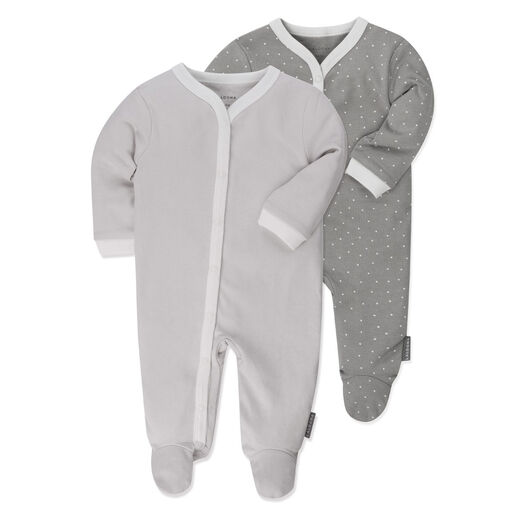
Why it stands out: This two-piece set combines a simple design with practical details for the night. The pure cotton material and the full-length snap placket are tailored to the needs of newborns.
Benefits:
Who it's for: Parents looking for a functional and skin-friendly cotton baby sleepsuit for their newborn essentials during the first few months.
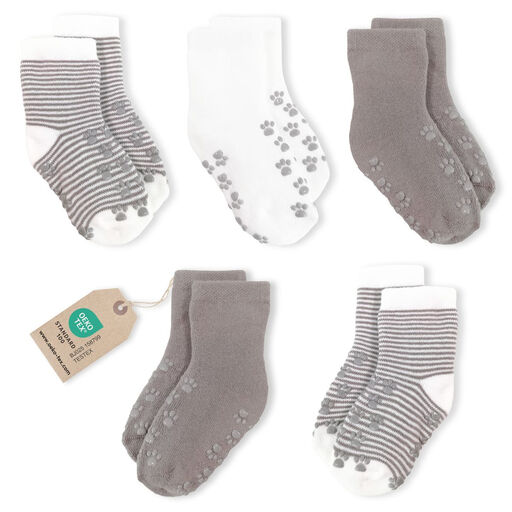
Why it stands out: These socks are specially designed for the stage when babies start to explore their surroundings. The anti-slip grips are placed not only on the sole but also on the instep to provide support while crawling.
Benefits:
Who it's for: Parents of babies who are becoming mobile and need secure support in the form of anti-slip socks for their first movements on smooth floors.
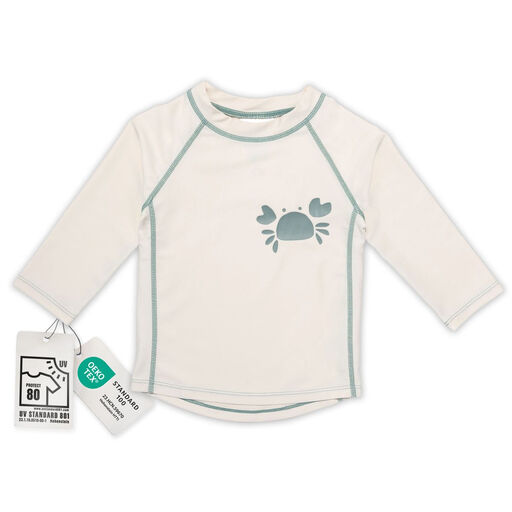
Why it stands out: This swim romper offers high, rigorously tested UV protection. The design with long sleeves and a high collar protects particularly sensitive areas of the skin from the sun.
Benefits:
Who it's for: Families looking for reliable UV protection clothing for their baby for trips to the beach or the outdoor pool, which protects even when wet and during movement.
Note: UV protection clothing does not replace the use of sunscreen on uncovered skin or the need to avoid the midday sun. It is not a protection against drowning and should only be used under adult supervision.
The products presented here cover basic needs in various situations. However, every family and every child has individual requirements. If you are looking for other sizes, designs, or more clothing items for your newborn wardrobe, you will find additional alternatives in our broader collection.
Discover our entire collection of baby clothing.
A basic set usually includes several of each item, as babies need to be changed frequently. A typical list includes:
Look for soft, breathable, and natural materials like cotton, wool, or silk. Avoid synthetic fabrics that could irritate the skin. Certifications like the OEKO-TEX STANDARD 100 provide additional assurance that the textiles have been tested for harmful substances.
The exact number depends on how often you plan to do laundry. As a rule of thumb, it is advisable to have at least 6–8 bodysuits and 4–6 sleepsuits in the smallest sizes (50/56) ready for the first few weeks. Since babies grow quickly, it's wise not to buy too many items in the smallest size and to already have some clothes in the next size up (62/68) on hand.