
Lieferung heute & morgen

Qualitätsgarantie

Willkommens-Angebote freischalten: KOSTENLOSE Lieferung | Bis zu 80 % RABATT | Kostenlose 30-Tage-JoyPlus-Testphase
App herunterladen
Putting together your newborn essentials can be a challenge for expecting parents, especially when it comes to bottle feeding. The market offers an overwhelming variety of products, and marketing promises don't make the decision any easier. As your Joybuy Product Recommendation Officer, I'll help you understand the essential criteria and avoid common purchasing mistakes, so you can make an informed choice for your baby.
Many well-intentioned purchases prove to be impractical in daily life. Watch out for these three typical pitfalls to avoid wasting money:
To find the right equipment, you should focus on objective and verifiable product features. The following three criteria are central to your baby's safety and comfort.
A BPA-free baby bottle is now the legal standard in the EU. This means the bottles do not contain Bisphenol A. However, you should still pay attention to the materials used. Most bottles are made of Polypropylene (PP), a lightweight and shatterproof plastic. The nipples are typically made of silicone, which is hygienic and durable. Check that all materials are approved for food contact and suitable for sterilisation.
The shape of the nipple is critical for a relaxed feeding experience. A breastfeeding-friendly bottle often features a wide, breast-like nipple designed to ease the transition between breast and bottle. This is particularly important for parents who practice combination feeding.
An anti-colic bottle is equipped with a ventilation system. This system prevents the baby from swallowing too much air while drinking, which is a common cause of colic and discomfort. The mechanism can vary—from valves in the nipple to special base vents, like those found in brands such as MAM.
A cohesive overall system saves time and stress. Ensure that baby bottles, bottle warmers, and the baby bottle sterilizer are compatible with each other. Some brands, like Philips Avent or Chicco NaturalFeeling, offer complete product lines where all components are designed to work together. A good baby bottle set can be a sensible starting point and often makes a practical gift for expecting parents.
Instead of making a one-size-fits-all recommendation, we have curated products for different user profiles.
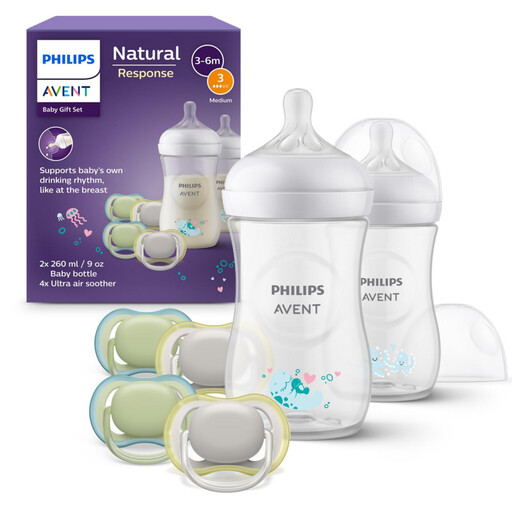
Why This Fits Their Persona: This set is designed for parents who combine breastfeeding and bottle feeding. The nipple is engineered to support the baby's natural drinking rhythm and minimise nipple confusion.
It debunks the "universal" bottle myth by offering a specialised solution for combination feeding. According to the manufacturer, Philips, the nipple only releases milk when the baby is actively drinking, much like at the breast.
Integrated anti-colic valve to reduce air intake. The set includes bottles and pacifiers, making it a practical starter pack.
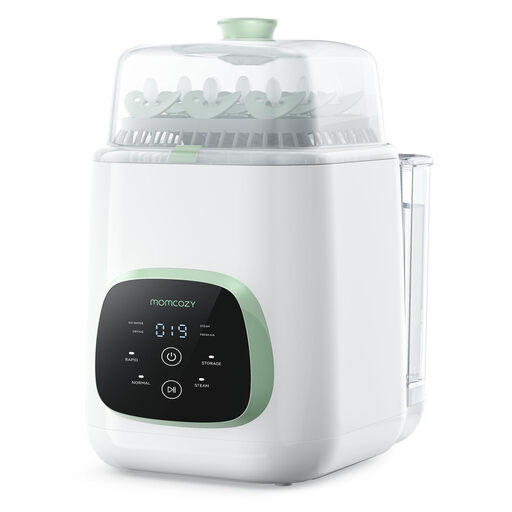
Why This Fits Their Persona: For busy parents where every minute counts. This device automates the entire cleaning cycle for baby bottles and accessories—from washing and sterilising to drying.
It solves the problem of high-effort cleaning. Instead of washing each part by hand and sterilising in a separate unit, this appliance handles the entire process.
All-in-one function: Washes, sterilises, and dries in a single device. 26 high-pressure water jets ensure a thorough clean. Capacity for up to 4 bottles plus accessories.
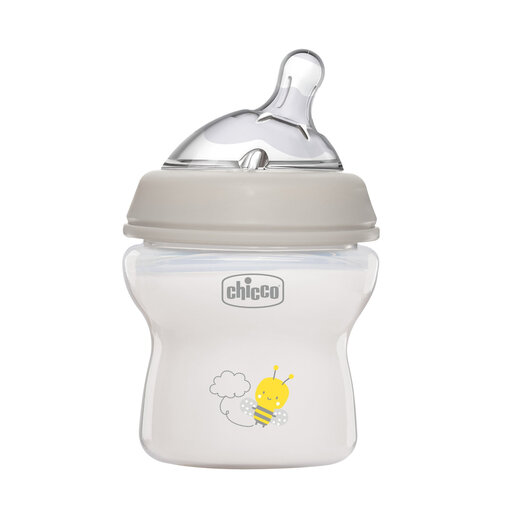
Why This Fits Their Persona: A solid and affordable option to get started. This bottle focuses on the essential features important for newborns, without unnecessary complexity.
It avoids the pitfall of overly complex systems. With its wide neck, it's easy to fill and clean. The focus is on reliable, core functionality.
Dual anti-colic valve to reduce air intake. The angled nipple ensures it stays full of milk during feeding.
We've compiled a complete, up-to-date list of products that fully meet these strict selection criteria and European safety regulations.
To start, we recommend getting around 6 to 8 bottles. This ensures you always have a clean, sterilised bottle on hand, even if you can't wash and sterilise immediately after every feed. If you are exclusively bottle-feeding, you may need more.
Nipples are consumable parts and should be checked regularly. Replace a nipple immediately at the first signs of cracks, discolouration, or stickiness. As a general guideline, most manufacturers recommend replacement every 1 to 2 months for hygiene and safety reasons.
In principle, yes, but it's not always practical. The threads on bottles and screw rings are often not cross-brand compatible. Likewise, nipples from one brand rarely fit bottles from another. To avoid compatibility issues, it's advisable to stick with one system, especially for bottles, nipples, and accessories like breast pumps or storage containers.