Japanese sunscreens have carved out a niche in the skincare world, thanks to their technologically advanced formulations and superior cosmetic elegance. Unlike many Western products that focus primarily on protection against sunburn (UVB radiation), Japanese manufacturers place equal importance on preventing skin ageing caused by UVA radiation. This is reflected in their lightweight textures, modern filter systems, and high protection factors. The focus is on creating products that seamlessly integrate into a daily routine without leaving a white cast or a sticky residue.
Buyer's Guide: What to Look for When Choosing
Selecting the right Japanese sunscreen depends on objective, technical parameters. Understanding these criteria is crucial for making an informed decision.
SPF (Sun Protection Factor) and PA Rating
- SPF (Sun Protection Factor): This factor indicates the level of protection against UVB radiation, which is the primary cause of sunburn. An SPF 50 sunscreen or 50+ offers high protection, filtering a significant portion of UVB rays. In Japan and the EU, SPF 50+ means the measured protection factor is 60 or higher.
- PA Rating: The "Protection Grade of UVA" (PA) system, common in Asia, measures protection against UVA rays. These rays penetrate deep into the skin, contributing to premature ageing and hyperpigmentation. The scale ranges from PA+ (low protection) to PA++++ (extremely high protection). Products with the highest rating offer the most comprehensive prevention against UVA-induced skin damage.
Filter Technology: Chemical vs. Mineral
Sunscreen formulations use different UV filters, which vary in how they work:
- Chemical Filters: These organic compounds (e.g., Tinosorb S, Uvinul A Plus, Mexoryl) absorb UV radiation and convert it into heat. Modern Japanese formulations often use new-generation filters that offer high stability and broad-spectrum protection with a lower potential for irritation. They enable very lightweight facial sunscreen textures without a white cast.
- Mineral Filters: Zinc oxide and titanium dioxide are inorganic particles that primarily reflect and scatter UV radiation. They are considered very well-tolerated and are often suitable for sensitive skin, but can leave a visible white cast depending on the particle size and formulation.
Many J-Beauty sunscreen products are hybrid formulations that combine the benefits of both filter types.
Texture and Water Resistance
Ease of application is a key feature of Asian sunscreens. Textures range from watery essences and lightweight gels to milky lotions. The choice depends on your skin type and personal preference.
For sports or heavy sweating, a water-resistant sunscreen is essential. Water resistance is typically declared after standardised tests (e.g., 40 or 80 minutes in water). Some brands, like Anessa, use technologies where the protective film is actually strengthened upon contact with water or sweat.
Product Recommendations For You
The following products have been selected for their specific technical properties and formulations.
1. ANSE Ultra Water-Resistant Golden Bottle Sunscreen Lotion SPF50+ PA++++
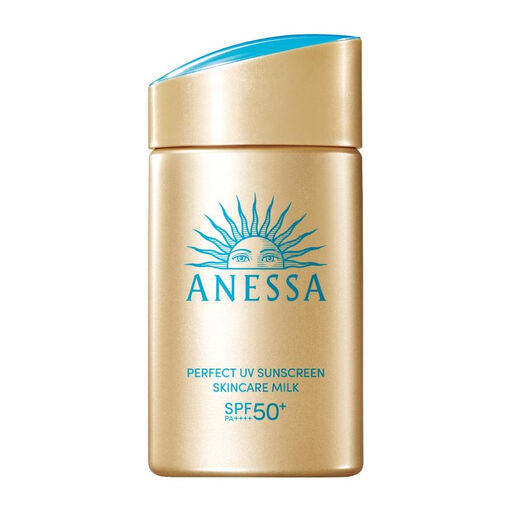
- Why we recommend it: This lotion stands out for its high water resistance. According to the manufacturer, its "Aqua Booster" technology is activated upon contact with water or sweat, strengthening the UV protective film. The formula provides very high broad-spectrum protection with SPF50+ and PA++++.
- Pros:
- Very high water resistance (rated for 80 minutes).
- Lightweight, fast-absorbing lotion texture for face and body.
- Contains moisturising ingredients like glycerin, soluble collagen, and acetylated hyaluronic acid.
- Who it's for: Individuals with an active lifestyle, for use during outdoor activities and water sports. Users looking for a maximally resilient formula.
2. Rohto Skin Aqua Tone Up UV Essence Sunscreen, Lavender SPF 50+
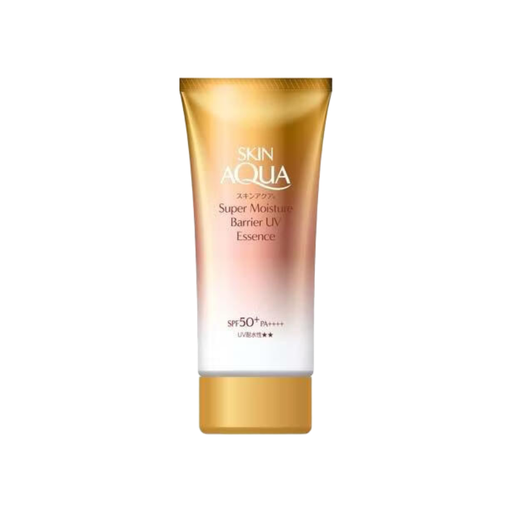
- Why we recommend it: The Skin Aqua Tone Up Essence combines high UV protection (SPF50+/PA++++) with a colour-correcting function. Its lavender tint helps to visually neutralise sallow or dull skin tones, creating a brightened complexion. The "Barrier Fit Formula" is designed to form an even protective film that adheres well to the skin.
- Pros:
- Colour-correcting lavender tone for a more radiant complexion.
- Lightweight essence texture that works well as a makeup base.
- Contains moisturising serum ingredients like sodium hyaluronate and isomerized sugar.
- Who it's for: Users who want to conceal a dull skin tone while getting high UV protection. Ideal for daily city use and as a primer under makeup.
3. Anessa Golden UV SPF 50+ Protection Lotion for Sensitive Skin
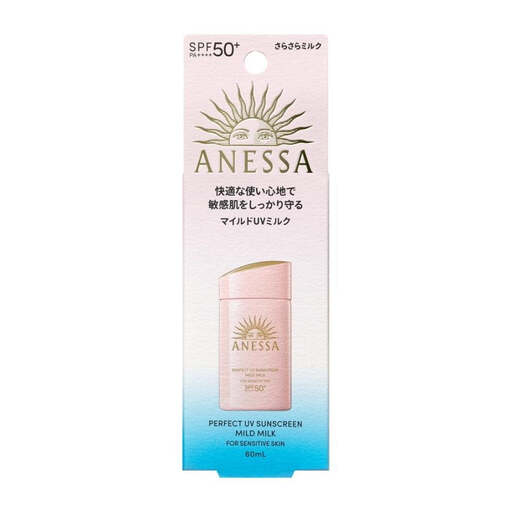
- Why we recommend it: This version from the Anessa line is specifically designed for sensitive skin. It uses a hybrid formulation containing both modern chemical filters and mineral filters (zinc oxide, titanium dioxide) to minimise the risk of irritation. The formula is free from certain additives and includes skin-soothing extracts.
- Pros:
- Formulated for sensitive skin types.
- Hybrid filter system with mineral and chemical filters.
- Contains nourishing ingredients like green tea extract and acetylated hyaluronic acid.
- Who it's for: Individuals with sensitive, irritation-prone skin who still want high, resilient protection.
Discover More Options
The products featured here cover specific use cases. However, the range of Asian sunscreen is far broader, encompassing diverse textures and formulations for various skin needs. You can find a wider selection of J-Beauty sunscreen products in our Goldblock category.
Frequently Asked Questions (FAQ)
1. What does PA++++ mean on Japanese sunscreen? The PA system is a Japanese standard for measuring protection against UVA rays. PA++++ is the highest rating available, indicating extremely high protection against UVA radiation, which is a major contributor to skin ageing and the formation of dark spots.
2. Can I use Japanese sunscreen every day? Yes, most Japanese sunscreens are specifically designed for daily use. Their lightweight, non-greasy, and fast-absorbing textures (often as an essence or gel) make them ideal for application under makeup without clogging pores or feeling heavy on the skin.
3. Do I need to wash off Japanese sunscreen at night? Yes, all sunscreen should be thoroughly removed at the end of the day to prevent breakouts and skin impurities. For water-resistant formulas in particular, a two-step cleansing routine (Double Cleansing) is recommended: first, use a cleansing oil or balm to dissolve the sunscreen and makeup, then follow up with a water-based cleanser.
Authored by: Joybuy Product Recommendation Officer


