
Lieferung heute & morgen

Qualitätsgarantie

Willkommens-Angebote freischalten: KOSTENLOSE Lieferung | Bis zu 80 % RABATT | Kostenlose 30-Tage-JoyPlus-Testphase
App herunterladen
Dark spots, an uneven skin tone, or the stubborn marks left behind by past blemishes—so-called post-acne marks—can be frustrating. The skincare market promises quick fixes, but exaggerated claims and unclear product information often lead to disappointment and wasted money. Before you invest in another product, it's crucial to understand the most common pitfalls.
Many users fall into the trap of buying a product solely for a highly-praised "miracle ingredient" that promises overnight results. In reality, skincare is a process that relies on well-thought-out formulations and consistent use. Another common mistake is to focus exclusively on treating existing dark spots while neglecting the most critical step: prevention. Without daily sun protection, any attempt to treat hyperpigmentation is unlikely to succeed in the long term, as UV radiation continuously stimulates melanin production.
To make an informed decision and find products that genuinely contribute to a more even complexion, you should focus on a few objective parameters. These will help you realistically assess a product's effectiveness.
Niacinamide (a form of vitamin B3) is a well-researched ingredient known for regulating the transfer of melanin to the upper layers of the skin, thereby helping to lighten dark spots. However, it often reveals its true strength when combined with other active ingredients.
For example, a brightening serum benefits enormously from the addition of antioxidants like vitamin C for skin. While niacinamide evens out skin tone and strengthens the skin barrier, vitamin C protects the skin from free radicals and can also help reduce pigmentation. Other valuable additions include alpha-arbutin or licorice root extract, which also target the mechanisms of pigment formation. A thoughtful combination is often more effective than a single, high-dose ingredient.
The concentration of an active ingredient is important, but it's not the only factor. For niacinamide, concentrations between 2% and 10% have proven effective for improving uneven skin tone and removing acne marks. Higher concentrations are not necessarily better and can lead to irritation in sensitive skin.
Equally crucial is the product's overall formulation. A stable pH and a suitable delivery system ensure that the active ingredient gets where it's needed and maintains its efficacy over time. Look for products with formulations designed for stability and skin compatibility.
This is the non-negotiable cornerstone of any routine aimed at treating hyperpigmentation. UV radiation is the primary trigger for the excessive production of melanin, which leads to age spots on the face and other pigmentation disorders. Without daily broad-spectrum sunscreen with a high SPF (SPF 30 or higher, ideally SPF 50+), you will see little to no progress. A sunscreen with niacinamide can be a smart choice here, as it combines protection and treatment in one step, simplifying your routine.
Based on the criteria above, we have identified products suitable for different needs and user profiles.
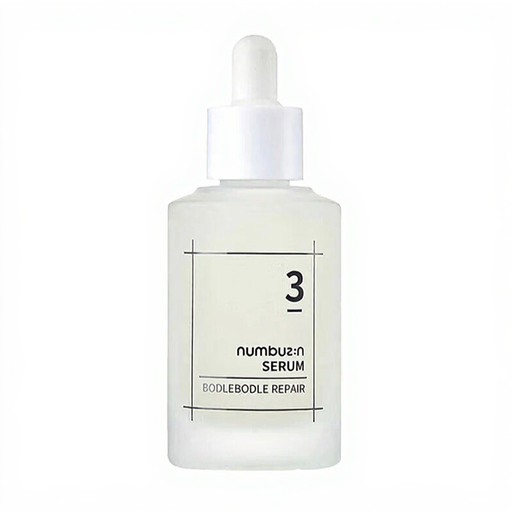
Why this product is a great fit: Ideal for those new to using active ingredients. It not only targets skin tone but also improves skin texture and strengthens the skin barrier with fermented ingredients and niacinamide.
Instead of relying on a single "miracle ingredient," this serum promotes overall skin health and resilience, creating a sustainable foundation for an even complexion.
The combination of Bifida and Galactomyces ferment filtrates with niacinamide works synergistically to improve skin texture and radiance.
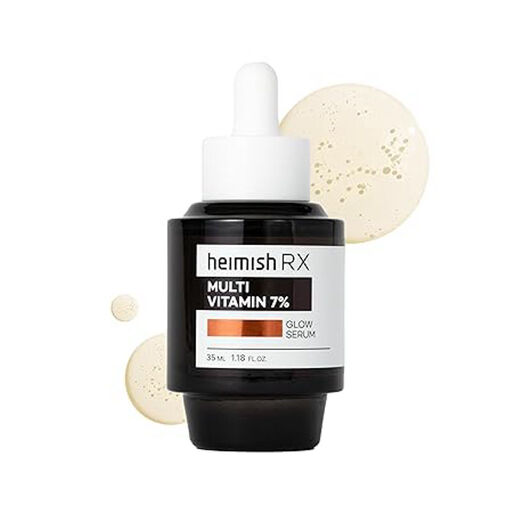
Why this product is a great fit: For anyone looking to specifically brighten dark spots and achieve a radiant complexion. The formulation is designed for maximum brightening effects.
This serum leverages the proven synergy of vitamin C and niacinamide to effectively treat hyperpigmentation, rather than relying on a single ingredient.
Contains 3-O-Ethyl Ascorbic Acid (a vitamin C derivative, 70,000 ppm) and Niacinamide (20,000 ppm) for targeted action, according to the manufacturer.
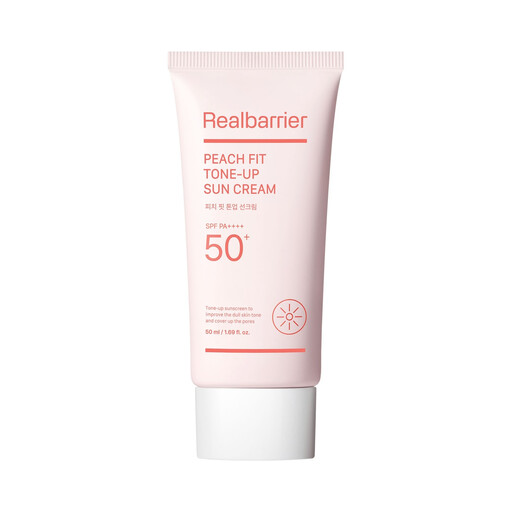
Why this product is a great fit: Perfect for daily use, as it combines high UV protection with skin-caring and corrective properties. It simplifies the morning routine by delivering protection and treatment in one product.
This product directly addresses the most common mistake—neglecting sunscreen. It integrates protection as a fundamental part of the daily correction routine.
Offers very high broad-spectrum protection (SPF 50+ PA++++) while also containing niacinamide, vitamin C, and peach extract to brighten and care for the skin.
We have compiled a complete, up-to-date list of products that fully meet these strict selection criteria and all applicable safety regulations.
Patience and consistency are key. With regular, twice-daily use, initial visible improvements in skin tone can often be observed after 8 to 12 weeks. Treating hyperpigmentation is a long-term process, not a quick fix.
Yes, modern cosmetic formulations are generally designed so that using them together is unproblematic. The two active ingredients can even support each other's effects. A common recommendation is to use vitamin C in the morning to benefit from its antioxidant properties for protection against environmental factors, and to use niacinamide in the morning and/or evening.
Not necessarily. Studies show that concentrations between 2% and 10% are effective for most applications, including the treatment of dark spots. Very high concentrations (over 10%) often do not offer significant additional benefits and can increase the risk of skin irritation, such as redness or dryness. The quality and stability of the overall formulation are often more important than an extremely high concentration of the active ingredient.