
Lieferung heute & morgen

Qualitätsgarantie

Willkommens-Angebote freischalten: KOSTENLOSE Lieferung | Bis zu 80 % RABATT | Kostenlose 30-Tage-JoyPlus-Testphase
App herunterladen
Niacinamide is found in many products designed to promote a more even-looking complexion, boost hydration and care for the skin barrier. The choice ranges from niacinamide serum and niacinamide cream to niacinamide toner and face masks. However, this wide variety can also lead to unsuitable purchases.
Niacinamide 5 per cent, 10 per cent, 15 per cent and 20 per cent appeal to different shopping needs. A higher concentration does not automatically mean better tolerance or more suitable results. For sensitive, dry or redness-prone skin, a lower-strength product may be the easier choice.
It is also important to check the information on the packaging. Some products are marketed as containing niacinamide alongside other active ingredients or plant extracts. The percentage should refer specifically to niacinamide, not to the entire active-ingredient blend.
Terms such as “Glow”, “Brightening”, “Pore Refining” or “Glass Skin” often describe the desired skincare direction, but they do not guarantee a particular result. For an informed choice, consider the INCI list, product type, concentration, skin feel and usage instructions.
If you are looking for facial care for blemish-prone skin, you should also check for other ingredients. Salicylic acid or azelaic acid may be included in the formula, but they also increase the need to introduce the product gradually into your routine.
A niacinamide product may also contain parfum, fragrance allergens that must be declared, or alcohol. This is not necessarily a reason to rule out the product, but it can be relevant for sensitive skin. Before buying, it is therefore worth checking the product description and the current ingredients list on the packaging.
The percentage alone does not tell you everything. Glycerin, hyaluronic acid, panthenol, ceramides or squalane can complement the skincare profile. For dry skin, a combination of niacinamide and hydrating ingredients is often more practical than choosing the highest-strength standalone product possible.
A niacinamide serum is suitable for targeted use after cleansing. A niacinamide cream, on the other hand, can combine several skincare steps and is usually used to finish your routine. A niacinamide toner is a lightweight layer applied after cleansing. A niacinamide mask is designed as a time-limited extra treatment and does not necessarily replace your daily moisturiser.
Several lightweight layers are typical of Korean skincare. In the UK, however, it is still best to keep your routine manageable: cleanser, one selected active product, moisturiser and sun protection in the morning are enough for many users.
For oily skin, lightweight gel textures or lotions may feel more comfortable. Dry skin tends to benefit from glycerin, hyaluronic acid, panthenol or squalane. For sensitive skin, fragrance-free formulations are often easier to assess.
Skincare for pigmentation and a more even-looking complexion may contain additional active ingredients such as tranexamic acid, alpha-arbutin or vitamin C derivatives. These combinations should be chosen based on the complete ingredients list and your individual tolerance limits, rather than marketing claims.
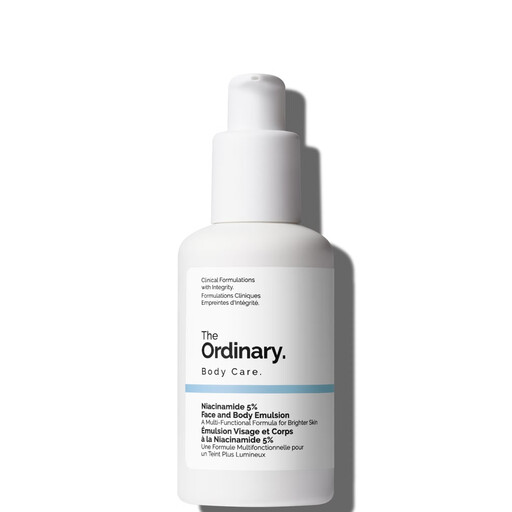
Why this product suits the profile: The emulsion provides 5% niacinamide and 100ml of product for use on the face and body. Its lightweight, serum-like format is designed for a simple routine.
The stated 5% concentration makes it easier to compare with higher-strength serums. The current ingredients list should still be checked before buying.
5% niacinamide, 100ml of product, intended for the face and body.
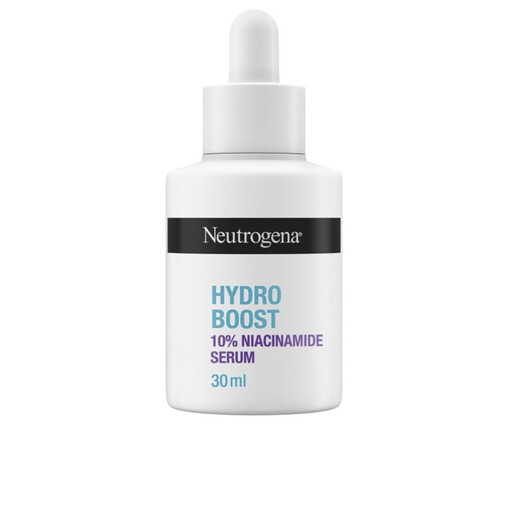
Why this product suits the profile: This 30ml serum combines 10% niacinamide with glycerin and sodium hyaluronate, making it easy to incorporate into an existing routine in the morning and evening.
The active-ingredient concentration and additional hydrating ingredients are clearly stated. A tolerance test is still advisable for sensitive skin.
10% niacinamide, 30ml of product, glycerin and sodium hyaluronate in the formula.
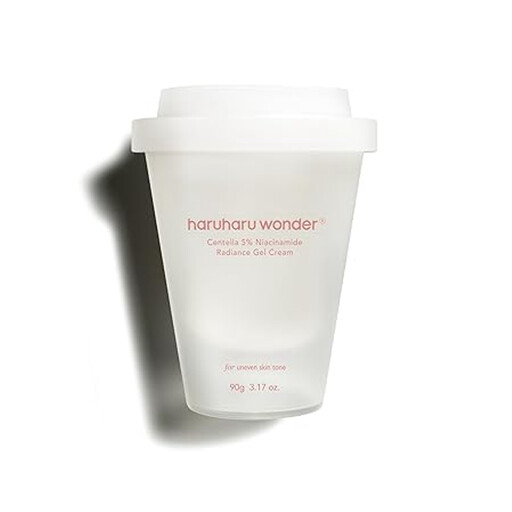
Why this product suits the profile: The gel cream contains 5% niacinamide, Centella Asiatica leaf water, panthenol and squalane. It is intended for daily use on the face and neck.
According to the product information, the formula is free from added fragrance and contains a moderate concentration. Individual tolerance should nevertheless be monitored.
5% niacinamide, 90g gel cream, Centella Asiatica leaf water and squalane.
Start with a small amount on cleansed skin and do not initially use a higher-strength serum every day. Stop using the product if redness, burning or itching occurs. Active products do not need to be combined at the same time. A gradual routine is particularly helpful when using salicylic acid, azelaic acid, retinol or vitamin C derivatives.
In the morning, your routine should include sun protection with suitable labelling after skincare. If you have existing skin problems, severe inflammation or persistent reactions, seeking dermatological advice is sensible. Cosmetic products are not intended to treat medical conditions.
We have put together a complete, regularly updated list of products that fully meet these strict selection criteria and the safety regulations applicable in the EU.
No. The right concentration depends on your skin type, routine and personal tolerance. A product with 5% may be easier for beginners or sensitive skin to use. For 10% or more, gradual introduction is recommended.
Many products are intended for morning and evening use according to their instructions. What matters is the specific product description and how your skin reacts. When trying a new formula, once-daily or less frequent use should be sufficient to begin with.
The best-before date and the open-jar symbol on the packaging are the key indicators. Products should be stored closed, in a dry place and away from direct sunlight. A change in colour, an unusual smell or a significantly altered texture are reasons to stop using the product.