
Lieferung heute & morgen

Qualitätsgarantie

Willkommens-Angebote freischalten: KOSTENLOSE Lieferung | Bis zu 80 % RABATT | Kostenlose 30-Tage-JoyPlus-Testphase
App herunterladen
A niacinamide serum can be a targeted addition to your daily niacinamide skincare routine. This active ingredient is often used in formulations for blemished, oily, dry or sensitive skin. However, the percentage alone does not determine whether a product is right for your routine.
If you focus only on terms such as “glow”, “glass skin” or “refine pores”, you can easily overlook important details: the complete INCI list, additional acids, fragrances or the actual texture. These factors can mean that a product is not suitable for your skin or existing skincare ritual.
Products containing 2, 5, 10, 15 or even 20 per cent niacinamide can be found on the market. However, a higher concentration is not a general mark of quality. With sensitive skin, a highly concentrated formulation may be more likely to cause tightness, redness or stinging. For beginners, a lower concentration is often easier to introduce into a routine.
“Brightening serum” or “niacinamide for pigmentation” usually describes a skincare goal, but it does not replace an objective assessment of the ingredients. Check whether the product contains other active ingredients alongside niacinamide. Acids such as salicylic acid, betaine salicylate or fruit acids may be of interest for blemished skin, but should be combined carefully if your skin is sensitive or already stressed.
Parfum, fragrance allergens that must be declared or alcohol denat. are not automatically problematic, but they can be important factors when choosing a product for reactive skin. A niacinamide cream, niacinamide mask or toner should therefore not be bought based solely on its packaging and brand image.
A serum usually has a light, concentrated texture and is applied after cleansing, often after a toner. A cream is more likely to provide the final stage of care. Toners and masks can provide additional niacinamide, but do not necessarily replace a moisturiser.
Take your skin condition into account:
For niacinamide for sensitive skin, being fragrance-free, having a manageable ingredients list and containing soothing components are practical points to check. Centella asiatica, panthenol, allantoin and ceramides are often used in formulations designed to support the skin barrier.
A pure serum may not be enough for very dry skin. In this case, it can be combined with a niacinamide cream or a neutral moisturiser. With blemished skin, on the other hand, you should look out for heavy textures that may feel uncomfortable.
Start with a small amount on cleansed skin and observe how it reacts. With new products, it is advisable to carry out a patch test on a small area of skin first. Do not use several highly active products at the same time if you are not yet sure how your skin will respond.
In the morning, sunscreen with a suitable sun protection factor should be part of your routine, especially if you are using a brightening serum with other active ingredients. If irritation, swelling or intense stinging persists, stop using the product and seek dermatological advice if necessary.
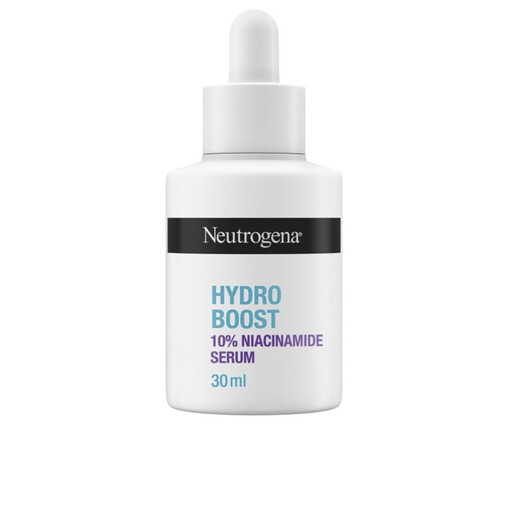
Why this product suits this profile: The 30ml serum can be incorporated into a simple morning or evening routine. The product details list 10 per cent niacinamide, glycerin, acetyl glucosamine and sodium hyaluronate.
The concentration is clearly stated. Moisturising ingredients are also identifiable in the INCI list, rather than the product relying solely on a marketing claim.
Lightweight serum texture, 30ml contents and additional moisturising ingredients.
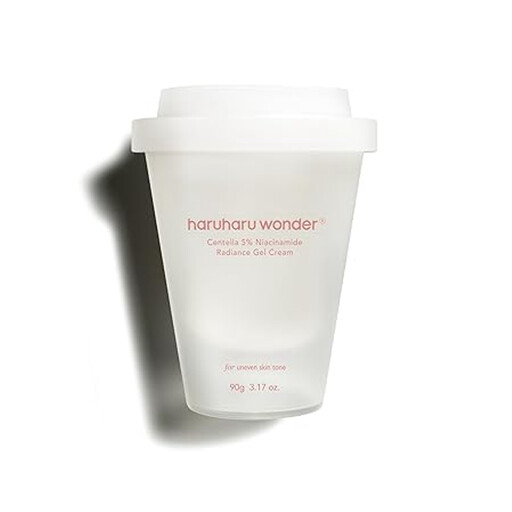
Why this product suits this profile: The gel cream combines 5 per cent niacinamide with Centella asiatica, panthenol and 2 per cent squalane. It is intended for daily use on the face and neck.
The lower concentration and formulation stated to be fragrance-free avoid the assumption that a high percentage is suitable for every skin type.
Gel cream format, 5 per cent niacinamide, Centella asiatica and squalane.
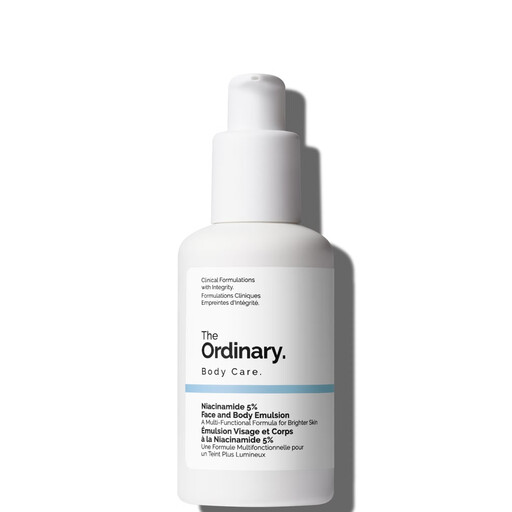
Why this product suits this profile: The 100ml emulsion is intended for the face and body. The format is suitable for people who want to use niacinamide not only on specific areas of the face, but also on the neck, décolletage or arms.
The areas of use and concentration are clearly stated. This makes it easier to plan your supply than with small individual portions.
5 per cent niacinamide, 100ml contents and emulsion format for the face and body.
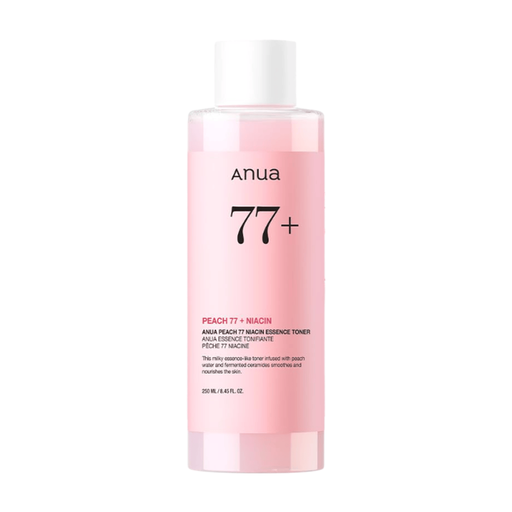
Why this product suits this profile: The 250ml essence toner is designed for use after cleansing. The product details list niacinamide, fermented peach ingredients, squalane, panthenol and ceramides.
The product is presented as a toner rather than a highly concentrated serum. This makes it easier to integrate this stage of your skincare realistically into a multi-step routine.
250ml contents, plus several moisturising and nourishing ingredients.
We have put together a complete, regularly updated list of products that fully meet these strict selection criteria and the safety regulations applicable in the EU.
A niacinamide mask can be used as an occasional additional treatment. At first, do not combine it on the same day with several exfoliants or highly concentrated serums. With niacinamide for spots, it should also be remembered that cosmetic skincare does not replace dermatological treatment.
This depends on the concentration, supporting ingredients and your skin’s tolerance. Starting gently with once-daily or every-other-day use is practical. If your skin tolerates it well, you can adjust use in line with the manufacturer’s instructions.
Niacinamide can also be included in skincare for sensitive skin. However, the entire formulation, fragrances, alcohol and other active ingredients are crucial. Check the INCI list and carry out a patch test before applying the product over a larger area for the first time.
The printed best-before date and the PAO symbol on the packaging are the key points, for example “12M” or “24M”. Keep the product tightly closed, in a dry place and protected from direct sunlight. If its smell, colour or consistency changes noticeably, it should not be used further.