
Lieferung heute & morgen

Qualitätsgarantie

Willkommens-Angebote freischalten: KOSTENLOSE Lieferung | Bis zu 80 % RABATT | Kostenlose 30-Tage-JoyPlus-Testphase
App herunterladen
A night cream should suit your skin, feel pleasant to apply and complement your skincare routine in a sensible way. However, attention-grabbing terms such as “Lifting”, “Repair” or “Anti-Aging” do not automatically mean you have found the right facial care product. The key factors are the ingredients, skin compatibility, texture and correct application.
Terms such as anti-ageing night cream, “firming night care” or “cell renewal” often describe the intended skincare benefits rather than a proven effect for every individual. If you are specifically looking for hyaluronic acid, niacinamide, peptides or retinol, check the INCI list. An ingredient’s position provides a rough indication of its concentration, but it does not replace an individual skin-compatibility test.
A night cream for all skin types can be a practical all-round moisturiser. However, additional criteria are relevant for very dry, sensitive or blemish-prone skin. Fragrances, alcohol, essential oils and certain plant extracts may be unsuitable for sensitive skin. Conversely, a very rich formula may feel too heavy on oily or combination skin.
Night creams generally do not contain stated UV protection. If you use active ingredients such as retinol in the morning or spend a lot of time outdoors during the day, you should also use a suitable daytime moisturiser with sun protection. Night care replaces neither cleansing nor UV protection.
For dry skin, humectants such as glycerin, hyaluronic acid or panthenol, as well as replenishing ingredients such as shea butter, squalane and plant oils, are worth considering. A rich cream can help reduce moisture loss overnight and work well as the final step in your skincare routine.
For normal or combination skin, a medium or lightweight texture is often more comfortable. A moisturising night cream does not necessarily have to feel greasy. Glycerin, Sodium Hyaluronate and Dimethicone can help leave the skin feeling smooth without making the formula particularly heavy.
If you have fragrance allergies, it is worth checking for declared fragrance ingredients such as Limonene, Linalool, Citral or Geraniol. “Natural” plant oils and extracts are not automatically suitable for every skin type either. Before applying the product over a larger area, a patch test on a small area of skin may be advisable. Stop using the product if redness, burning or itching occurs.
The product information on the packaging takes precedence, as formulations may change. Also check the shelf life, Period After Opening and batch number. A night cream for the face should only be used externally and must not come into contact with the eyes.
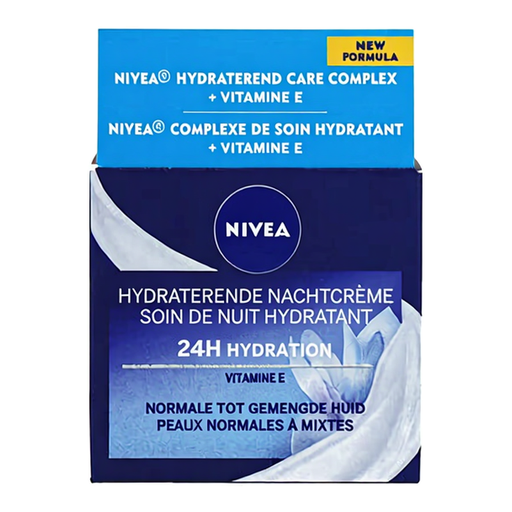
Why this product suits the profile: The cream is designed for daily night-time use on the face, neck and décolleté, and contains glycerin, shea butter and panthenol, among other ingredients.
Its straightforward focus on hydration makes it easier to get started without combining several active-ingredient claims at once.
50 ml jar, evening application and a formula containing glycerin, shea butter and panthenol.
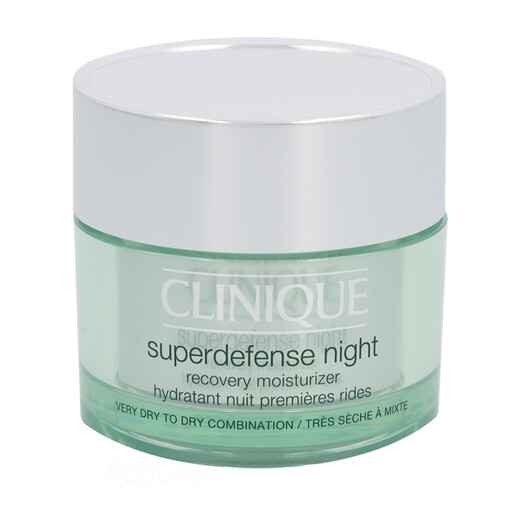
Why this product suits the profile: According to the product information, the fragrance-free formula is designed for very dry to dry skin and contains glycerin, jojoba esters, Sodium Hyaluronate and vitamin E derivatives, among other ingredients.
The “fragrance-free” label removes a common trigger for sensitivities, but does not replace checking the full INCI list for individual compatibility.
Fragrance-free formula, rich texture and ingredients that support hydration and skin care.
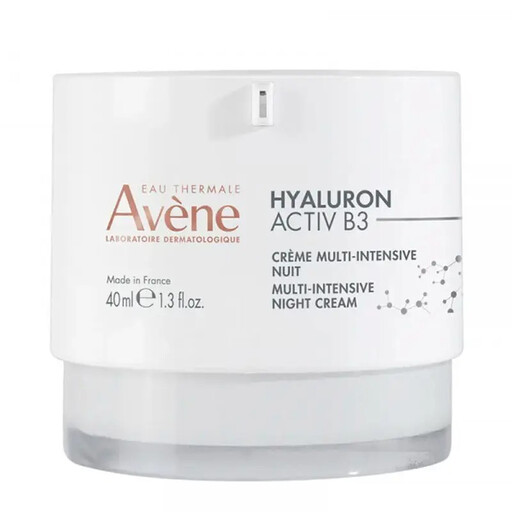
Why this product suits the profile: The combination of hyaluronic acid and niacinamide appeals to users looking for targeted hydration for the face and neck.
The advertised active ingredients are clearly named in the product information and ingredients list, rather than being promoted merely with a general “Repair” claim.
Hyaluronic acid and niacinamide, evening application and suitability for all skin types, including sensitive skin, according to the product description.
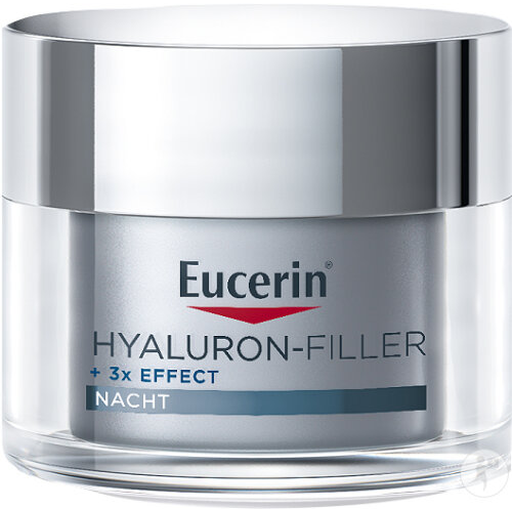
Why this product suits the profile: According to the product description, the formula combines hyaluronic acid, saponin, enoxolone and dexpanthenol for night care aimed at more mature skin.
The active-ingredient focus is clearly stated. Nevertheless, check for fragrances and assess your personal skin compatibility before using it regularly.
50 ml contents, hyaluronic acid, dexpanthenol and use on the face, neck and décolleté.
For dry skin, consider formulas containing glycerin, hyaluronic acid, panthenol, shea butter, squalane or ceramides. A rich texture can feel pleasant, but should not automatically be considered better. What matters is whether the cream leaves your skin feeling comfortable and whether you use it regularly.
Many products are designed for daily evening use. With formulas containing retinol, fragrances or several active ingredients, starting gradually may be advisable. Follow the packaging instructions and reduce the frequency if irritation occurs.
The stated best-before date and the PAO symbol are the key indicators, for example “12M” means twelve months after opening. A changed smell, unusual consistency or change in colour are reasons to stop using the product. Jars should be closed securely after every use.