
Lieferung heute & morgen

Qualitätsgarantie

Willkommens-Angebote freischalten: KOSTENLOSE Lieferung | Bis zu 80 % RABATT | Kostenlose 30-Tage-JoyPlus-Testphase
App herunterladen
A night light in the nursery is meant to provide a sense of security, take away the fear of the dark, and make nighttime trips safer. But the selection is vast, and not every product delivers on its promise. Many parents quickly find that the light they bought is too bright, incurs high running costs, or has functional defects. This guide will help you identify the crucial features and make an informed choice.
As a Joybuy Product Recommendation Officer, I analyse product features daily and filter out the information that is truly relevant for a good purchasing decision. Here are the most common pitfalls and how to avoid them.
To avoid a bad purchase, you should check three core aspects before making a decision. These determine whether a night light will fulfil its purpose in everyday life.
Light quality is the most important factor. Pay attention to these two parameters:
The type of power source affects where and how you can use the light.
Modern night lights often offer more than just light. These functions can make daily life easier:
Here are some recommendations tailored to different needs and use cases.
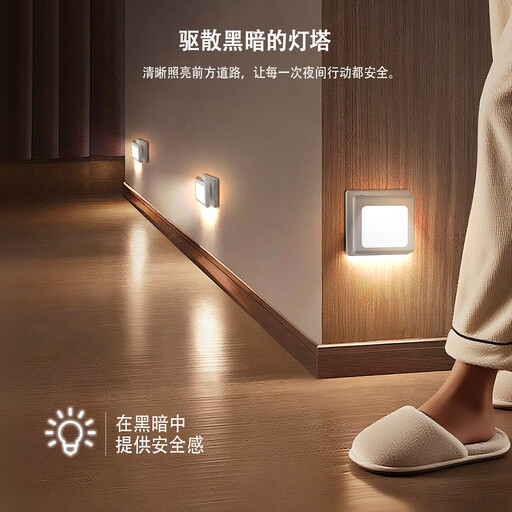
Why This Fits Their Persona: Ideal for parents looking for a reliable, maintenance-free solution for hallways and the nursery. A true "set it and forget it" device—the light manages itself.
The dusk-to-dawn sensor prevents unnecessary daytime operation, reducing electricity costs. The fully adjustable brightness avoids the "too bright" trap.
Automatic operation via sensors; highly energy-efficient LED technology; individually customisable brightness.
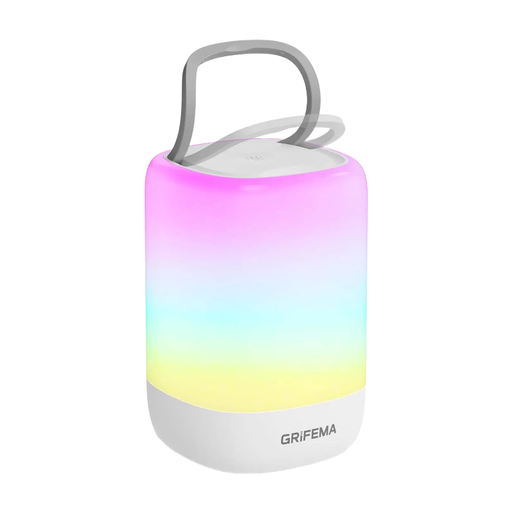
Why This Fits Their Persona: Perfect for parents who need a portable light for nursing, travel, or as a companion for their child. The integrated battery makes it independent of wall outlets.
The rechargeable battery eliminates the running costs of disposable batteries. The stepless dimming function and timer solve the problems of overly bright light and unnecessary continuous operation.
Portable thanks to its battery; intuitive touch controls; timer function and RGB colour change for different moods.
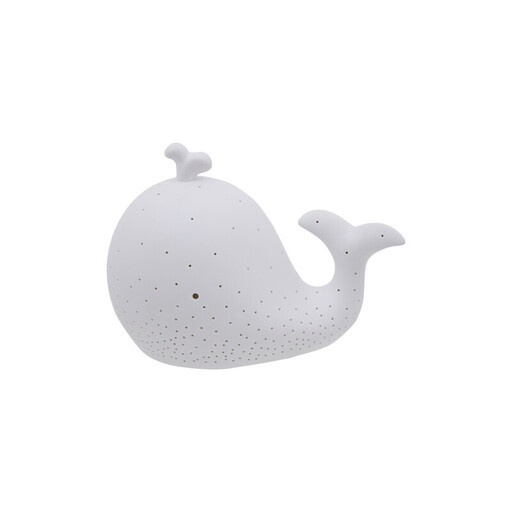
Why This Fits Their Persona: For parents who see the night light as an integral part of the room's design. This ceramic model is a decorative object that creates soft, indirect lighting.
The high-quality porcelain is durable and safe. Its perforated surface diffuses the light gently, preventing direct glare and counteracting the "too bright" trap.
High-quality material (porcelain); unique design that doubles as a decorative element; creates an especially soft and atmospheric ambiance.
We have compiled a complete, up-to-date list of products that fully meet these strict selection criteria and German safety regulations.
A warm white light colour (below 3000 Kelvin) is the right choice. This reddish-yellow light interferes least with the production of the sleep hormone melatonin and promotes a calm sleeping environment. Blue light components should be avoided.
A night light for a baby or toddler should only be bright enough for you to see the outlines of the child and the furniture in the room. It should by no means be bright enough to read by. Models that are dimmable have the advantage of allowing you to adjust the brightness precisely to your needs.
A night light with a motion sensor is a great solution, especially for hallways, stairwells, or the bathroom. It provides orientation when the child gets up at night. In the nursery itself, a constantly on, very dim sleep light can be more soothing for babies, as it doesn't disturb their sleep by suddenly turning on and off.