
Lieferung heute & morgen

Qualitätsgarantie

Willkommens-Angebote freischalten: KOSTENLOSE Lieferung | Bis zu 80 % RABATT | Kostenlose 30-Tage-JoyPlus-Testphase
App herunterladen
A night light should help you find your way without unnecessarily disturbing your sleep. When shopping, many people first look at the colour, shape or extra features. But problems often only become apparent in everyday use: the light is too bright, the battery needs constant recharging or the sensor doesn’t respond reliably to movement.
This guide explains which details really matter when choosing a night light, and which types of product suit different needs.
High brightness can look appealing in product photos, but may be disruptive in a bedroom or child’s room. For getting up at night, feeding a baby or making a quick trip along the hallway, a low light setting is usually enough. A dimmable night light or one with stepless dimming lets you set the brightness more precisely than a device with just “bright” and “off”.
Light colour matters too: warm white, around 2,800 to 3,000 Kelvin, is often chosen for subtle room lighting. Neutral white or colour-changing light, on the other hand, can work well for decorative ambient lighting.
Motion sensors, sound sensors, projection, music and app control all add to a product’s features. But they’re not automatically useful in every setting. A night light with a motion sensor is a good choice for hallways or staircases, while a sensor in a baby’s room may be triggered unnecessarily often, depending on where it’s placed.
A night light with a timer can limit how long it stays on. If you’re choosing a night light for a baby, also check whether it could be activated accidentally by touch and whether it’s approved for use with children of that age.
Most night lights contain plastic, glass, LEDs and electronic components. So be sure to check:
A decorative device such as a plasma ball isn’t the same as a traditional night light for babies. The plasma model mentioned is explicitly recommended for ages 9 and over. It should therefore not be used in a baby’s room or within reach of young children.
For bedrooms, dimming and a low minimum brightness are particularly important. Touch controls can make a light easier to use, while a timer switches it off automatically. If children will be using it, the controls should be easy to understand without encouraging them to treat the device as a toy.
An LED night light with a fixed warm-white setting is better suited to helping you find your way. Models with colour-changing lights or projection are more focused on creating atmosphere and decorative use. Check whether you can adjust the colour and brightness independently.
A light sensor switches a device on in the dark and off in daylight. According to the product information, the 2-pack described here switches on at 20 lux or below. A motion sensor, by contrast, responds to movement within its detection range. This feature is useful for plug-in models in hallways, while a stationary light in a child’s room doesn’t necessarily need a sensor.
Sound or crying sensors shouldn’t be seen as a substitute for adult supervision. They can provide an extra feature, but they don’t replace care or a safe sleep environment.
Power consumption is an objective way to compare products. A model rated at 0.3 watts will generally use less electricity than a 4-watt device over the same period. Plug-in night lights don’t need regular charging, while rechargeable night lights can be moved around the room or taken on trips.
Think about how you’ll actually use the light: a projector with music may run for much longer than a small light designed simply to help you find your way. A timer can reduce unnecessary running time, as long as you use it consistently.
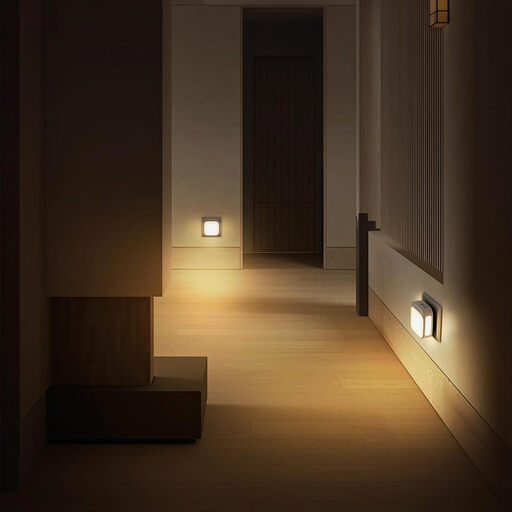
Why it suits this profile: This set includes two plug-in lights with warm-white illumination, a light sensor and stepless dimming. It’s suitable for a hallway, near a bathroom or in a child’s room if you’d rather not manage rechargeable batteries.
Brightness can be adjusted from 10 to 100 per cent. According to the product information, the light sensor switches the lights on in darkness and off in daylight, so there’s no need to switch them on and off manually.
0.3 W power consumption, a warm-white colour temperature of 2,800–3,000 K and two lights included.
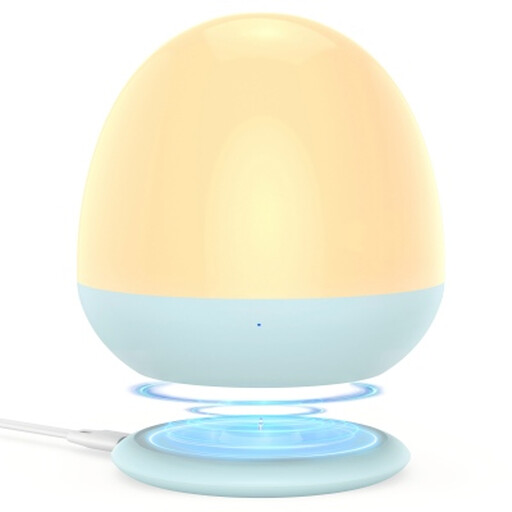
Why it suits this profile: Its rounded, egg-shaped design, touch controls and combination of USB and wireless charging make it a good fit for families looking for a night light they can move around as needed.
The timer limits how long the light stays on. According to the product information, its rounded design has no sharp edges. However, it contains electronic components and isn’t intended for children under 3.
Touch controls, a timer and charging by USB or with the sturdy charging dock.
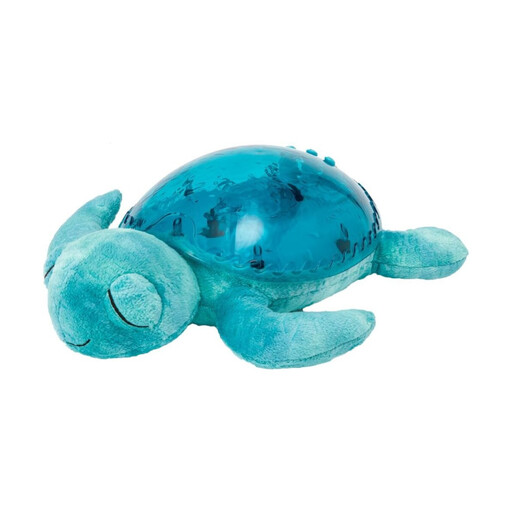
Why it suits this profile: This rechargeable night light combines projection, adjustable brightness, sounds and a sound sensor. It’s designed for families looking for more than just a light to help them find their way.
Automatic shut-off after 23 minutes limits how long it runs. You can choose which features to use, but they shouldn’t be seen as a substitute for caring for a baby.
USB-C battery, ceiling projection, four sound options, brightness control and an adjustable sound sensor.
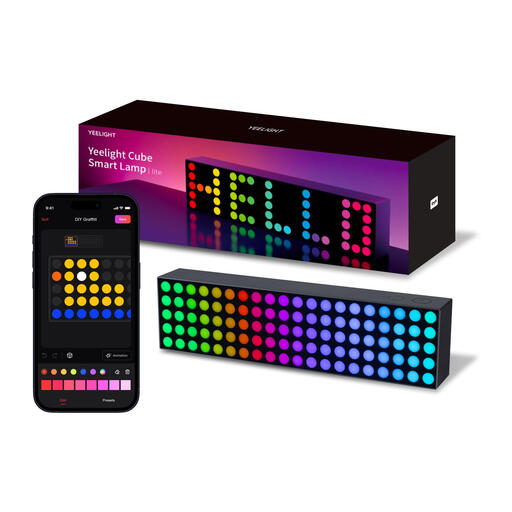
Why it suits this profile: App and voice control, together with support for Matter, Alexa, Google Home and Apple Home, make it a good choice for connected homes and decorative lighting.
The control standards and compatible platforms are clearly listed. Before buying, check that your existing smart home system is supported.
App and voice control, plus Matter compatibility for connected lighting.
We’ve put together a complete, regularly updated list of products that meet these strict selection criteria and fully comply with the safety regulations in force in the EU.
A low brightness setting is usually enough to help you find your way. Look for a model with dimming or several brightness settings. The light shouldn’t shine directly into your child’s eyes, and it’s best to position it so the light source isn’t right next to their head.
Battery life depends on the battery, brightness, projection, music and sensor use. Always check the manufacturer’s figures for the mode you plan to use. A timer can limit how long the light stays on each time it’s switched on. For rechargeable devices, also check the charge level, charging accessories and protection from moisture.
Power consumption varies by model. On paper, a 0.3-watt device uses considerably less electricity than a 4-watt one if both are used for the same length of time. Running costs also depend on how long the light is on, its standby consumption and whether it stays on continuously or only switches on when a sensor detects something.